


















Communication is the foundation of every healthy relationship. Whether it is a romantic relationship, marriage, or long-term partnership, good communication helps partners understand each other better. When communication becomes weak, misunderstandings, arguments, and emotional distance often appear.
Many couples struggle not because they do not love each other, but because they do not communicate clearly. Learning how to improve communication in a relationship can strengthen trust, deepen emotional connection, and create a healthier bond.
In this guide, you will learn simple and practical ways to build better communication with your partner.
Why Communication Is Important in a Relationship
Healthy communication allows partners to express their thoughts, feelings, and needs openly. When both people feel heard and respected, the relationship becomes stronger and more stable.
Poor communication can lead to:
- Misunderstanding
- Frequent arguments
- Emotional distance
- Lack of Trust
- Unresolved Conflicts
On the other hand, strong communication helps couples solve problems together and support each other emotionally.
Benefits of Good Communication
Good relationship communication provides many benefits:
- Builds trust and honesty
- Improves emotional intimacy
- Helps resolves conflicts peacefully
- Creates a safe place for sharing feelings
- Strengthens long-term relationships
When couples communicate effectively, they feel more connected and understood.
Common Communication Problems in Relationships
Before improving communication, it is important to understand common communication mistakes couples make.
1. Not Listening Properly
Many people listen only to respond, not to understand. This leads to frustration because one partner may feel ignored or misunderstood.
2. Avoiding Difficult Conversations
Some couples avoid serious discussions to prevent conflict. However, avoiding issues usually makes problems worse over time.
3. Using Blame or Criticism
Statements like “You never understand me” or “You always do this wrong” can make the other person defensive.
4. Poor Emotional Expression
Sometimes people struggle to express their feelings clearly. This can cause confusion and emotional distance in a relationship.
Understanding these communication problems is the first step toward building better relationship communication skills.
How to Improve Communication in a Relationship
Improving communication takes effort from both partners. The good news is that simple changes can make a big difference.
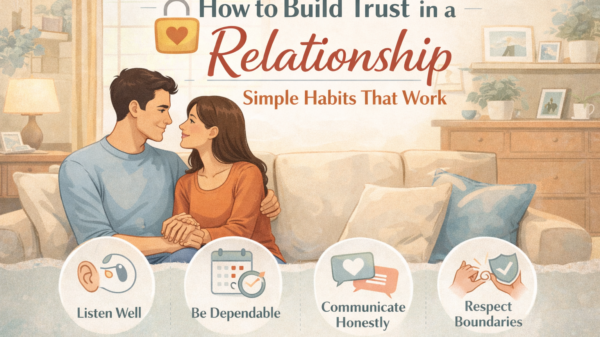
1. Practice Active Listening
Active listening means fully focusing on your partner when they are speaking.
Tips for Active Listening
- Maintain eye contact
- Do not interrupt
- Show interest through body language
- Repeat Important points to confirm understanding
For example, you can say
“I understand that you felt upset because of what happened earlier.”
This shows empathy and makes your partner feel heard.
Active listening is one of the most powerful communication skills for healthy relationships.
2. Express Your Feelings Clearly
Many communication problems happen when feelings are not expressed clearly.
Instead of blaming your partner, focus on sharing your own emotions. Use “I” Statements
“I” statements reduce blame and improve understanding.
Example:
❌ You never listen to me
✅ I feel ignored when I try to share something important
This approach creates a calmer conversation and encourages problem solving.
3. Choose the Right Time to Talk
Timing plays a big role in relationship communication.
Serious conversations should not happen when:
- One partner is tired
- Someone is stressed or angry
- You are in a public place
Instead, choose a calm moment where both partners can focus on the discussion.
Healthy communication requires patience and emotional awareness.
4. Avoid Negative Communication Patterns
Certain communication habits can damage relationships.
Examples of Negative Communication
- Shouting or raising your voice
- Interrupting your partner
- Using Sarcasm
- Bringing Up past mistakes
When these patterns become common, conversations quickly turn into arguments.
Instead, try to stay calm and respectful during discussions.
5. Show Empathy and Understanding
Empathy means trying to understand your partner’s feelings and perspective.
Even if you disagree, acknowledging their emotions can reduce tension.
For example:
“I understand why that situation made you upset.”
This simple statement shows care and emotional support. Empathy is a key part of strong relationship communication.
6. Improve Non-Verbal Communication
Communication is not only about words. Body language and tone also play a big role.
Important non-verbal signals include:
- Eye contact
- Facial expressions
- Tone of voice
- Physical gestures
For example, crossed arms or an angry tone can send negative signals even if your words are calm.
Positive body language helps create a safe and supportive conversation.
7. Solve Conflicts in a Healthy Way
Conflict is normal in every relationship. What matters is how couples handle disagreements.
Healthy conflict resolution involves:
- Staying calm during discussions
- Listening to each other point of view
- Finding a solution together
- Avoiding personal attacks
Instead of trying to win an argument, focus on solving the problem together.
This strengthens teamwork in a relationship.
8. Be Honest and Open
Honesty is essential for healthy communication. When partners hide their feelings or thoughts, emotional distance can grow.
Open communication includes:
- Sharing feelings honestly
- Discussing expectations
- Talking about concerns early
Honesty builds trust, which is the foundation of every strong relationship.
9. Spend Quality Time Together
Sometimes communication problems happen because couples spend very little quality time together. Regular time together helps partners reconnect emotionally.
Examples of quality time include:
- Going for a walk together
- Having meaningful conversations
- Sharing daily experiences
- Enjoying hobbies as a couple
These moments strengthen emotional connection and improve relationship communication.
10. Appreciate and Encourage Each Other
Positive communication is just as important as solving problems.Many couples focus only on complaints instead of appreciation.Try to regularly express gratitude to your partner.
Examples:
“Thank you for helping me today.”
“I really appreciate your support.”
Small positive words can make a relationship feel more loving and supportive.
Signs of Healthy Communication in a Relationship
Healthy couples usually show certain communication habits.
Clear and Honest Conversations
Both partners feel comfortable sharing their thoughts and emotions.
Respect During Disagreements
Arguments happen, but they remain respectful and constructive.
Emotional Support
Partners listen and support each other during difficult times.
Mutual Understanding
Both individuals feel valued, heard, and respected.
These signs show that communication in the relationship is strong and balanced.
Simple Daily Habits to Improve Communication
Improving communication does not require big changes. Small daily habits can make a big difference.
Helpful habits include:
- Asking your partner about their day
- Listening without distractions
- Expressing appreciation
- Being patient during conversations
- Avoiding unnecessary criticism
Over time, these small actions build stronger communication patterns.
When to Seek Professional Help
Sometimes communication problems become too difficult for couples to solve alone.
In such cases, relationship counseling or couples therapy can be helpful.
A professional therapist can help partners:
- Understand communication patterns
- Improve listening skills
- Resolve long-term conflicts
- Rebuild emotional connection
Seeking help is not a sign of failure. It is a step toward building a healthier relationship.
Conclusion
Communication is the heart of every successful relationship. Without open and honest communication, even strong relationships can face difficulties.
Learning how to improve communication in a relationship requires patience, understanding, and consistent effort from both partners.By practicing active listening, expressing feelings clearly, showing empathy, and spending quality time together, couples can build stronger emotional connections.
Healthy communication does not mean avoiding disagreements. Instead, it means discussing problems respectfully and working together to find solutions.
When partners communicate with honesty, respect, and understanding, their relationship becomes stronger, happier, and more fulfilling.
Frequently Asked Questions (FAQs)
Couples can improve communication by practicing active listening, speaking calmly, expressing feelings honestly, and avoiding blame during conversations.
Common problems include poor listening, criticism, avoiding serious discussions, and misunderstanding emotions.
Communication builds trust, emotional intimacy, and understanding between partners. It also helps resolve conflicts and strengthen the relationship.
Use calm language, express your feelings using “I” statements, and focus on solving the issue instead of blaming your partner.