


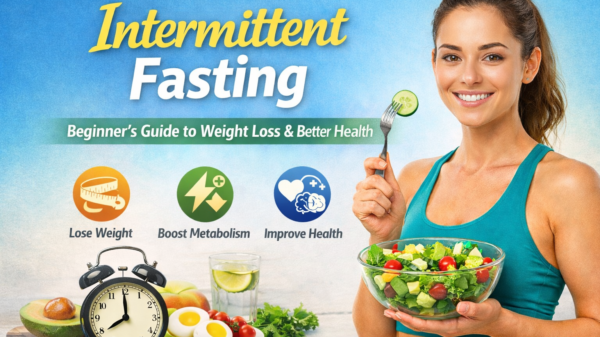















Intermittent fasting has become one of the most popular health trends in recent years. Many people follow this eating pattern to lose weight, improve metabolism, and boost overall health. Unlike traditional diets, intermittent fasting does not focus on what you eat. Instead, it focuses on when you eat.
In simple words, intermittent fasting means cycling between periods of eating and fasting. During the fasting window, you avoid calories and allow your body to rest and burn stored fat for energy.
Many health experts believe that intermittent fasting can help improve digestion, balance hormones, and support long-term health. The best part is that it is simple, flexible, and easy to follow for beginners.
In this guide, we will explain what intermittent fasting is, how it works, its benefits, and how beginners can start safely.
What is Intermittent Fasting?
Intermittent fasting (IF) is an eating pattern where you alternate between eating and fasting periods. Instead of eating throughout the day, you follow a fixed schedule.
For example, you might eat during an 8-hour window and fast for the remaining 16 hours. This is one of the most common methods called the 16:8 method.
During the fasting period, your body does not receive new calories. As a result, it starts using stored fat as energy, which can help with weight loss.
Key Features of Intermittent Fasting
- Focuses on timing of meals
- Helps the body burn stored fat
- Improves metabolism
- Supports healthy weight management
Unlike strict diets, intermittent fasting does not require counting calories all the time. However, eating healthy foods during the eating window is still important.
How Intermittent Fasting Works
When you eat food, your body uses glucose as its main source of energy. Any extra energy is stored as glycogen or fat.
During fasting, insulin levels drop and the body starts using stored fat for fuel. This process is known as metabolic switching.
What Happens in the Body During Fasting
Lower Insulin Levels
Insulin levels decrease during fasting. Lower insulin makes it easier for the body to burn fat.
Fat Burning Increases
When glucose levels drop, the body turns to stored fat for energy.
Cellular Repair Begins
Fasting may activate cell repair processes, which help the body remove damaged cells.
Hormone Changes
Certain hormones that support fat loss and muscle maintenance may increase.
These changes explain why many people see weight loss and better metabolic health with intermittent fasting.
Popular Intermittent Fasting Methods
There are several ways to practice intermittent fasting. Beginners should start with the simplest and most comfortable method.
The 16:8 Method
This is the most popular intermittent fasting method.
You fast for 16 hours and eat during an 8-hour window.
Example schedule:
Eating window: 12 PM – 8 PM
Fasting window: 8 PM – 12 PM next day
During fasting, you can drink:
- Water
- Black coffee
- Green tea
- Herbal tea
This method is easy because a large part of the fasting period happens during sleep.
The 12:12 Method
This method is ideal for beginners.
You fast for 12 hours and eat during the other 12 hours.
Example:
Eat between 8 AM – 8 PM
Fast between 8 PM – 8 AM
It allows the body to slowly adapt to fasting.
The 5:2 Method
In this approach:
You eat normally for 5 days
On 2 days, you reduce calorie intake to around 500–600 calories
These two low-calorie days should not be consecutive.
Benefits of Intermittent Fasting
Intermittent fasting offers several health benefits when practiced correctly.
Supports Weight Loss
One of the biggest reasons people try intermittent fasting is weight loss.
Fasting helps reduce calorie intake and encourages the body to burn stored fat.
Many people find it easier than traditional dieting because it reduces frequent snacking.
Improves Metabolism
Intermittent fasting may help improve metabolic health.
It can support:
- Better blood sugar control
- Improved insulin sensitivity
- Reduced risk of metabolic disorders
Helps Control Blood Sugar
By lowering insulin levels, intermittent fasting may help maintain stable blood sugar levels.
This can reduce sudden energy crashes and sugar cravings.
Supports Brain Health
Some research suggests fasting may support brain function and mental clarity.
It may help the body produce proteins that support brain cell health.
Encourages Healthy Eating Habits
Intermittent fasting often helps people:
- Reduce late-night eating
- Avoid unnecessary snacks
- Become more mindful about meals
Over time, these habits can lead to better lifestyle choices.
Best Foods to Eat During Intermittent Fasting
While fasting focuses on meal timing, food quality still matters.
Choosing healthy foods can improve results and maintain energy levels.
Healthy Foods to Include
Protein-Rich Foods
Protein helps maintain muscle and keeps you full.
Examples:
- Eggs
- Chicken
- Fish
- Lentils
- Yogurt
Healthy Fats
Healthy fats support energy during fasting.
Examples:
- Avocado
- Nuts
- Olive oil
- Seeds
High-Fiber Foods
Fiber supports digestion and fullness.
Examples:
- Vegetables
- Fruits
- Whole grains
- Beans
Hydrating Drinks
Staying hydrated is important.
Good options include:
- Water
- Lemon water
- Green tea
- Herbal tea
Avoid sugary drinks during fasting because they break the fast.
Tips for Beginners Starting Intermittent Fasting
If you are new to intermittent fasting, start slowly and listen to your body.
Start With a Short Fasting Window
Begin with a 12-hour fast and increase gradually.
This helps your body adjust comfortably.
Stay Hydrated
Drink plenty of water throughout the day.
Hydration can help reduce hunger during fasting hours.
Eat Balanced Meals
Your meals should include:
- Protein
- Healthy fats
- Fiber
- Vitamins
Balanced meals help maintain energy.
Avoid Overeating
Some beginners eat too much during the eating window.
Try to eat normal portion sizes and avoid excessive junk food.
Get Enough Sleep
Sleep plays an important role in weight management and metabolism.
Aim for 7–8 hours of quality sleep each night.
Possible Side Effects of Intermittent Fasting
Most people adapt to intermittent fasting within a few days. However, some beginners may experience mild side effects.
Common temporary effects include:
- Hunger
- Headaches
- Fatigue
- Irritability
These symptoms usually improve as the body adapts.
If symptoms continue, it may help to adjust the fasting schedule.
Who Should Avoid Intermittent Fasting
Intermittent fasting is not suitable for everyone.
People who should consult a healthcare professional include:
- Pregnant or breastfeeding women
- People with diabetes
- Individuals with a history of eating disorders
- People taking medications that require food
Always choose a plan that supports your personal health needs.
Conclusion
Intermittent fasting is a simple and effective eating pattern that may support weight loss, improve metabolism, and promote better overall health.
By focusing on meal timing rather than strict dieting, many people find it easier to maintain long-term.
Beginners should start with a gentle approach, such as the 12:12 or 16:8 method, and focus on eating balanced, nutritious meals.
When combined with healthy lifestyle habits, regular activity, and proper sleep, intermittent fasting can become a powerful tool for better health and wellness.
Frequently Asked Questions (FAQs)
Yes, intermittent fasting is generally safe for healthy adults when practiced properly. Starting with shorter fasting periods can make the transition easier.
Yes. Black coffee without sugar or milk is usually allowed during fasting periods.
Some people notice changes within 2–4 weeks, especially when combined with healthy eating and physical activity.
Intermittent fasting may help reduce overall body fat, including belly fat, when combined with a balanced diet and active lifestyle.