




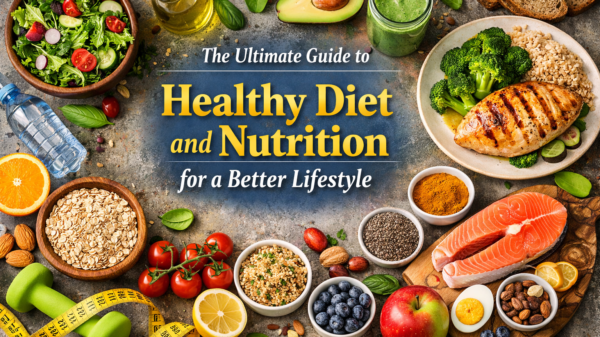














In today’s fast-paced world, maintaining a healthy diet has become more important than ever. With increasing stress levels, busy schedules, and easy access to processed foods, many people struggle to make the right nutritional choices. However, adopting a balanced diet is not just about losing weight—it’s about improving your overall lifestyle, boosting energy, and preventing diseases.
This ultimate guide will walk you through everything you need to know about healthy diet and nutrition, helping you build sustainable habits for a better and healthier life.
What is a Healthy Diet?
A healthy diet refers to consuming a variety of foods that provide essential nutrients your body needs to function properly. These nutrients include:
- Proteins
- Carbohydrates
- Healthy fats
- Vitamins
- Minerals
- Fibre
A balanced intake of these nutrients ensures your body stays energized, your immune system remains strong, and your mental health stays stable.
Why is Nutrition Important for a Better Lifestyle?
1. Boosts Energy Levels
Eating nutrient-rich foods fuels your body, keeping you active and productive throughout the day.
2. Supports Mental Health
A well-balanced diet helps regulate mood and reduces anxiety and depression.
3. Strengthens the Immune System
Proper nutrition helps your body fight infections and illnesses more effectively.
4. Promotes Healthy Weight Management
Eating the right foods in proper portions prevents obesity and related diseases.
5. Improves Longevity
A healthy lifestyle significantly reduces the risk of chronic diseases such as diabetes, heart disease, and hypertension.
Essential Components of a Healthy Diet
1. Proteins: The Building Blocks of Life
Proteins are crucial for muscle repair and growth.
Best Sources:
- Eggs
- Chicken
- Fish
- Lentils
- Beans
2. Carbohydrates: Your Main Energy Source
Carbohydrates provide the energy your body needs to function.
Healthy Options:
- Whole grains (brown rice, oats)
- Fruits
- Vegetables
3. Healthy Fats: Not All Fats Are Bad
Healthy fats support brain function and hormone balance.
Sources Include:
- Nuts
- Seeds
- Olive oil
- Avocados
4. Vitamins and Minerals
These micronutrients are essential for overall body functions.
Examples:
- Vitamin C (oranges, lemons)
- Calcium (milk, yogurt)
- Iron (spinach, red meat)
5. Fibre: For Better Digestion
Fibre helps in digestion and prevents constipation.
Sources:
- Whole grains
- Vegetables
- Fruits
How to Build a Balanced Meal Plan
The Ideal Plate Method
Divide your plate into:
- 50% Vegetables and Fruits
- 25% Protein
- 25% Whole Grains
This method ensures you get all essential nutrients in one meal.
Sample Daily Meal Plan
Breakfast
- Boiled eggs
- Whole wheat toast
- A glass of milk or tea
Lunch
- Grilled chicken or daal
- Brown rice or chapati
- Salad
Dinner
- Light meal (vegetables + protein)
- Yogurt
Snacks
- Fruits
- Nuts
- Smoothies
Healthy Eating Tips for Everyday Life
1. Stay Hydrated
Drink at least 6–8 glasses of water daily.
2. Avoid Processed Foods
Limit junk food, sugary drinks, and packaged snacks.
3. Practice Portion Control
Eating too much—even healthy food—can lead to weight gain.
4. Eat Mindfully
Avoid distractions while eating. Focus on your food.
5. Maintain a Routine
Eat meals at consistent times every day.
Common Diet Mistakes to Avoid
Skipping Meals
This slows down metabolism and leads to overeating later.
Following Crash Diets
Quick weight loss diets are not sustainable and can harm your health.
Ignoring Nutritional Balance
Focusing only on calories instead of nutrients is a major mistake.
Overeating Healthy Foods
Even healthy foods should be consumed in moderation.
The Role of Exercise Along with Nutrition
A healthy diet works best when combined with regular physical activity.
Benefits of Exercise:
- Improves metabolism
- Enhances mood
- Supports weight management
Tip: Aim for at least 30 minutes of exercise daily such as walking, yoga, or light workouts.
Healthy Diet for Different Lifestyles
For Busy Individuals
- Meal prep in advance
- Choose quick, healthy snacks
- Avoid fast food
For Students
- Focus on brain-boosting foods (nuts, fruits)
- Stay hydrated
- Avoid excessive caffeine
For Homemakers
- Maintain a balanced family meal plan
- Include seasonal fruits and vegetables
How to Stay Consistent with Healthy Eating
Set Realistic Goals
Start small instead of making drastic changes.
Track Your Progress
Keep a food diary or use apps to monitor your diet.
Stay Motivated
Remember your “why” behind choosing a healthy lifestyle.
Allow Occasional Treats
Balance is key—don’t completely restrict your favorite foods.
Conclusion
A healthy diet and proper nutrition are the foundation of a better lifestyle. By making mindful food choices, maintaining balance, and staying consistent, you can significantly improve your physical and mental well-being.
Remember, healthy eating is not a short-term goal, it’s a lifelong commitment. Start today, make small changes, and enjoy the long-term benefits of a healthier, happier life.
Frequently Asked Questions (FAQs)
The best diet is a balanced one that includes proteins, healthy fats, carbohydrates, vitamins, and minerals in the right proportions.
You should aim for at least 6–8 glasses of water per day, depending on your activity level.
Yes, but combining a healthy diet with regular exercise gives faster and more sustainable results.
No, carbohydrates are essential for energy. The key is to choose complex carbs like whole grains instead of refined ones.
Eat balanced meals, stay hydrated, and avoid skipping meals to reduce cravings.
Yes, as long as they are healthy options like fruits, nuts, or yogurt.
You may start noticing changes in energy levels within a few days, while physical changes may take a few weeks.