












The gym advice you’ve been following for years? Most of it is fiction.
You know, there’s so much fitness information out there, on social media, from friends, and via the Internet. Unfortunately, not everything of this kind of advice is correct. Some fitness beliefs become reenacted over time and become accepted as fact. The misconceptions can hinder progress, cause frustration, and discourage exercise altogether. When you know what isn’t, you can make a better, more lasting fitness program.
Let’s explore some of the most popular fitness myths and how it really works. Knowing some of the most popular fitness myths can help you create a more effective and smarter fitness program.
Why Fitness Myths are So Common
There are fitness myths that typically spread around because they are easy to believe. The phrase “no pain, no gain” or “cardio burns fat fastest” might seem like a fact, but it is not. Truth is, goal-oriented fitness is all about balance, consistency, and an understanding of how the body works.
Myth 1: Cardio Is the Best Way to Lose Weight
Running, cycling, or brisk walking is great for heart health and calories burned. But relying strictly on cardio is not the best way to lose weight. Strength training is important since it can help create muscle mass. Your body burns more calories at rest with muscle tissue than with fat tissue. In general, a balanced workout routine that includes both cardio and strength training will provide greater long-term benefits. If you’re just getting started, a healthy workout routine can help you find the right balance from day one.
Myth 2: “No Pain, No Gain”
Most of the people feel workout is only effective if they feel sore after doing it. Muscle soreness is normal as a result of exercising the body, but it doesn’t necessarily mean it was more effective. Actually, if the pain is severe, it is a warning sign of something amiss. Rest is important following exercise so that your body can adapt and recover. Improvements in fitness are usually achieved by gradually increasing the intensity of exercise rather than to the point of pain.
Myth 3: You Can Burn Fat in a Specific Area
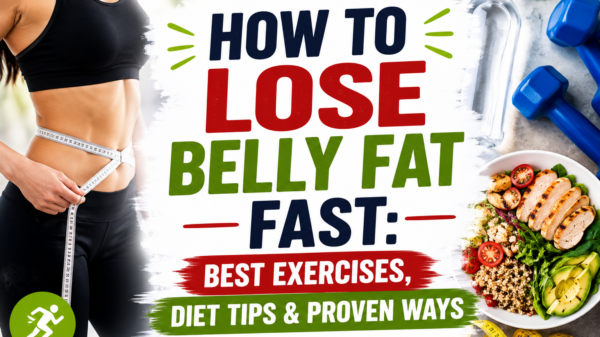
One of the fitness myths that most people have is that fat can be shed from a single area. People believe that they’re burning fat in a specific area by targeting a particular body part with exercises. So, while hundreds of crunches might help build abdominal muscles, they won’t directly help to burn belly fat. Fat loss is not targeted to any specific body parts and is influenced by physical activity, food intake, genetic predisposition, and daily habits. Emphasis should be on comprehensive exercise and a healthy diet.
Myth 4: Weight Training Will Make You Too Bulky
Some people don’t do strength training because they fear bulking up. The fact is that it will take a great deal of work, a great deal of calories, and a great deal of time to build big muscles. People who do strength training just get stronger, leaner, and toned. Strength training also benefits bone health, posture, and regular exercise.
Myth 5: You Have to Exercise Daily
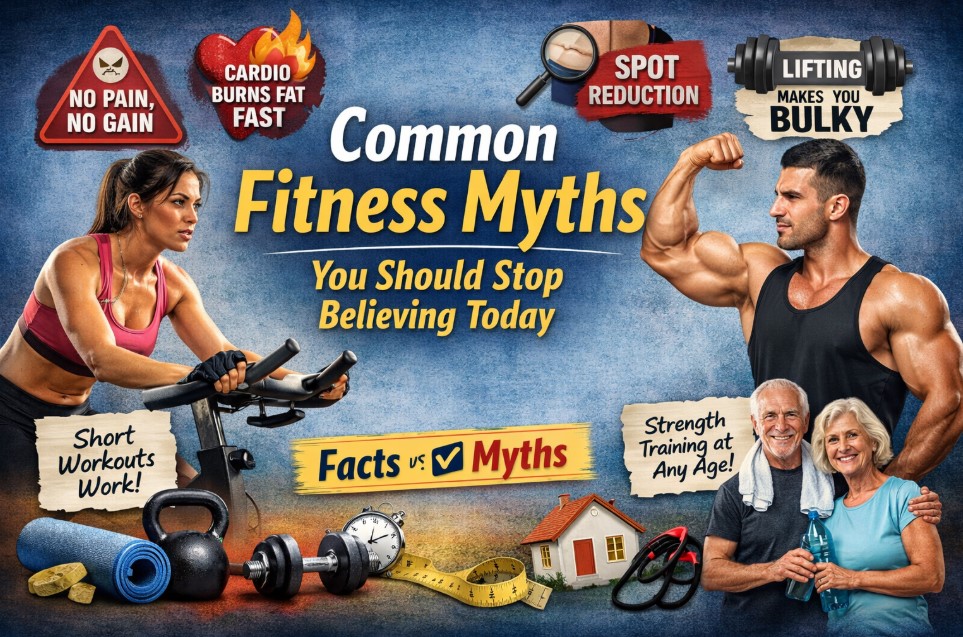
Understanding common fitness myths can help you build a smarter, more effective workout routine.
Consistency is key, but it’s OK to miss days. Rest periods are for muscle repair and strengthening. If you don’t get enough recovery, you might get tired, have poorer performance, or even get hurt. Three to 5 exercise sessions a week are adequate for many adults to develop strength, increase endurance, and maintain fitness. In fact, knowing what happens when you stop exercising makes it clear why rest and consistency together, not daily grind, are the real key.
Myth 6: Workouts Must Be Extremely Lengthy
It is not only about long workouts to achieve results. If conducted with intensity, short and well-focused sessions can be very effective. A brisk 15–20 minute exercise session can boost strength and cardiovascular health even if it incorporates compound movements like squats, lunges, and push-ups. The trick is to be consistent and to work hard, not to work longer.
Myth 7: You Must Have a Gym to Stay Fit
There are fitness centers that offer the equipment, but fitness can also occur outside of them. Activities such as bodyweight exercises, resistance bands, walking outdoors, or exercises at home can keep you moving. The key is finding a movement that is a good fit for your routine and that you can continue to maintain. According to Mayo Clinic, even moderate daily movement delivers real, measurable health benefits over time.
Myth 8: Older Adults Should Not Do Strength Training
Strength training is indeed essential for ageing people. As people age, their bodies naturally lose muscle and bone tissue. Regular exercise helps to maintain mobility, improve balance, and help prevent injuries or falls. It’s not about the amount of weight you lift; it’s about pushing muscles hard and safely, while making gradual progress.
Myth 9: It Is Always Okay to Do the Same Workout
A long period of the same workout program may result in a plateauing of fitness. As your body gets used to certain exercises, they become easier. Variety sparks engagement of other muscle groups and makes exercises fun. Adding just a little more or less intensity, or experimenting with new movements or equipment, can make a world of difference.
A Basic Weekly Fitness Plan
There’s no need to have a complicated fitness program to obtain a balanced workout. Strength training and cardio can be done together during the week for most healthy adults.
Strength Training
2–3 sessions per week dedicated to full body exercises like squats, push, pull, and hip hinge.
Cardio Exercise
Moderate intensity cardio activity (e.g., brisk walking or cycling) for 150 minutes per week or shorter sessions of high-intensity cardio activity.
Recovery
One or more complete rest days per week and light stretching or gentle activity to aid recovery. The aim is to exercise regularly but allow the body sufficient recovery and adaptation time.
Conclusion
Fitness myths can be confusing and set unrealistic expectations. The fact is, it takes balance, patience, and habits that can be sustained over time to get fit. Don’t seek out quick fixes or extreme workouts, but rather use strength training, a modicum of cardiovascular activity, adequate rest, and small healthy lifestyle changes. Something as simple as daily walking can be a powerful starting point for building a healthier lifestyle. If you practice a well-balanced routine, progress will be more natural, and keeping active will be easier to sustain.







Pingback: The Role of Gratitude in Mental Well-Being - Healthy Life Set