








What are the best foods to eat after oral surgery?
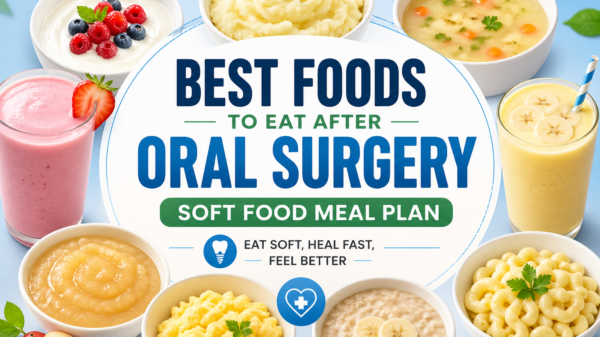
The best foods to eat after oral surgery include soft options like yogurt, mashed potatoes, soup, scrambled eggs, and smoothies. These foods are easy to chew, reduce pain, and help speed up healing.
Oral surgery can be a challenging time. It could be a tooth extraction, wisdom tooth extraction, dental implant, or some other type of surgery; the recovery can be painful. It can be difficult to eat, and even eating regular food can be a struggle. Following a soft food meal plan after oral surgery can ease discomfort, keep the extraction site safe, and provide your body with essential nutrients for quicker healing.
We often get asked about what you can eat after a tooth extraction or what’s okay to eat after surgery. The answer is soft, gentle, and nutritious foods. But equally important is what not to eat, as some foods may irritate or slow healing.
Here we’ll explain the Best Foods to Eat After Oral Surgery , what to avoid, and an uncomplicated post-oral surgery diet to ensure a smooth recovery.
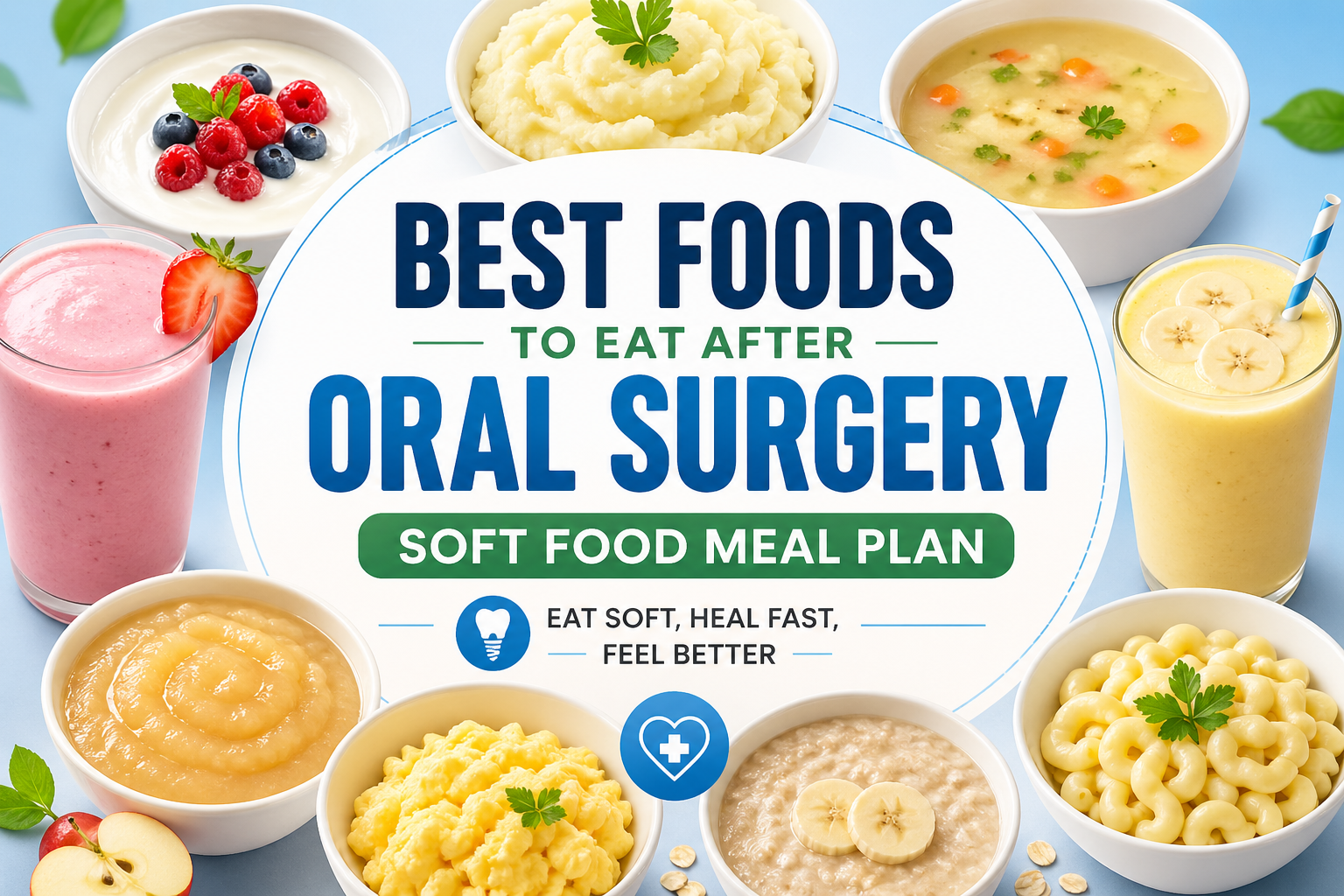
Gentle and nutritious soft foods that help recovery after dental surgery
Why You Need to Eat Soft Foods After Oral Surgery
Your mouth will need to recover after oral surgery. Your gums, tissues, and possibly the jawbone can be sore. Crunchy, hot, spicy, and tough foods can disrupt the healing process and make discomfort worse.
Soft Best Foods to Eat After Oral Surgery are recommended because they:
- Reduce pressure on the surgical area.
- Prevent irritation and bleeding
- Lower the risk of infection.
- Reduce pain and discomfort when chewing.
Aid in recovery by providing nutrition In the first few days, it’s all about comfort and recovery.
Best Foods After Dental Surgery
What you eat is important. These are some of the Best Foods to Eat After Oral Surgery.
1. Yogurt
Yogurt is cold and creamy. And it has protein and probiotics that could help you get better. Opt for unsweetened yogurt to avoid irritation.
2. Mashed Potatoes
Mashed potatoes are satisfying, creamy, and effortless to eat. They are nutritious and simple to cook. But make sure they aren’t too hot.
3. Soup (No Large Pieces)
Chicken soup, vegetable soup, or broth is a good choice. They will help you stay hydrated and give you nutrition. Don’t eat hot soups and soups with large pieces that are difficult to chew.
4. Scrambled Eggs
Eggs are a wonderful source of protein that aids in tissue repair. Scrambled eggs are easy to eat with a soft texture. They are also a wonderful breakfast option after surgery.
5. Oatmeal
Oatmeal can be delicious and healthy. It provides fiber and calories but is simple to chew. But be certain it is mushy and cold.
6. Smoothies
You can also have fruit smoothies for vitamins. You can make a healthy smoothie with bananas, berries, yogurt, and milk. Avoid a straw, as sucking can dislodge blood clots from extraction sites.
7. Applesauce
Applesauce is smooth, sweet, and gentle on your mouth. It’s particularly beneficial when your mouth is too sore to eat solid food.
8. Soft Pasta
Cooked pasta can be soothing after oral surgery. Use simple sauces without spices.
Foods to Avoid After Oral Surgery
It’s important to know both what to eat and what not to eat. The following are foods to avoid after oral surgery:
- Chips and crackers
- Nuts and seeds
- Popcorn Spicy foods
- Very hot foods and drinks
- Sticky foods like caramel
- Hard bread or toast Carbonated drinks
- Alcohol
- Small pieces of food (such as rice) in the early days
These foods can get stuck in the surgery site, be painful, or delay healing.
Simple Meal Plan for After Oral Surgery
This guide is an uncomplicated meal plan of soft foods for the first few days.
Day 1 Meal Plan
Breakfast: Yogurt and mashed banana
Lunch: Hot vegetable soup and mashed potato
Snack: Applesauce
Dinner: Scrambled eggs and mashed potatoes
Day 2 Meal Plan
Breakfast: Soft fruit puree, oatmeal
Lunch: Chicken broth soup with soft pasta
Snack: Greek yogurt
Dinner: Soft scrambled eggs and sweet potatoes
Day 3 Meal Plan
Breakfast: Frozen banana, yogurt and milk smoothie
Lunch: Soup and noodles
Snack: Pudding or applesauce
Dinner: Rice pudding or mashed vegetables
Post-Wisdom Tooth Removal Diet
The extraction of a wisdom tooth can be a bit more complicated, as the wound can be more severe. After wisdom tooth removal, you should follow a diet that includes
- Staying hydrated
- Eating protein-rich foods
- Avoid chewing on the side of the surgery
- Sticking to soft foods
- Avoiding straws completely
Even if you feel much better, stick to soft foods for several days.
Extra Tips for Faster Healing
It’s not just what you eat; it’s what you do.
Drink Plenty of Water
Water helps your body heal and keeps your mouth clean.
Avoid Smoking
Dentist advice is not to smoke following the extraction of a tooth.
Follow Your Dentist’s Advice
Follow any instructions from your dentist, particularly if it was a complicated procedure. Eat slowly and in small bites.
Final Thoughts
After oral surgery, you don’t have to live on bland food. Eating the right soft foods after oral surgery can help the recovery process be more comfortable.
Soft foods such as yogurt, mashed potatoes, soups, and smoothies can be nourishing and comforting foods while you recover. But as important as the soft foods are, it is also important to avoid spicy, crunchy, and hard foods to prevent discomfort and irritation at the surgical site.
So, if you have recently asked yourself what to eat after tooth extraction or were wondering what the best foods after dental surgery are, the answer lies in softness, nutrition, and patience. Recovery does take time, but with a post-oral surgery diet, you can recover quickly and easily.
Frequently Asked Questions (FAQs)
1. What can I eat immediately after oral surgery?
Right after oral surgery, you should eat soft and cold foods like yogurt, applesauce, smoothies (without a straw), and mashed bananas. These foods are gentle on the mouth and help reduce pain and swelling.
2. How long should I eat soft foods after oral surgery?
Most people should follow a soft food diet for at least 3 to 7 days after oral surgery. However, recovery time may vary depending on the procedure and your dentist’s advice.
3. Can I eat rice after tooth extraction?
It’s best to avoid rice in the first few days after tooth extraction because small grains can get stuck in the surgical area and cause irritation or infection. You can reintroduce it once healing improves.
4. Are smoothies safe after oral surgery?
Yes, smoothies are a great option after oral surgery as they provide nutrients and are easy to consume. However, avoid using a straw, as suction can dislodge the blood clot and cause dry socket.
5. What foods should I avoid after oral surgery?
You should avoid hard, crunchy, spicy, and hot foods such as chips, nuts, popcorn, and hot drinks. These can irritate the surgical site and delay healing.