















Relationships can be one of the most beautiful parts of life. They bring love, support, and companionship. However, even the strongest couples sometimes face challenges. Many relationships struggle not because love is missing, but because of common relationship mistakes that slowly damage trust, communication, and emotional connection.
Understanding these mistakes and learning how to avoid them can help couples build a stronger, healthier, and long-lasting relationship. In this guide, we will explore the most common relationship mistakes couples make and provide simple, practical ways to avoid them.
Why Understanding Relationship Mistakes Is Important
Every relationship has ups and downs. Disagreements, misunderstandings, and emotional distance can happen to any couple. The key difference between strong and weak relationships is how couples handle these issues.
When couples ignore problems or repeat unhealthy patterns, the relationship may slowly become stressful and unhappy. But when partners recognize their mistakes and work together to improve, the relationship becomes stronger.
Learning about relationship mistakes couples make helps partners:
- Improve communication
- Build deeper trust
- Reduce unnecessary conflicts
- Strengthen emotional connection
- Create a healthier relationship
1. Poor Communication
One of the most common relationship mistakes is poor communication. Many couples stop sharing their thoughts, feelings, or concerns openly. Instead of talking about issues, they may stay silent, avoid difficult conversations, or express frustration in unhealthy ways.
When communication breaks down, misunderstandings grow. Small problems can turn into bigger conflicts.
How to Avoid Communication Problems
Healthy communication requires effort from both partners.
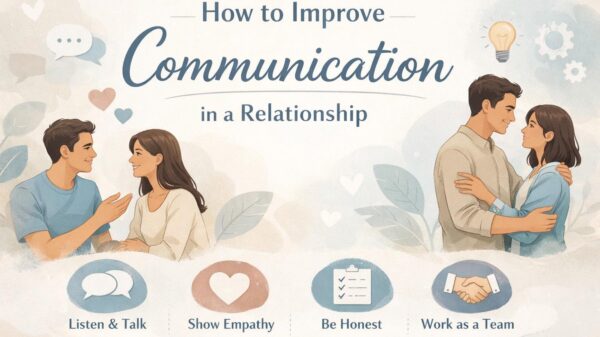
Simple ways to improve communication:
- Speak honestly but respectfully
- Listen carefully without interrupting
- Avoid blaming or criticizing
- Share your feelings calmly
- Try to understand your partner’s perspective
Couples who communicate openly create a strong emotional bond and solve problems more easily.
2.Taking Your Partner for Granted
In long-term relationships, some couples slowly stop appreciating each other. They may assume their partner will always be there, so they stop showing gratitude, kindness, or affection.
This mistake can make a partner feel unimportant, ignored, or undervalued.
How to Show Appreciation
Small gestures can make a big difference.
Simple habits that build appreciation:
- Say “thank you” for small things
- Compliment your partner regularly
- Express love and affection
- Acknowledge their efforts
- Celebrate small achievements together
Feeling appreciated keeps the relationship positive and emotionally fulfilling.
3. Avoiding Conflict Instead of Solving It
Many couples believe avoiding arguments keeps the relationship peaceful. In reality, ignoring problems often makes them worse.
Unresolved issues can build frustration and emotional distance over time.
Healthy Ways to Handle Conflict
Disagreements are normal in any relationship. What matters is how couples deal with them.
Healthy conflict habits include:
- Discuss problems calmly
- Focus on solutions instead of blame
- Avoid hurtful words
- Take breaks if emotions get too intense
- Respect each other’s opinions
Solving conflicts together strengthens trust and emotional understanding.
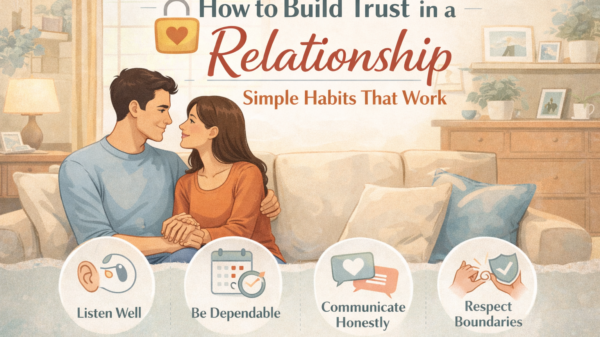
4. Lack of Trust
Trust is one of the most important elements of a healthy relationship. Without trust, partners may feel insecure, suspicious, or emotionally distant.
Trust problems may come from past experiences, dishonesty, jealousy, or broken promises.
How Couples Can Build Trust
Building trust takes time and consistent effort.
Ways to strengthen trust:
- Be honest with your partner
- Keep your promises
- Be transparent about important matters
- Respect boundaries
- Avoid secretive behavior
Trust grows when partners show reliability and emotional safety.
5. Trying to Change Your Partner
Some people enter relationships hoping they can change their partner’s personality, habits, or lifestyle. This expectation often leads to frustration and disappointment.
Everyone has unique traits, strengths, and weaknesses. Constantly trying to change someone can make them feel criticized or rejected.
Accepting Your Partner
Healthy relationships focus on acceptance and growth, not control.
Healthy alternatives include:
- Accept your partner’s individuality
- Encourage positive growth without pressure
- Focus on shared goals
- Respect personal differences
Acceptance creates a supportive and loving environment.
6. Spending Too Little Quality Time Together
Busy schedules, work stress, and daily responsibilities can reduce the time couples spend together. Over time, this lack of quality time can weaken emotional connection.
Relationships require regular attention and effort.
How Couples Can Reconnect
Spending meaningful time together strengthens intimacy and understanding.
Ideas for quality time:
- Plan regular date nights
- Take walks together
- Cook meals together
- Share hobbies or activities
- Put phones away during conversations
Even small moments of connection can make a relationship stronger.
7. Letting Small Problems Turn Into Big Ones
Sometimes couples ignore small problems thinking they are not important. However, small frustrations can accumulate and eventually lead to major arguments.
Addressing issues early prevents unnecessary stress.
Helpful habits include:
- Speak up about concerns respectfully
- Address misunderstandings quickly
- Avoid holding grudges
- Focus on solving issues as a team
Early communication keeps the relationship healthy and balanced.
8. Losing Emotional Intimacy
Emotional intimacy means feeling safe, understood, and connected with your partner. When emotional intimacy fades, couples may start feeling distant even if they live together.
This often happens when partners stop sharing their thoughts, feelings, and experiences.
How to Rebuild Emotional Connection
- Share your thoughts openly
- Ask meaningful questions
- Listen with empathy
- Support your partner during difficult times
- Show physical affection
Strong emotional intimacy keeps relationships meaningful and fulfilling.
9. Comparing Your Relationship to Others
Social media often shows unrealistic images of “perfect” relationships. Comparing your relationship to others can create unnecessary pressure and dissatisfaction.
Every relationship is unique and has its own journey.
Focus on Your Own Relationship
Instead of comparing, couples should focus on building their own happiness.
Helpful mindset shifts:
- Appreciate your partner’s strengths
- Focus on personal growth together
- Set shared goals
- Celebrate your relationship’s progress
Healthy relationships grow through teamwork, not comparison.
10. Neglecting Personal Growth
Some couples become so focused on the relationship that they forget about personal development. When individuals stop growing, the relationship may feel stagnant.
Healthy relationships support both personal and shared growth.
Encouraging Growth in a Relationship
Partners should support each other’s ambitions and goals.
Ways to encourage growth:
- Support career goals
- Encourage learning new skills
- Respect personal interests
- Celebrate achievements
When individuals grow, the relationship becomes stronger and more balanced.
How to Build a Healthy and Lasting Relationship
Avoiding relationship mistakes is important, but building positive habits is equally essential.
Strong relationships often include:
- Open and honest communication
- Mutual respect and understanding
- Emotional support
- Trust and reliability
- Quality time together
Healthy couples view challenges as opportunities to grow rather than reasons to give up.
Final Thoughts
Every relationship faces challenges. Making mistakes is natural, but repeating unhealthy patterns can damage even the strongest bonds.
By recognizing common relationship mistakes couples make, partners can take steps to improve communication, strengthen trust, and deepen emotional connection.
Healthy relationships are built through patience, understanding, respect, and consistent effort. When both partners are committed to growth, love becomes stronger over time.
Avoiding these common mistakes will help couples create a relationship that is not only lasting but also deeply fulfilling.
Frequently Asked Questions ( FAQs)
One of the biggest mistakes couples make is poor communication. When partners stop expressing their feelings openly, misunderstandings and emotional distance often grow.
Couples can improve their relationship by focusing on honest communication, trust building, appreciation, and spending quality time together.
Relationships often struggle due to lack of communication, unresolved conflicts, trust issues, and emotional neglect.
Trust is essential because it creates emotional safety, security, and stability. Without trust, relationships may experience constant doubt and conflict.