
What if the “healthy” foods you eat every day are secretly fueling your menopause belly fat?
This begins to occur when women are menopausal. But, truthfully, it can be so frustrating. You’re eating less, you’re staying active, but your tummy no longer moves around the way it did before. That’s because menopause affects more than just your hormones. It alters the way your body stores fat, affects the speed of your calorie-burning potential, and influences your hunger cues, as well as how your body processes some foods.
A few foods that are common in our daily diets can make a big difference by reducing their consumption. In this article, you will learn about the foods to avoid during menopause, belly fat, and why they’re so problematic when you’re in menopause.
Why Belly Fat Increases During Menopause
Increased belly fat during menopause is a common occurrence. Estrogen is responsible for some regulation of fat distribution in the body before menopause. However, as soon as your estrogen levels start to decline, your body will begin to deposit fat around the abdomen.
At the same time:
- Metabolism slows down
- Muscle mass decreases
- Stress hormones increase more quickly
- Blood sugar control becomes more difficult
Foods to Avoid During Menopause for Weight Loss
1. Sugary Drinks and Sugar-Based Snacks
When it comes to making menopause belly fat worse quickly, there’s nothing worse than too much sugar. Sweets, sweet coffee, sweetened packaged juices, biscuits, cakes, and sweets all raise your blood sugar level high. The more blood sugar goes up and down, the more insulin is released. Over the years, the storage of fat around the belly has become quite easy. Ever notice why you feel tired after eating? Blood sugar swings from sugary foods are often the culprit.
What makes it difficult is that sugar is in recipes that may be assumed to be healthy. Things like:
- Flavored yogurt
- Breakfast cereals
- Granola bars
- Protein snacks
- Bottled smoothies
- Even “low-fat” products
2. White Bread, Pastries, and Refined Carbs
Many refined carbs have a similar effect on the body as sugar. Conventional breads like white bread, regular pasta, bakery goods, white rice, and crackers break down rapidly and raise blood sugar levels rapidly. As you approach menopause, your body is more likely to react to these fluctuations, which can result in a fat belly.
This doesn’t mean that carbs are evil. It’s just about selecting the digestion-resistant carbohydrate foods more frequently, like these:
- Oats
- Brown rice
- Quinoa
- Sweet potatoes
- Whole grains
These will keep you feeling more satiated for longer, and will prevent the cycle of hunger and crash. Some women also find that easy keto meals help manage carb intake without feeling deprived.
3. Alcohol
Many women experience different effects from alcohol during their menopausal years. A single or double alcoholic beverage could suddenly:
- Disturb sleep
- Trigger hot flashes
- Increase bloating
- Make you feel tired the following day
Unfortunately, alcohol also causes belly fat to be even more difficult to shed. Alcohol takes precedence over burning fat when you are drinking. According to Mayo Clinic, hormonal changes during menopause can make it harder to maintain a healthy weight, and lifestyle choices like alcohol consumption play a significant role.
4. Processed Foods and Fast Foods
Processed foods are ubiquitous, since they’re readily available, inexpensive, and easy to find. However, during menopause, they can hurt your body in many ways. A few foods that are common in our daily diets can make a big difference by reducing their consumption. If you’re also trying to reduce ultra-processed foods, that’s a great first step. Foods like chips, instant noodles, frozen meals, fast food, processed meats, and packaged snacks typically contain:
- Sodium
- Unhealthy fats
- Preservatives
- Refined ingredients
5. Fried Foods and Trans Fats
While deep-fried foods may be comforting, menopause isn’t a good time for the body. Fried chicken, fries, doughnuts, and packaged baked snacks are often loaded with unhealthy fats that can lead to an increase in inflammation and subsequent abdominal fat gain. These foods can also worsen digestive issues if you’re prone to heartburn. Check out foods that cause acid reflux to know what else to avoid.
The drop in oestrogen levels is another natural cause of the elevated risk of heart disease in menopause. A healthier choice is to concentrate on healthier fats like:
- Olive oil
- Avocado
- Nuts
- Seeds
- Fatty fish
6. Salty Foods That Cause Bloating
Excessive sodium leads to a build-up of water in the body and results in stomach discomfort, tightness, and swelling. Foods that commonly cause this include:
- Canned soups
- Restaurant meals
- Instant foods
- Salty snacks
- Processed sauces
7. Too Much Caffeine
This is a subjective and personal one. Some women are just fine consuming caffeine during menopause. Others report it gets worse:
- Anxiety
- Sleep problems
- Hot flashes
- Digestive discomfort
What Actually Works for Menopause Belly Fat

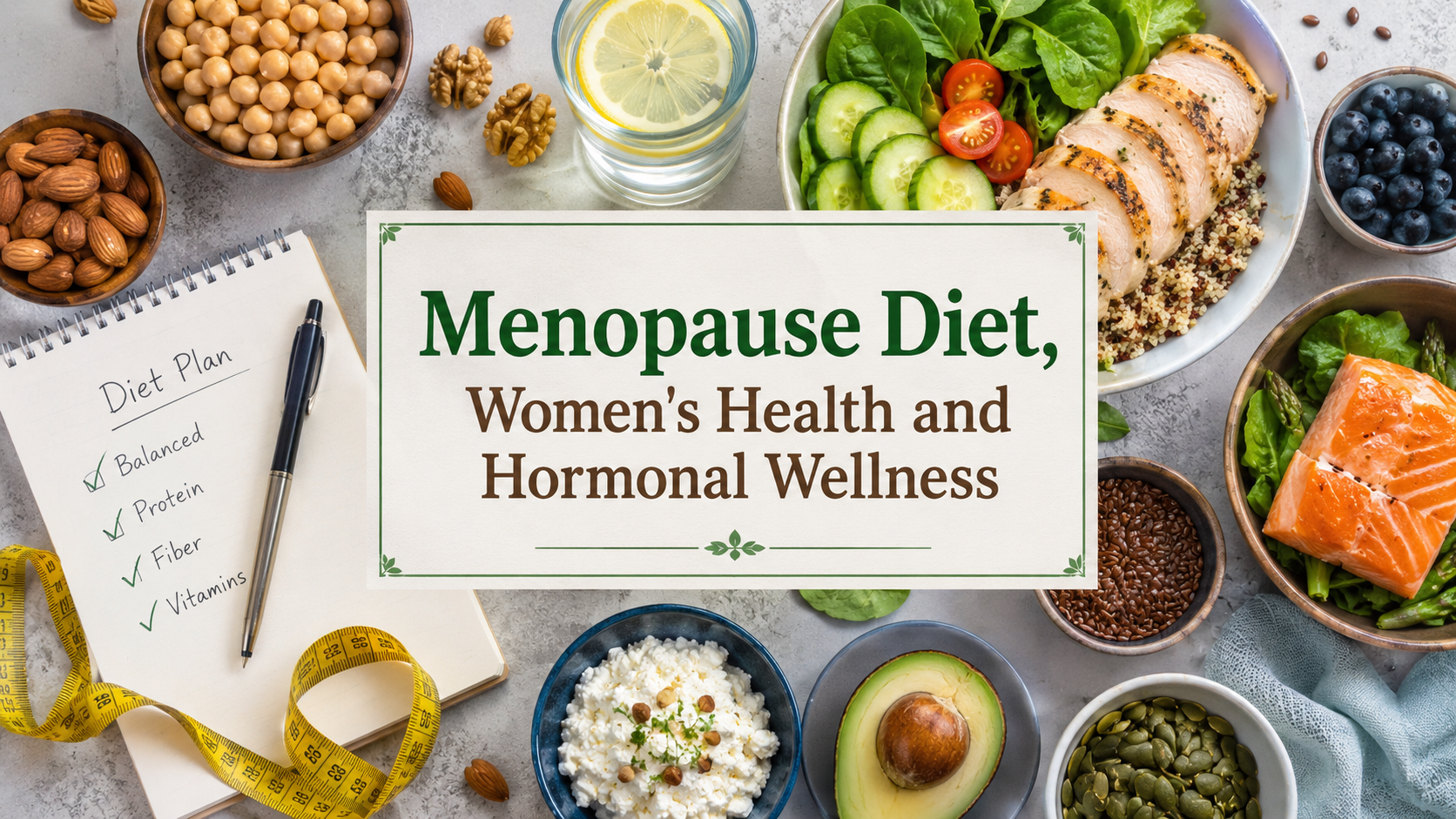
Menopause Diet, Women’s Health and Hormonal Wellness
The idea of a perfect diet isn’t necessary. Most women just feel better when meals are more well-balanced and less processed. Generally, a menopause-friendly plate consists of protein, vegetables, healthy fats, fiber, and enough water.
Foods that work well include:
- Leafy greens
- Berries
- Salmon
- Eggs
- Lentils
- Nuts
- Flaxseeds
- Oats
- Chickpeas
If you’re ready to take a more structured approach, our menopause diet 5-day plan gives you a full week of meal ideas built around these exact principles.
Protein is particularly important to consume because muscle naturally declines over time, and muscle is key to maintaining a healthy metabolism. Research from Healthline supports that a diet rich in whole foods, lean protein, and phytoestrogens can ease menopause symptoms and support a healthy weight.
Habits Worth Building During Menopause
Let’s put the extremes of dieting aside for a while. These small habits have a greater impact in the long term:
- Take a walking tour every day, no matter how short it is, even if it is just 20–30 minutes a day
- Consume protein at meals
- Sleep properly and minimize stress, if possible
- Drink more water
- Stop skipping meals
- Carefully read food labels
It is more important to be consistent than perfect. For a more structured approach, read this complete guide on how to lose belly fat naturally at home. It covers step-by-step strategies that pair well with menopause-specific changes.
Final Thoughts
While you cannot directly influence your hormones, you can help your body by limiting foods that cause inflammation, blood sugar spikes, and bloating. Start small. Perhaps it will be a week of fewer sugary beverages. Perhaps it’s replacing white bread with whole-grain bread. The smallest changes occurring repeatedly over time make the largest difference. Above all, treat yourself well while you’re in the process.
FAQs
1. What foods will aggravate menopause belly fat?
Some of the major offenders for menopause belly fat include sugary foods, refined carbs, alcohol, fried foods, and highly processed snacks.
2. If I am eating the same foods, why is there weight gain around my belly while going through menopause?
As hormones alter, metabolism slows, and the way the body stores fat changes, particularly around the midsection.
3. Can menopause belly fat go away?
Yes, it can get better through good nutrition, exercise, stress management, and better sleep.
4. Is there any relationship between the consumption of sugar and weight gain during menopause?
Yes. Excessive sugar means elevated insulin levels, which promote the storage of fat, particularly around the waistline.
5. Which is the healthiest breakfast for a woman going through menopause?
Protein and fiber are important at breakfast; for instance, eggs on whole grain bread or oats with nuts and seeds help to prevent a sharp increase in blood sugar and can decrease hunger throughout the day.