

















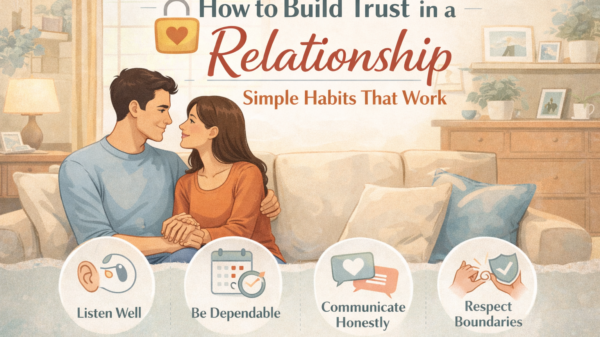

Trust is the foundation of every healthy relationship. Whether it is a romantic partnership, friendship, or marriage, trust creates emotional safety, honesty, and long-term connection. Without trust, misunderstandings grow quickly, communication breaks down, and relationships become stressful.
The good news is that trust can be built through simple daily habits. It does not happen overnight, but small consistent actions can strengthen a relationship over time.
In this guide, you will learn how to build trust in a relationship, the habits that strengthen emotional bonds, and practical ways to create a relationship based on honesty, respect, and reliability.
Why Trust Is Important in a Relationship
Trust is more than just believing someone will not lie to you. It means feeling emotionally secure with your partner. When trust exists, both partners feel comfortable sharing thoughts, feelings, and vulnerabilities.
A relationship built on trust offers many benefits:
- Strong emotional connection
- Better communication between partners
- Reduced jealousy and insecurity
- Higher relationship satisfaction
- Long-term stability and commitment
When partners trust each other, they feel supported rather than judged. This creates a safe space where love and understanding can grow.
Signs of a Trustworthy Relationship
Before learning how to build trust, it helps to understand what a healthy and trusting relationship looks like.
1. Open and Honest Communication
Partners feel comfortable expressing their thoughts without fear of criticism. They share feelings, concerns, and ideas openly.
2. Reliability and Consistency
A trustworthy partner keeps promises and follows through on commitments. Their actions match their words.
3. Emotional Safety
Both partners feel safe sharing personal thoughts, mistakes, and vulnerabilities.
4. Mutual Respect
Trust grows when both people respect each other’s boundaries, opinions, and individuality.
If these elements exist, trust naturally grows stronger over time.
Simple Habits That Help Build Trust in a Relationship
Trust is not built through grand gestures alone. It grows from small daily habits and consistent behaviour. Below are simple but powerful ways to strengthen trust.
1. Practice Honest Communication
Honesty is one of the most important pillars of trust.
Being honest does not mean sharing every small detail, but it does mean being truthful and transparent about important matters. Hiding information or telling small lies can slowly damage trust.
Healthy communication includes:
- Expressing feelings clearly
- Sharing concerns calmly
- Avoiding passive-aggressive behaviour
- Listening without interrupting
When partners communicate openly, misunderstandings decrease and emotional intimacy grows.
2. Keep Your Promises
Trust grows when actions match words.
If you promise something whether it is calling later, completing a task, or supporting your partner, follow through on it. Even small broken promises can slowly weaken trust.
Ways to build reliability:
- Only make promises you can keep
- Be honest if plans change
- Show consistency in your behaviour
Over time, your partner learns that they can depend on you.
3. Be Emotionally Available
Emotional availability means being present and supportive when your partner needs you.
This includes:
- Listening carefully when they speak
- Showing empathy during difficult times
- Being patient with their emotions
When someone feels emotionally supported, they naturally develop deeper trust in the relationship.
4. Show Respect in Every Situation
Respect plays a huge role in building trust.
Partners should respect each other’s:
- Opinions
- Personal space
- Goals and ambitions
- Boundaries
Disrespectful behaviour such as criticism, sarcasm, or ignoring feelings can damage trust quickly.
Respect creates an environment where both partners feel valued and understood.
5. Be Consistent With Your Behaviour
Consistency builds security in a relationship.
If your mood, reactions, or behaviour constantly change, your partner may feel uncertain about the relationship. Consistent behaviour helps your partner know what to expect from you.
Examples of consistency include:
- Treating your partner kindly every day
- Showing appreciation regularly
- Maintaining healthy communication habits
Consistency sends a strong message: you are dependable.
6. Admit Mistakes and Apologize
No relationship is perfect. Everyone makes mistakes.
However, trust grows when people take responsibility for their actions instead of blaming others.
A sincere apology should include:
- Acknowledging the mistake
- Taking responsibility
- Expressing genuine regret
- Making an effort to improve
This shows maturity and strengthens emotional trust.
7. Avoid Jealousy and Control
Excessive jealousy or controlling behaviour can damage trust.
Healthy relationships require freedom and individuality. Partners should feel comfortable maintaining friendships, hobbies, and personal interests.
To avoid jealousy:
- Focus on communication instead of suspicion
- Address insecurities honestly
- Give each other space when needed
Trust grows when partners feel respected rather than controlled.
8. Support Your Partner’s Goals
Supporting your partner’s dreams builds a deeper emotional bond.
This can include:
- Encouraging career growth
- Celebrating achievements
- Helping during difficult times
When partners support each other’s ambitions, they feel valued and understood. This strengthens both trust and emotional intimacy.
9. Practice Active Listening
Listening is one of the most powerful relationship skills.
Active listening means fully focusing on what your partner is saying instead of preparing a response.
Key listening habits include:
- Maintaining eye contact
- Avoiding interruptions
- Asking thoughtful questions
- Showing empathy
When someone feels heard, they naturally develop stronger trust.
10. Protect Your Partner’s Vulnerabilities
When someone shares personal thoughts or insecurities, they are showing vulnerability.
Protecting that vulnerability is essential for trust.
Avoid:
- Mocking personal feelings
- Sharing private information with others
- Using sensitive topics during arguments
Respecting emotional boundaries strengthens the sense of safety in a relationship.
Common Mistakes That Break Trust
Sometimes trust is damaged not by major betrayals but by repeated small mistakes.
Common trust-breaking behaviours include:
- Dishonesty or hiding information
- Ignoring partner’s feelings
- Breaking promises frequently
- Being emotionally unavailable
- Showing disrespect during arguments
Recognizing these behaviours early can help prevent long-term damage.
How to Rebuild Trust After It Is Broken
Even strong relationships may face moments where trust is damaged. Rebuilding trust takes time, patience, and consistent effort.
Step 1: Acknowledge the Problem
Both partners must openly discuss what happened and how it affected the relationship.
Step 2: Take Responsibility
The person who broke trust must accept their actions without excuses.
Step 3: Improve Communication
Open conversations help partners understand each other’s feelings and rebuild emotional connection.
Step 4: Be Patient
Trust does not return instantly. Consistent actions over time are required to restore confidence.
With effort from both partners, many relationships can grow stronger after overcoming trust challenges.
Daily Habits That Strengthen Relationship Trust
Building trust becomes easier when couples practice positive habits every day.
Healthy relationship habits include:
- Checking in with your partner regularly
- Expressing appreciation and gratitude
- Spending quality time together
- Supporting each other emotionally
- Maintaining honest communication
Small actions repeated daily create long-lasting relationship stability.
Long-Term Benefits of Trust in Relationships
When trust becomes a core part of a relationship, couples experience deeper emotional satisfaction.
Long-term benefits include:
- Stronger emotional intimacy
- Reduced conflict and misunderstandings
- Greater relationship happiness
- Improved mental well-being
- Long-lasting commitment
Trust allows partners to build a relationship where both people feel secure, respected, and valued.
Conclusion
Building trust in a relationship does not require complicated strategies. Instead, it grows through honesty, consistency, respect, and emotional support.
Simple habits such as open communication, keeping promises, practicing empathy, and supporting your partner’s goals can strengthen the foundation of any relationship.
Trust takes time to develop, but once it is established, it creates a strong bond that helps relationships thrive even during difficult times.
By practicing these simple habits that work, couples can build deeper connections, improve communication, and create a relationship based on lasting trust and mutual respect.
Frequently Asked Questions (FAQs)
Trust develops gradually. It may take weeks or months depending on the relationship and the consistency of positive behaviour.
Yes, trust can be rebuilt through honesty, accountability, and consistent effort from both partners.
The most effective way is through honest communication, reliability, and emotional support.
Trust creates emotional safety, improves communication, and strengthens long-term relationship stability.