
Not all convenience foods are as harmless as they seem.
Ultra-processed foods have slowly become a regular part of today’s eating habits. If you’re also looking to manage stress naturally, reducing ultra-processed foods is a great place to start since poor diet and stress are closely linked. Prioritizing a diet low in ultra-processed foods should be your goal, especially when it comes to long-term health. There are simple daily habits to follow that can make a big difference.
They’re typically fast and easy, but are loaded with excess sugar, salt, unhealthy fats, and additives. They are especially appetizing, allowing individuals to eat more than they should. The upside is that you don’t need to eliminate all processed foods. Instead, there are some quick changes and better decisions you can make that can lead you towards a healthier and more balanced eating. Whole foods lower the consumption of ultra-processed foods.
What is an Ultra-Processed Food?
Ultra-processed foods are foods that are heavily processed in factories and have ingredients you would not normally use at home. These foods are certainly not in their natural form. They are not made of basic ingredients, but instead are composed of preservatives, artificial flavors, colors, stabilizers, and sweeteners. They are added to enhance the taste, help with the shelf life, and to create an attractive product.
Common examples include:
- Packaged chips, sweet breakfast cereals
- Fizzy drinks and carbonated drinks
- Fast food meals
- Baked goods that are ready to eat and have been packaged
- Ready-to-eat microwaveable meals
Even “healthy” foods can be ultra-processed if they have extensive and complicated ingredient lists.
Why Ultra-Processed Foods are a Concern
An excessive intake of ultra-processed food can have harmful effects on health. These foods tend to be low in nutrients, such as fibre, vitamins, and minerals, and high in calories. Common issues associated with high consumption are:
- Eating too many calories
- Higher intake of sugar/salt
- Consuming fewer natural and whole foods
- In general, a low-quality diet
Foods that appeal very strongly might cause one to eat more or mindlessly. The point is to achieve a balance, not perfection. Opt for less processed foods more frequently to significantly boost your nutrition.
Here are Eight Simple Steps to Reduce Ultra-Processed Foods in Your Diet
It isn’t hard to make healthier choices. So here are a few easy and practical suggestions to help you cut back on ultra-processed foods without having to make a lifestyle change.
1. Use Fresh or Bakery Bread, Rather than Packaged Bread
Often, store-bought breads have a long list of ingredients that include preservatives and additives.
A Better Choice
Shop for bread at:
- Local bakeries
- Small grocery bakeries
- Brands with no frill ingredients
Basic ingredients of fresh bread include flour, yeast, water, and salt. This is an even less processed option. Also, check for breads that have whole grains as the first few ingredients.
2. Choose Plain Yogurt and Add Your Own Flavour
Flavored yogurts often contain a lot of added sugar and artificial ingredients.
A Simple Swap
Select plain/unsweetened yogurt and top with natural ingredients such as:
- Fresh fruits
- Frozen berries
- Honey
- A little jam
- Nuts, or seeds
This way, you can manipulate sweetness levels and steer clear of unnecessary additives.
3. Make Some of the Breakfast Cereals Better
Most commercially manufactured cereals contain a lot of added sugar and artificial additives.
What to Choose:
Pick cereals that:
- Have whole grains as the first ingredient
- Contain fewer ingredients
- Are low in added sugar
Another option for making your cereal healthier is to add:
- Almonds or walnuts
- Seeds
- Unsweetened dried fruit
This ingredient makes an ordinary breakfast into a more complete and satisfying breakfast.
4. Use Fresh Deli Meats Instead of Processed

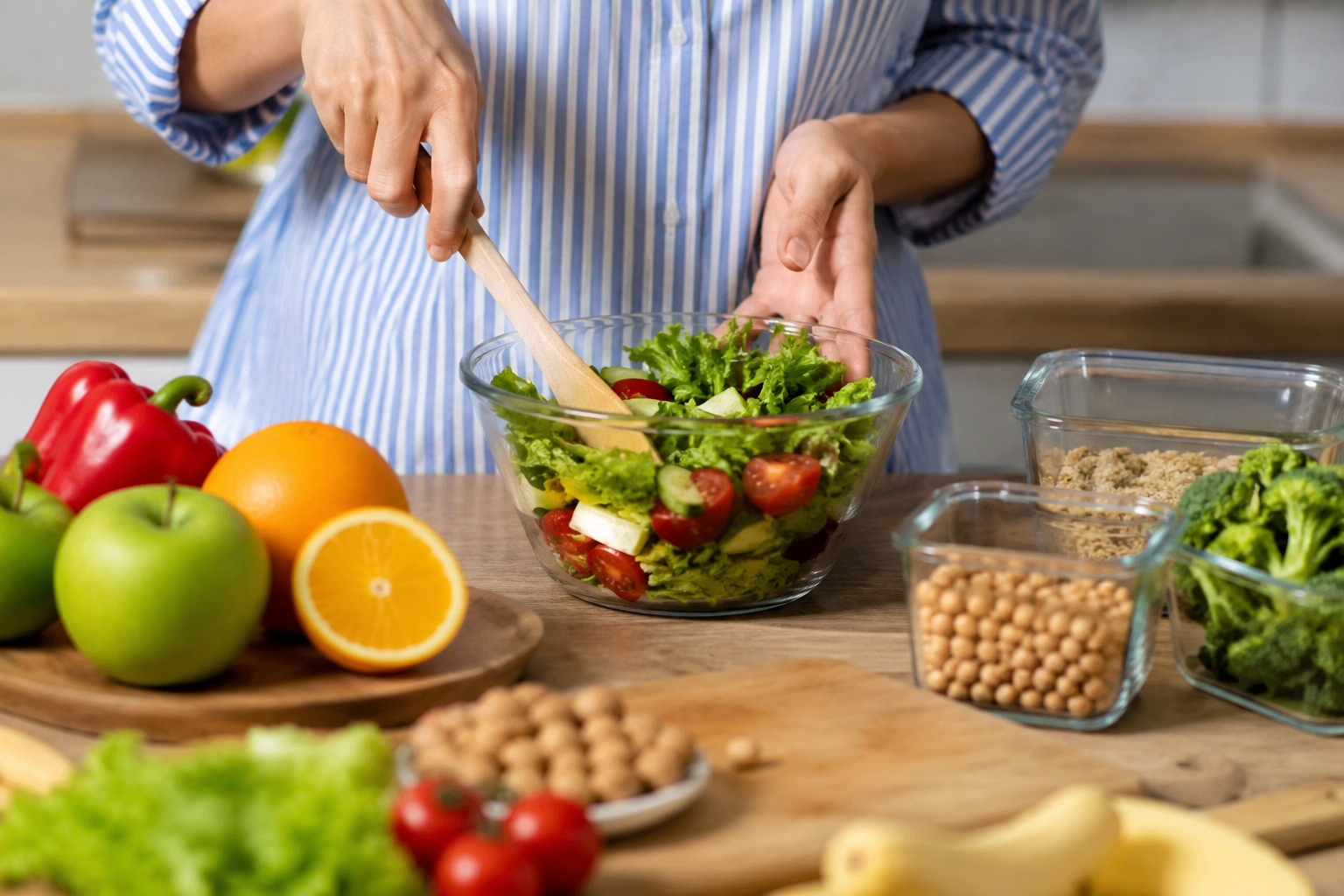
Choosing fresh, minimally processed foods can help reduce your intake of ultra-processed products and support a healthier diet.
Choosing fresh, minimally processed foods can help reduce your intake of ultra-processed products and support a healthy diet and nutrition.
Healthier Options:
To avoid packaged slices, try:
- Roasted chicken
- Fresh turkey slices
- Lean roasted beef
You can buy meat that is freshly cooked from the supermarket and cut it into slices at home. Typically have better flavor and fewer additives.
5. Instead of Pre-Shredded Cheese, Purchase Block Cheese
The cheese that is sold shredded is usually treated with chemicals to stop it from sticking together.
A Better Choice:
Purchase cheese in blocks and shred or slice at home. Benefits include:
- Fewer additives
- Fresher taste
- Improved texture when melted
This can be done very quickly and easily with a grater or food processor.
6. Make Your Own Salad Dressing
Salad dressings that are made in a bottle may have additives such as preservatives, stabilizers, and artificial flavors.
Quick Homemade Dressing Idea:
Making your own dressing is super easy and only takes a few minutes. Some basic ingredients are:
- Olive oil
- Vinegar or lemon juice
- A pinch of salt
- Black pepper
- Herbs or spices
Mustard, garlic, or a spoonful of Greek yoghurt may be added for extra flavor. Homemade dressings are fresher, more customisable, and will typically be far less processed.
7. Choose Healthier Crunchy Snacks
A typical example of ultra-processed foods is snack chips. They are frequently packed with artificial flavors, processed oils, and sodium.
Better Snack Options:
If you are looking for something crunchy, check out these:
- Air-popped popcorn
- Mixed nuts
- Whole-grain crackers
- Roasted chickpeas
These are all great choices for snack foods that offer nutrition, including fiber and healthy fats. When possible, refrain from microwaving popcorn variants that have extra additives.
8. Make Simple Homemade Tomato or Pizza Sauce
Pre-packaged sauces can have too much sodium, added sugars, and preservatives.
Easy Homemade Sauce:
You can quickly make a basic tomato sauce using:
- Canned tomato puree (unsalted)
- Olive oil
- Garlic
- Herbs such as dried oregano or basil
This kind of sauce is easy to make, delicious, and can help you to know what goes into your food. According to Harvard T.H. Chan School of Public Health, the degree of food processing plays a major role in overall diet quality, making homemade alternatives a consistently smarter choice.
Small Changes Make a Big Difference
Don’t worry, cutting back on ultra-processed foods doesn’t mean you can’t enjoy convenience. The aim is to make small day-to-day improvements that will fit into your lifestyle. Some nice tips to have:
- Reading ingredient labels
- When selecting foods, opt for those with fewer ingredients
- Making simple meals at home, having nutritious food on hand
Any changes can add up to make a big difference in your diet over time. Emphasize balance, not perfection!
Emphasize Balance, Not Perfection
In today’s life, there is a high likelihood that one will not be able to completely avoid ultra-processed foods, nor should one. The key is to establish a healthy pattern of eating that consists of:
- Whole grains
- Fresh fruits and vegetables
- Lean proteins
- Healthy fats
Cutting down on highly processed food and increasing the amount of simpler foods in your diet will help you promote good health and develop healthy habits. And if you ever need a quick, nutritious bite between meals, try these healthy snacks at home. They take just 5 minutes to prepare and keep you on track.
Frequently Asked Questions (FAQs)
Common examples include packaged snack foods, sugary breakfast cereals, fast food items, soft drinks, processed meats, frozen meals, and packaged baked goods.
Avoiding them entirely can be difficult because many packaged foods fall into this category. Instead, the goal should be to reduce their consumption and prioritize whole or minimally processed foods.
Not necessarily. Some processed foods, such as frozen vegetables, canned beans, and plain yogurt, can still be nutritious. The concern mainly relates to ultra-processed foods with many added ingredients.
A simple way is to check the ingredient list. If the product contains many unfamiliar ingredients, artificial additives, or a long list of preservatives, it is likely ultra-processed.
Not necessarily. Some processed foods, such as frozen vegetables, canned beans, and plain yogurt, can still be nutritious. The concern mainly relates to ultra-processed foods with many added ingredients.