
It takes just 48 hours of inactivity for your body to begin reversing everything you worked so hard to build.
You may have a couple of missed workouts, and then weeks go by. When you stop exercising, you will notice more changes in your body than you think, because your body adjusts quickly to activity and inactivity. The good news? There is no quick and easy way to lose everything. However, changes begin to take place slowly within your body. Everything starts to change from energy levels to strength, metabolism to flexibility. Let’s be straightforward so you understand what it’s about and how to do it at a smart level.
The Effects of Stopping Exercise on Your Body
Consistency is the thing that your body thrives on. As soon as you cease from the exercise, it goes through a period known as detraining, during which you begin to lose fitness. This is not necessarily permanent damage. It just means you’re getting used to it. Let’s see how various aspects of fitness are influenced.
If you’re serious about maintaining your progress, it also helps to understand the common fitness myths that may be slowing you down because not everything you’ve heard about fitness is true.
7 Ways Your Fitness is Affected
1. Cardio Fitness Starts Dropping
The first thing that you will need to adjust is your endurance. Regular exercise strengthens and improves your heart’s ability to do its job. But once you stop, you start to feel tired. Your heart doesn’t work as well as it used to. The muscles get less oxygen.
In a few weeks, you will see:
- Walking up steps seems more difficult
- Running quickly will cause fatigue
- Loss of that “easy breathing” feeling
2. Muscle Strength Begins to Fade Gradually
Muscles must be exercised to maintain their strength. Once you stop exercising, muscle activation reduces, strength starts decreasing, and endurance drops. There will be little loss of strength in the first week. However, after a few weeks:
- Things are heavier to lift
- Muscles tire faster
- A general feeling of weakness in your body
3. Your Metabolism Slows Down
Physical activity is an important part of maintaining a healthy metabolism. Once you stop:
- Calorie burning decreases
- There is a slight decrease in muscle mass
- Fat storage increases
This can lead to weight gain, feeling sluggish, and low energy during the day. If your goal is weight management, following a healthy workout routine can help you stay on track before you reach this point.
4. Blood Sugar Control Gets Worse
Muscles regulate blood sugar levels. Without exercise, your body stops working as it used to with glucose. Blood sugar levels stay higher after meals, and the likelihood of energy crashes increases. You might notice:
- Feeling sleepy or drowsy after meals
- Sugar cravings are increasing
- The rising and falling of energy levels
5. Body Fat Begins to Increase
If you’re not as active as you used to be, but still eating your usual amount of food, any excess calories are stored as fat. Muscle-to-fat ratio changes and body composition shifts. Within a few weeks:
- Belly fat might go up
- Tight-fitting clothes might feel tighter
- Your body starts to become flabby
6. Loss of Flexibility and Mobility
These joints and muscles are kept flexible with movement. When you stop, muscles become tight, the range of motion is decreased, and stiffness increases. Common areas affected: lower back, hips, hamstrings. You may experience:
- Stiffness or pain in the morning
- Less flexibility in bending or stretching
- Slight body aches
7. Energy Levels Drop
Many are surprised at this one. You’d think resting more = more energy. But actually, the less you move, the less you circulate. A decrease in activity = decrease in energy production. Rather, you might feel:
- More tired
- Less motivated
- Mentally low
Stopping exercise can do the opposite of what it does, which is to increase energy.
What Will Happen After a 1-Week Break?
Taking a short break isn’t a problem; in some cases, it will be good.
What you might notice:
- A slight decline in endurance
- The muscles are slightly “flat.”
- Body feels relaxed
What doesn’t happen:
- No real muscle loss
- No fat gain (unless overfeeding)
- No significant decrease in strength
Tip: When you return, start at 70–80% intensity. Slowly resume normal activity. Focus on consistency again. After a week’s break, it’s more recovery than regression.
What Is the Effect of a 1-Month Break?
This is where differences start to become more apparent. You may experience reduced endurance, slight strength loss, and a higher rate of fatigue when exercising. The body becomes heavier or less toned. Exercise will seem more difficult than ever:
- The same exercises seem harder to perform
- You become more fatigued
- Recovery takes longer
Things That Impact the Rate of Fitness Loss

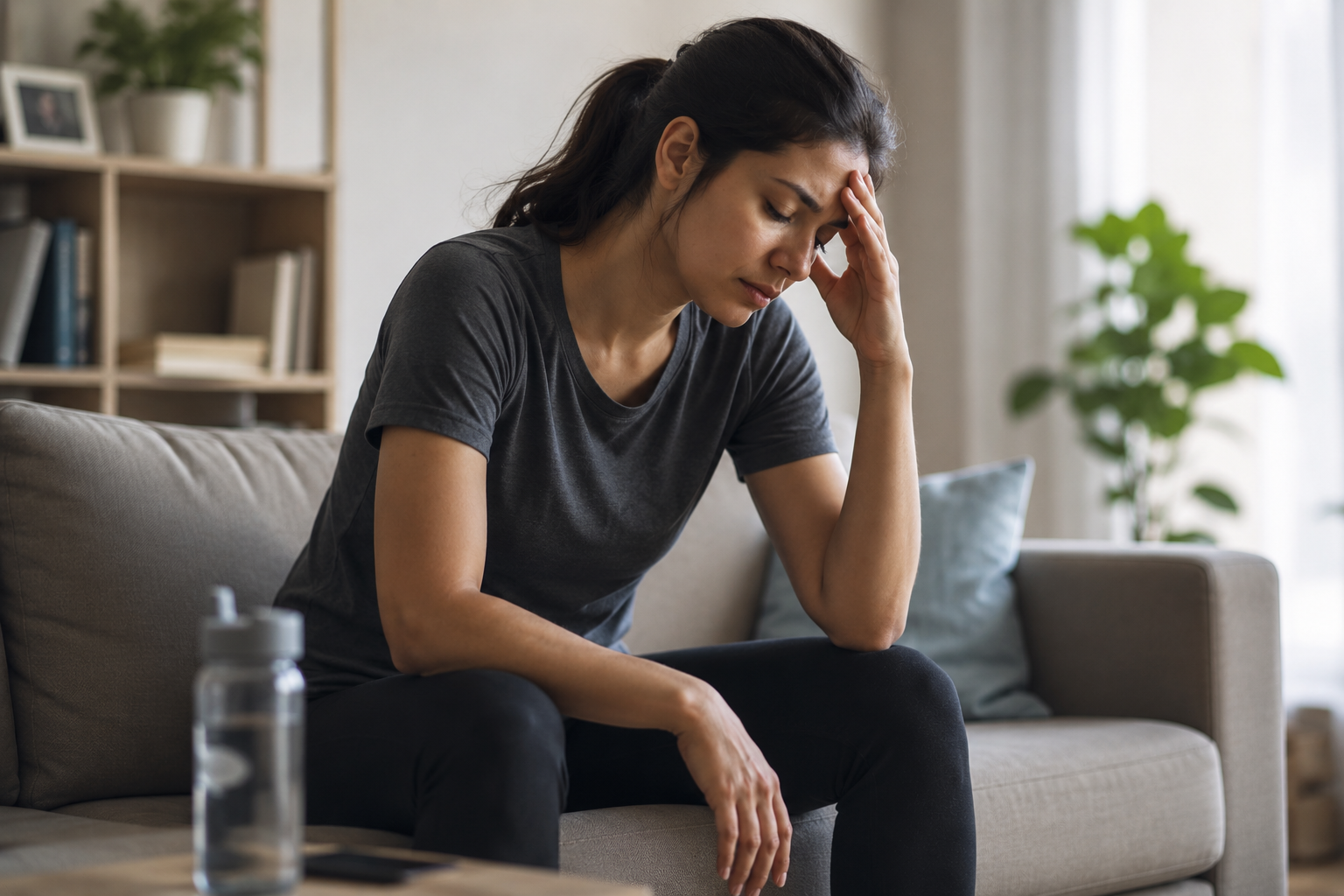
Learn about the physical and mental effects of stopping exercise
Changes are not the same for everyone, and they do not occur at the same pace. Here’s what matters:
Duration of Break: The longer the break, the greater the decrease.
Type of Training: The more intensely they train, the quicker they deteriorate. Moderate activity leads to a moderate decline.
Your Fitness Level: Fitter people may experience changes sooner, but will also recover them sooner.
Age: As age increases, the loss of muscle occurs at a greater rate. Recovery becomes slower. Research from the National Institute on Aging confirms that staying active is especially important as we get older.
Nutrition: Good nutrition can preserve muscle and slow down fat gain. This is not the case when the diet is poor.
What to Do If You Break or Miss a Workout
Here are a few ways to stay on track even during busy or down times:
Stay Lightly Active
Keep moving with low-intensity activities like walking, stretching, and yoga.
Reduce, Don’t Quit
If you’re busy, do shorter workouts and exercise 1–2 times per week. Something is always better than nothing.
Maintain Protein Intake
Protein helps protect muscle and reduce strength loss during periods of inactivity.
Keep Moving Daily
Aim for 7,000–10,000 steps. It’s important to move every day.
Ease Back Smartly
When returning, do not start at full strength. Start slow and build gradually. This helps avoid injury and burnout.
One of the most effective approaches is to build muscles naturally, focusing on progressive overload and consistent effort rather than jumping back to heavy weights immediately.
Key Takeaway
When you cease exercising, it’s not that your body is damaged; it’s just that it’s going to adjust to the new normal. Yes, you might lose some strength, stamina, and flexibility. However, the body is very intelligent. Once you restart, erosion is reduced, progress returns more quickly, strength rebuilds more quickly, and endurance improves again.
And if you find yourself struggling to even get started again, it might be worth reading about how to stop procrastination because sometimes the biggest barrier isn’t physical, it’s mental.
For a deeper dive into what the science says about exercise breaks and recovery, the guide on exercise and fitness is a reliable reference worth bookmarking.
Frequently Asked Questions (FAQs)
1. How fast does your fitness decline if you stop exercising?
Other changes, such as lower energy and blood sugar control, may begin within a couple of days. Loss of fitness is usually noticeable after 2–4 weeks.
2. After week 1 of no exercise, do you lose muscle?
No, one week is not enough time to lose any muscle mass. Your muscles might appear smaller because of a drop in glycogen, but it isn’t as much as it seems.
3. Is it easier to get fit when you return after a break?
Yes, thanks to muscle memory, your body gets more robust on the first exercise it remembers than it was on its first.
4. If I stop exercising, will I gain weight?
If there is no reduction in activity but an increase in the number of calories consumed, you may put on weight. But, short periods of inactivity typically don’t lead to significant weight gain.
5. How to resume activities after a long period of absenteeism?
Slowly build up to it; try not to push too hard; try to increase it slowly.