
Over 2 billion people worldwide suffer from hidden nutritional deficiencies, and most of them have no idea.
While many believe they are eating enough food, this is not necessarily true with respect to their bodies’ nutrient requirements. Your body will give a few small hints and warnings when it is not getting the vitamins and minerals it needs. We will examine what the hidden signs of poor nutrition are, why they occur, and how this can be easily corrected with proper nutrition.
Good Nutrition is Essential for Good Health
Eating a balanced diet will help you to:
- Have stable energy levels throughout the day.
- Provide brain and mental health support, and enhance the body’s defense.
- Improve immunity, develop healthy skin and hair.
- Promote skin and hair health.
- Provide healthy weight management support.
Common Warning Signs of Poor Nutrition
Let’s take a look at some of the most prevalent warning signs.
1. Low Energy
One of the biggest indicators of a nutritional deficiency is feeling tired all the time.
Why It Happens
Nutrients such as iron, vitamin B12, magnesium, and complex carbohydrates are the source of energy for your body. Your body may not get these nutrients from your diet, and as a result, it has trouble coping with energy requirements. For instance, low iron levels can cause oxygen to not be able to pass through the body, which can cause fatigue.
How to Improve It
To help increase energy, try eating foods that are high in vitamins and minerals, such as:
- Whole grains
- Leafy green vegetables
- Eggs
- Beans and lentils
- Nuts and seeds
Balanced meals are also eaten throughout the day, which will help to maintain steady energy levels.
2. Your Weak Immunity Has a Root Cause
If you are continually getting colds or infections, your immune system might not be receiving the necessary nutrients.
Why It Happens
Vitamins and minerals that are important for the immune system include:
- Vitamin C
- Vitamin D
- Zinc
- Protein
Your body can become weak and unable to ward off bacteria and viruses without these nutrients.
How to Improve It
Add immunity-boosting foods that strengthen your body’s immune system:
- Citrus fruits
- Yogurt
- Garlic
- Spinach
- Fish
The consumption of antioxidants and vitamins boosts your body’s defense mechanism.
3. Hair Loss or Weak Hair
Your food choices are closely linked to the health of your hair. If you notice that you are losing a lot of hair or are losing hair, then poor nutrition can be the reason.
Why It Happens
The following nutrients are essential to hair growth:
- Protein
- Iron
- Biotin
- Zinc
- Omega-3 fatty acids
The absence of these nutrients in your body can make your hair follicles weak and can cause hair loss.
How to Improve It
To promote healthy hair, you should eat:
- Eggs
- Nuts
- Fatty fish
- Sweet potatoes
- Avocados
A protein-rich diet is particularly crucial to healthy hair. If your hair is already damaged, learn how to fix damaged hair naturally with simple dietary and topical remedies.
4. Dry Skin and Other Skin Problems
Your skin is an indicator of what’s going on in your body. If one has dry skin, dull skin, or has frequent irritations on his or her skin, it is a sign of poor nutrition. Understanding the causes of dull skin can help you target the right nutrients for a healthier complexion.
Why It Happens
Nutrients that are important for skin health include:
- Vitamin A
- Vitamin C
- Vitamin E
- Healthy fats
The skin may lose its natural shine and suppleness if these nutrients are not supplied.
How to Improve It
Increase the amount of skin-softening foods in your diet:
- Carrots
- Almonds
- Olive oil
- Tomatoes
- Berries
Adequate hydration and a diet rich in healthy fats can also enhance skin moisture.
5. Slow Healing of Wounds
Slowly healing cuts or wounds could mean that your body is not getting the necessary nutrients.
Why It Happens
Healing requires nutrients like Vitamin C, Protein, and Zinc. They have the ability to repair damaged tissues and create new skin cells.
How to Improve It
Foods that promote tissue repair include the following:
- Lean meat
- Beans
- Seeds
- Citrus fruits
- Whole grains
A balanced diet will help with healing and speed up the recovery process.
6. Mood Changes and Brain Fog
Nutrition impacts the brain, mental health, and well-being.
Why It Happens
Nutrients the brain must have include:
- Omega-3 fatty acids
- B vitamins
- Magnesium
An inadequate intake of these nutrients can cause signs and symptoms such as irritability, brain fog, poor concentration, and mood swings. According to Harvard Health, the food you eat directly affects the structure and function of your brain.
How to Improve It
Support brain health by eating:
- Fatty fish
- Walnuts
- Whole grains
- Dark leafy greens
- Bananas
Eating a nutritious diet can have a positive effect on concentration, mood, and mental sharpness.
7. Constant Sugar Cravings
Frequent cravings for sugary foods are a sign of nutritional problems.
Why It Happens
If your meals are low in protein, fibre, or healthy fats, your blood sugar can go up and down. This may result in a sudden craving for sweets or processed foods.
How to Improve It
To reduce cravings:
- Have well-balanced meals including protein and fibre.
- Avoid skipping meals.
- Opt for whole foods rather than processed snacks.
Good carbohydrates to keep blood sugar stable include oats, nuts, yogurt, and fruits.
8. Brittle Nails and Bags Under Eyes
A second hidden symptom of poor nutrition is having weak or brittle nails. Interestingly, bags under the eyes can also appear alongside nail problems as a combined sign of poor sleep and nutritional gaps.
Why It Happens
Nails need the following nutrients:
- Biotin
- Iron
- Protein
These nutrients may be deficient, causing nails to break easily.
How to Improve It
Include these foods in your diet to keep your nails in good condition:
- Eggs
- Almonds
- Beans
- Whole grains
Over time, regular healthy eating can help promote stronger nails.
Common Causes of Poor Nutrition

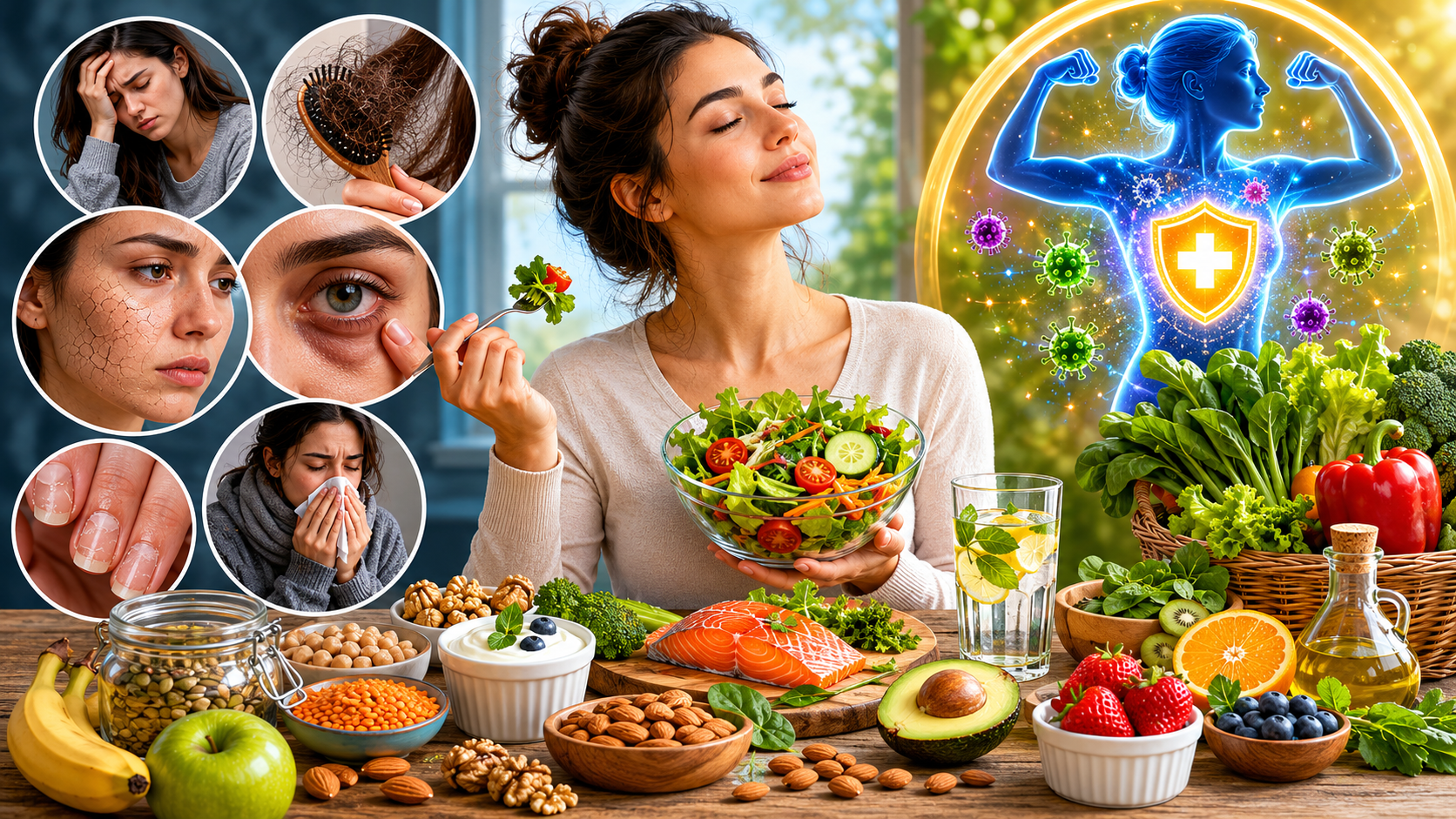
Common signs of poor nutrition and simple ways to improve overall health
Even if you’re eating regularly, there are a number of lifestyle habits that contribute to poor nutrition.
- Eating Too Many Processed Foods
Processed foods are typically low in nutrients and high in sugar, salt, and bad fats.
- Skipping Meals
Going without meals can cause a deficiency of nutrients and fluctuations in energy levels.
- Not Eating Enough Foods from Each Food Group
A consistent eating pattern may not make it possible to get all the minerals and vitamins you need.
- Busy Lifestyle
People may be tempted to choose fast food or unhealthy snacks rather than a well-balanced meal.
Fix Your Plate
There is no need for a complicated diet to improve nutrition. Little things can make a big difference.
Eat a Balanced Diet
Include food items from each of the food groups:
- Fruits and vegetables
- Whole grains
- Lean protein
- Healthy fats
A balanced diet means having the necessary nutrients in your system.
Eat Whole Foods
Fruits, vegetables, nuts, and grains are whole foods that offer greater nutrients than processed foods.
Stay Hydrated
Water is essential for digestion, metabolism, and skin health.
Plan Healthy Meals
Planning meals can help you stay healthy and avoid unhealthy food choices.
Listen to Your Body
Listen to your symptoms, such as fatigue, hair loss, or cravings. These signals might be a sign that your body is in need of improved nutrition.
Final Thoughts
Balanced meals, whole foods, and nutrient-rich ingredients are the keys to providing your body with the fuel it needs. A healthy diet doesn’t need to be difficult. There are many small things you can do in your everyday diet to boost your energy, immunity, mental health, and well-being. For a deeper dive into evidence-based nutrition guidance, the WHO nutrition guidelines are a trusted resource.
Frequently Asked Questions (FAQs)
Some of the initial symptoms of poor nutrition are fatigue, hair loss, brittle nails, dry skin, frequent illness, and poor concentration.
Yes, the brain can be affected by poor nutrition, and so can mood. Nutrient deficits can cause brain fog, impulsiveness, and fatigue.
The first step to better health is consuming more whole foods, adding fruits and vegetables to meals, drinking plenty of water, and cutting back on processed foods.
Within a few weeks, many people begin to feel the benefits of a balanced diet, such as increased energy and improved digestion.