
















When we talk about nutrition, most people focus on proteins, carbs, and fats. But micronutrients explained simply means understanding the small nutrients that play a huge role in keeping your body healthy every single day.
Micronutrients include vitamins and minerals that your body needs in very small amounts, yet their impact is massive. Even though you only need them in milligrams or micrograms, a deficiency can seriously affect your health, energy levels, and overall wellbeing.
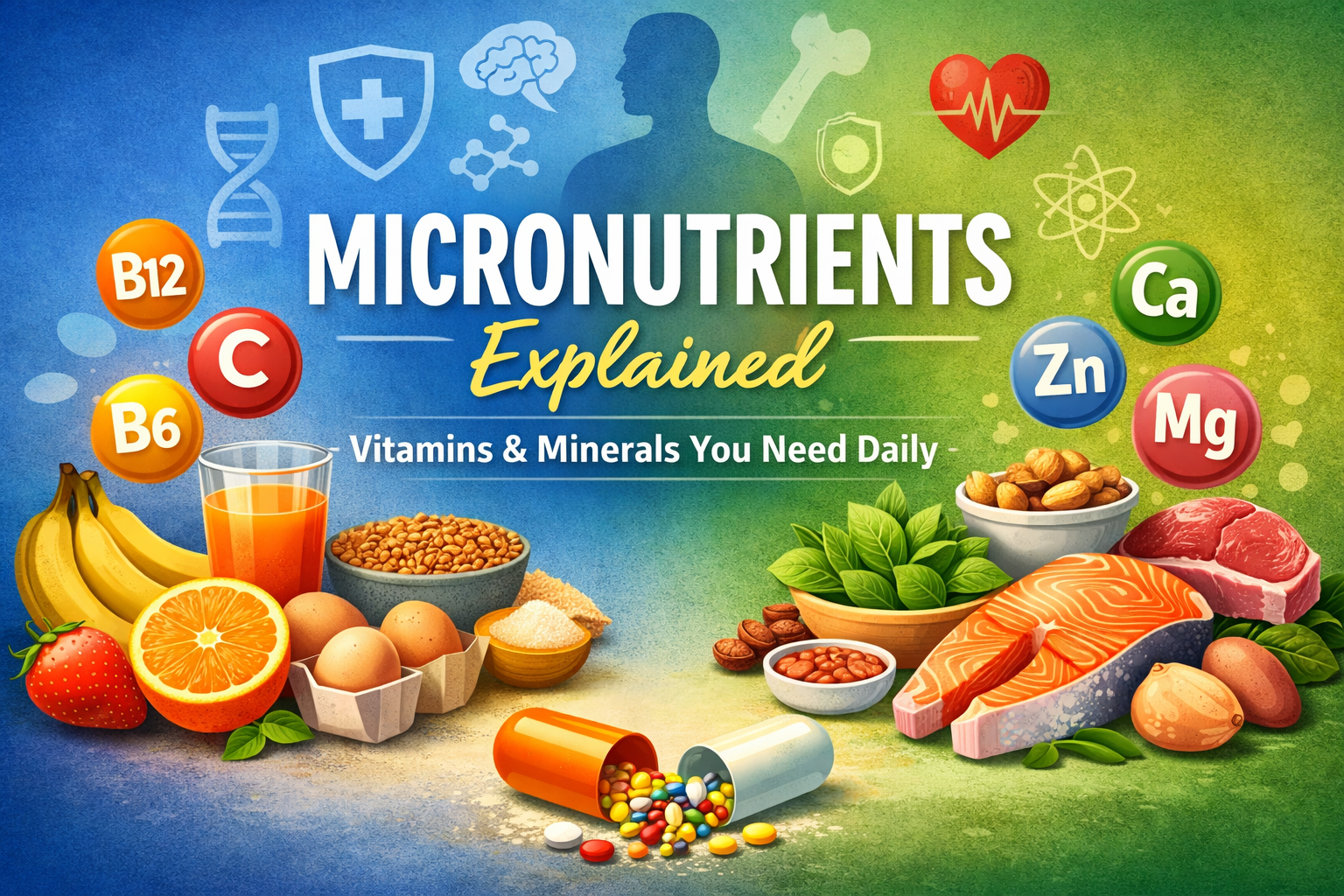
Daily essential vitamins and minerals for a healthy body
What Are Micronutrients?
Micronutrients are nutrients required in small quantities but are essential for proper body functioning. These include:
Vitamins
Minerals
Unlike macronutrients, which provide energy, micronutrients support processes like immunity, brain function, metabolism, and cell repair.
A simple way to understand it:
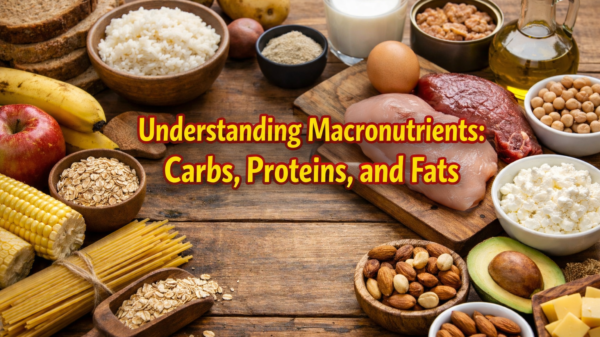
Macronutrients = Energy providers
Micronutrients = Body supporters
Without micronutrients, your body simply cannot perform daily functions efficiently.
Types of Micronutrients
Micronutrients are divided into two main categories:
1. Vitamins
2. Minerals
Let’s break them down in an easy way.
Vitamins: The Body’s Support System
Vitamins are organic compounds that help your body grow, repair, and stay healthy. They are sensitive to heat, light, and storage conditions.
Types of Vitamins
Water-Soluble Vitamins
These vitamins dissolve in water and are not stored in the body for long.
- Vitamin B1 (Thiamin)
- Vitamin B2 (Riboflavin)
- Niacin (B3)
- Vitamin B6
- Vitamin B12
- Folate
- Vitamin C
Fat-Soluble Vitamins
These are stored in the body’s fat tissues.
- Vitamin A
- Vitamin D
- Vitamin E
- Vitamin K
Key Water-Soluble Vitamins You Need Daily
Vitamin B1 (Thiamin)
Role: Helps convert food into energy and supports nerve function.
Sources: Whole grains, beans, rice, pork
Deficiency: Weakness, nerve issues, fatigue
Vitamin B2 (Riboflavin)
Role: Supports energy production and skin health
Sources: Dairy, eggs, green vegetables
Deficiency: Cracked lips, skin problems
Niacin (Vitamin B3)
Role: Supports metabolism and DNA repair
Sources: Meat, fish, grains
Deficiency: Skin issues, digestive problems
Vitamin B6
Role: Helps in protein metabolism and brain health
Sources: Bananas, chicken, potatoes
Deficiency: Mood changes, anaemia
Vitamin B12
Role: Essential for nerve health and red blood cells
Sources: Meat, dairy, eggs
Deficiency: Fatigue, memory issues
Folate (Vitamin B9)
Role: Important for cell growth and pregnancy health
Sources: Leafy greens, beans, citrus fruits
Deficiency: Anaemia, birth defects
Vitamin C
Role: Boosts immunity and helps iron absorption
Sources: Citrus fruits, tomatoes, peppers
Deficiency: Weak immunity, bleeding gums
Fat-Soluble Vitamins Explained
Vitamin A
Role: Vision, immunity, and skin health
Sources: Carrots, spinach, dairy
Deficiency: Night blindness
Vitamin D
Role: Bone health and calcium absorption
Sources: Sunlight, fish, eggs
Deficiency: Weak bones
Vitamin E
Role: Protects cells from damage
Sources: Nuts, seeds, oils
Deficiency: Rare but affects immunity
Vitamin K
Role: Blood clotting and bone health
Sources: Green vegetables
Deficiency: Bleeding problems
Minerals: The Body’s Building Blocks
Minerals are inorganic elements that your body needs for structure and function.
They are divided into:
Major Minerals
Needed in larger amounts
Calcium
Magnesium
Sodium
Potassium
Trace Minerals
Needed in very small amounts
- Iron
- Zinc
- Iodine
- Selenium
Copper
Important Minerals You Should Not Ignore
Calcium
Role: Strong bones and teeth
Sources: Milk, yogurt, leafy greens
Deficiency: Weak bones, fractures
Magnesium
Role: Muscle function and energy production
Sources: Nuts, seeds, whole grains
Deficiency: Muscle cramps, fatigue
Iron
Role: Carries oxygen in the blood
Sources: Meat, spinach, legumes
Deficiency: Anaemia, tiredness
Zinc
Role: Immunity and healing
Sources: Meat, seeds, grains
Deficiency: Hair loss, weak immunity
Iodine
Role: Supports thyroid function
Sources: Iodized salt, seafood
Deficiency: Weight gain, fatigue
Why Micronutrients Matter So Much
Even though micronutrients don’t give you calories, they are involved in:
- Energy production
- Brain function
- Hormone balance
- Immune defence
- Bone strength
A lack of even one nutrient can disturb your body’s balance.
Signs You May Be Deficient
Your body often gives signals when something is missing:
- Constant tiredness
- Hair fall
- Weak immunity
- Poor skin health
- Mood changes
- Slow healing
Ignoring these signs can lead to bigger health problems over time.
Best Way to Get Micronutrients
The best approach is simple and natural:
Eat a Variety of Foods
Include:
- Fruits and vegetables
- Whole grains
- Protein sources
- Dairy or alternatives
- Nuts and seeds
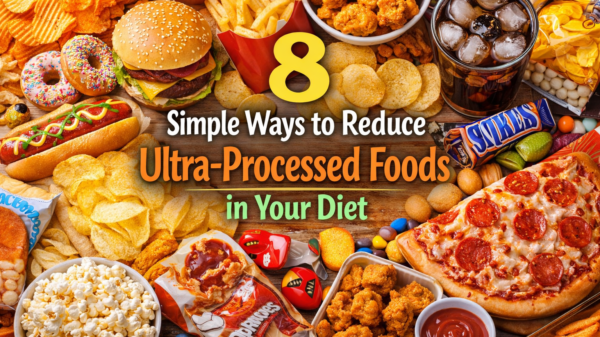
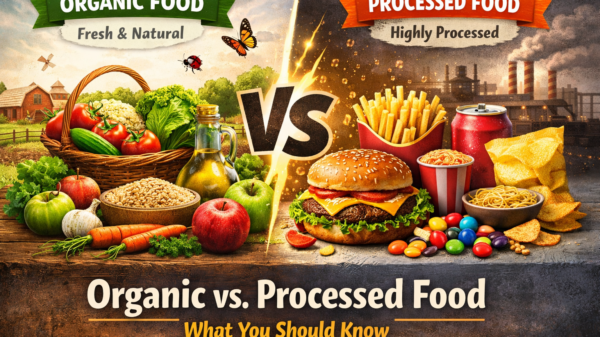
Avoid Over-Processing
Highly processed foods lose many essential vitamins and minerals.
Don’t Rely Only on Supplements
Food should always be your first source. Supplements are only needed when required.
Final Thoughts
Understanding micronutrients explained in simple terms helps you realize how important these small nutrients are for your daily health.
You don’t need a complicated diet plan. Just focus on eating balanced meals with natural foods. Every vitamin and mineral has its own role, and your body needs all of them to function properly.
Taking care of your micronutrient intake today means better health, energy, and strength in the long run.
Frequently Asked Questions(FAQs)
Micronutrients are vitamins and minerals your body needs in small amounts to stay healthy and function properly.
No, micronutrients don’t provide energy, but they help your body use energy from food.
Yes, a balanced and varied diet can provide all essential micronutrients.
Deficiencies can lead to fatigue, weak immunity, poor growth, and other health issues.
Not always. They are only needed if your diet lacks certain nutrients or if recommended.
Read More: Click here