





When was the last time you truly paid attention to your meal?
Not scrolling, not rushing, just eating.
For many people today, meals have become something to “fit in” between tasks. Fast food, large portions, and distracted eating have quietly become the norm. And when weight gain or low energy shows up, the first instinct is often to jump on a strict diet.
But here’s the truth: most diets don’t last.
They rely on restriction, cutting out favourite foods, and following rules that feel unnatural. And sooner or later, people fall back into old habits.
That’s where portion control changes everything.
Instead of telling you what not to eat, it teaches you how much your body actually needs. It’s flexible, realistic, and sustainable, making it far more powerful than any temporary diet plan.
Let’s explore why portion control works, and how it can completely change your relationship with food.
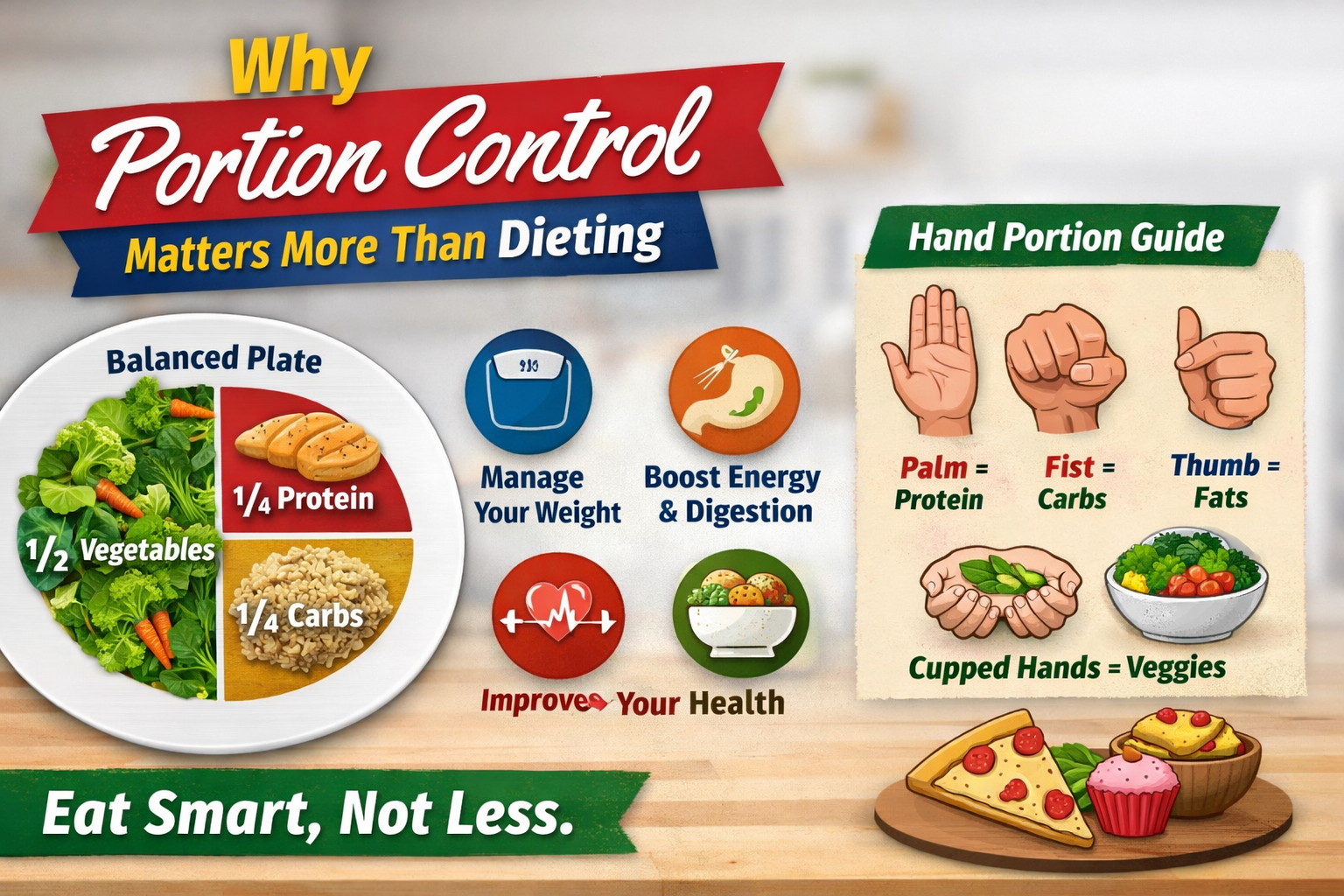
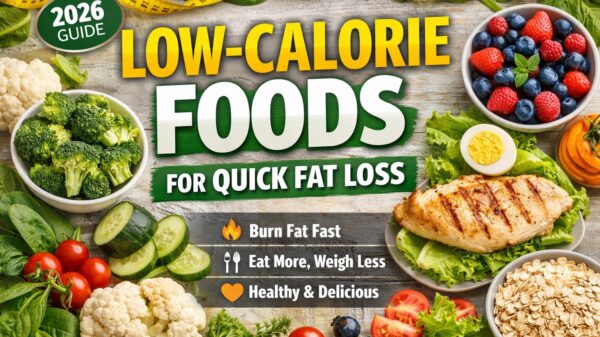
Balanced meals with proper portion control help maintain a healthy lifestyle without strict dieting.
What Portion Control Really Means
Many people think eating healthy means giving things up, sugar, carbs, snacks, or favourite meals. But real balance doesn’t come from restriction. It comes from awareness.
Portion control is simply about eating the right amount of food for your body’s needs.
It doesn’t mean saying goodbye to pizza, dessert, or traditional meals. It means enjoying them in a way that supports your health instead of harming it.
Freedom Instead of Restriction
Unlike strict dieting, portion control doesn’t label foods as “good” or “bad.” That mind-set often leads to guilt and binge eating.
When you focus on portions:
- You stop fearing food
- You enjoy meals without guilt
- You naturally eat in balance
This approach rebuilds trust between you and your body. You begin to recognize real hunger, and more importantly, real fullness.
Over time, this awareness leads to better decisions without feeling forced.
Calories and Energy: Why Quantity Matters Most
Every food you eat provides energy, which your body measures in calories.
The basic rule is simple:
- Eat more calories than you burn → weight gain
- Eat fewer calories than you burn → weight loss
And this is where portion control becomes crucial.
It’s Easy to Overeat, Even Healthy Foods
People often assume that “healthy” foods can be eaten freely. But that’s not entirely true.
Foods like:
- Nuts
- Smoothies
- Rice dishes
- Avocado-based meals
are nutritious, but also calorie-dense.
Eating large amounts, even of healthy foods, can still lead to weight gain.
Portion control keeps your intake balanced without forcing you to eliminate these foods completely.
Consistency Beats Restriction
Strict diets may give fast results, but they are hard to maintain. Portion control, on the other hand, creates small, consistent changes, and those are what truly last.
How Portion Sizes Became a Problem
Portions weren’t always this big.
Over the past few decades, serving sizes have quietly increased, especially in restaurants and packaged foods.
What used to be considered “normal” is now much larger than what the body actually needs.
The Rise of “Portion Distortion”
Today, large servings feel normal because we see them everywhere:
- Value meals
- Buffet culture
- Oversized plates
- Social media food trends
This shift has created what experts call portion distortion, where people lose track of what a proper serving looks like.
As a result, overeating happens without even realizing it.
The Hidden Impact
These slightly larger portions, repeated daily, lead to:
- Gradual weight gain
- Low energy
- Increased health risks
The change is slow, which makes it even harder to notice.
That’s why learning portion control is so important. It brings awareness back into your daily eating habits.
The Real Benefits of Portion Control
Portion control isn’t just about weight, it improves your overall health and lifestyle.
Here are some of the biggest benefits:
1. Sustainable Weight Management
Most diets fail because they are too restrictive.
The moment you stop following them, weight often comes back.
Portion control works differently.
It allows you to:
- Eat all types of foods
- Maintain balance
- Stay consistent long-term
You’re not relying on willpower alone, you’re building a habit.
This makes weight loss slower, but much more stable and lasting.
2. Better Digestion and Energy
Large meals can leave you feeling heavy, tired, and uncomfortable.
When you eat in proper portions:
- Your digestion improves
- You feel lighter
- Energy levels stay steady
Instead of experiencing energy crashes, your body stays balanced throughout the day.
Smaller, well-balanced meals reduce strain on your digestive system and help you feel more active.
3. Reduced Risk of Health Issues
Overeating regularly can lead to serious long-term problems such as:
- High cholesterol
- Blood sugar imbalance
- Heart-related issues
Portion control helps prevent this by keeping your intake within healthy limits.
It supports:
- Stable blood sugar
- Healthy metabolism
- Better overall wellness
Even small changes, like eating slightly less at each meal, can have a big impact over time.
Simple Ways to Practice Portion Control Daily
Changing eating habits doesn’t require extreme rules.
Small, practical steps can make a big difference.
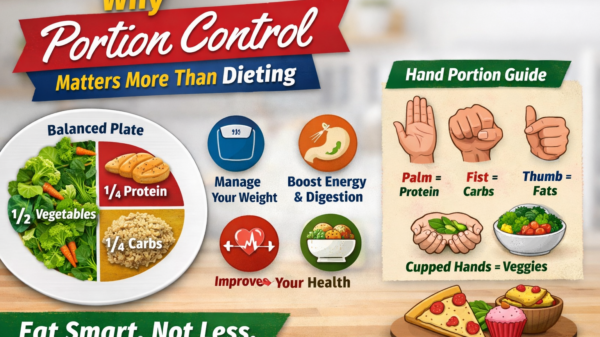
1. Use Your Hand as a Guide
You don’t need measuring tools to control portions.
Your hand can be a simple reference:
- Palm = protein
- Fist = carbs or grains
- Thumb = fats
- Two hands = vegetables
This method naturally adjusts based on your body size, making it easy and practical.
2. Follow the Plate Method
A balanced plate is one of the easiest ways to control portions.
Try this simple structure:
- Half plate = vegetables
- Quarter = protein
- Quarter = carbs
This keeps your meals nutritious while preventing overeating.
Using a slightly smaller plate can also help you feel satisfied with less food.
3. Slow Down While Eating
Eating too fast is one of the biggest reasons people overeat.
Your brain needs time to register fullness.
Simple habits can help:
- Take smaller bites
- Chew properly
- Pause midway through your meal
When you slow down, you naturally eat less without feeling deprived.
4. Avoid Distractions
Eating while watching your phone or TV can lead to mindless overeating.
When you’re distracted:
- You don’t notice how much you eat
- You miss fullness signals
Try focusing only on your meal. Even a few mindful bites can make a difference.
Handling Real-Life Challenges
Life isn’t perfect, and neither are eating habits.
Here’s how to stay on track in everyday situations:
Eating Out
Restaurant portions are often much larger than needed.
You can:
- Share your meal
- Order smaller portions
- Pack half for later
This way, you still enjoy your food without overeating.
Social Gatherings
At events, it’s easy to over-snack.
To stay balanced:
- Eat something light beforehand
- Take smaller servings
- Focus on conversation instead of food
- Enjoy the moment, not just the plate.
Emotional Eating
Stress and emotions often lead to unnecessary eating.
Before reaching for food, pause and ask: “Am I actually hungry?”
If not, try alternatives like:
- A short walk
- Deep breathing
- Writing your thoughts
This helps separate emotional needs from physical hunger.
The Mind-Body Connection
One of the biggest benefits of portion control is awareness.
When you start paying attention:
- You recognize true hunger
- You stop when satisfied
- You feel more in control
This removes the “all or nothing” mind-set created by diets.
Instead of feeling like you failed, you simply adjust and move forward.
Over time, this creates a healthier and more peaceful relationship with food.
Final Thoughts: A Lifestyle That Actually Works
Healthy eating doesn’t have to be complicated.
It doesn’t require strict rules, expensive plans, or giving up everything you enjoy.
Portion control is simple:
- Eat what you love
- Eat in the right amount
- Stay consistent
It fits into real life, family meals, celebrations, and everyday routines.
Small changes like:
- Using smaller plates
- Eating slowly
- Listening to your body
can create long-term results without stress.
If you ever feel confused or stuck, speaking to a nutrition expert can help guide you in the right direction.
But remember, real change doesn’t come from extreme diets.
It comes from small, mindful habits you can follow every day.
And that’s exactly why portion control matters more than dieting.
Frequently Aske Questions (FAQs)
Portion control means eating the right amount of food your body needs instead of overeating. It doesn’t restrict specific foods, it focuses on quantity so you can maintain balance without feeling deprived.
Yes, you can. Weight loss mainly depends on calorie balance. By controlling portions, you naturally reduce calorie intake without following strict diets, making weight loss more sustainable.
In most cases, yes. Dieting often involves restrictions that are hard to maintain long-term. Portion control is flexible, easier to follow, and helps build lifelong healthy eating habits.
Not necessarily. It means eating appropriate amounts. You may even eat more volume by including low-calorie foods like vegetables while reducing high-calorie portions.
Absolutely. Portion control allows you to enjoy all foods, including desserts and snacks, but in moderation. This makes it easier to stay consistent without feeling restricted.
Results vary, but with consistent portion control, many people start noticing changes in a few weeks. The key is consistency rather than quick results.
Read More: Click Here