

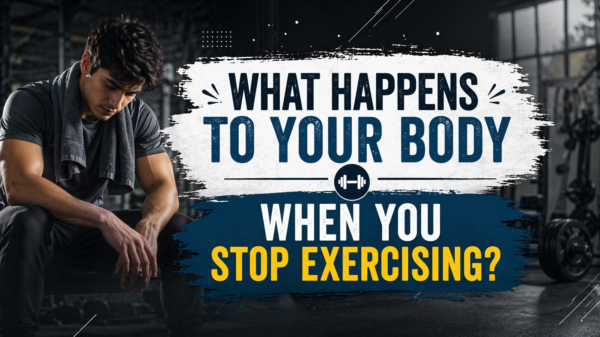












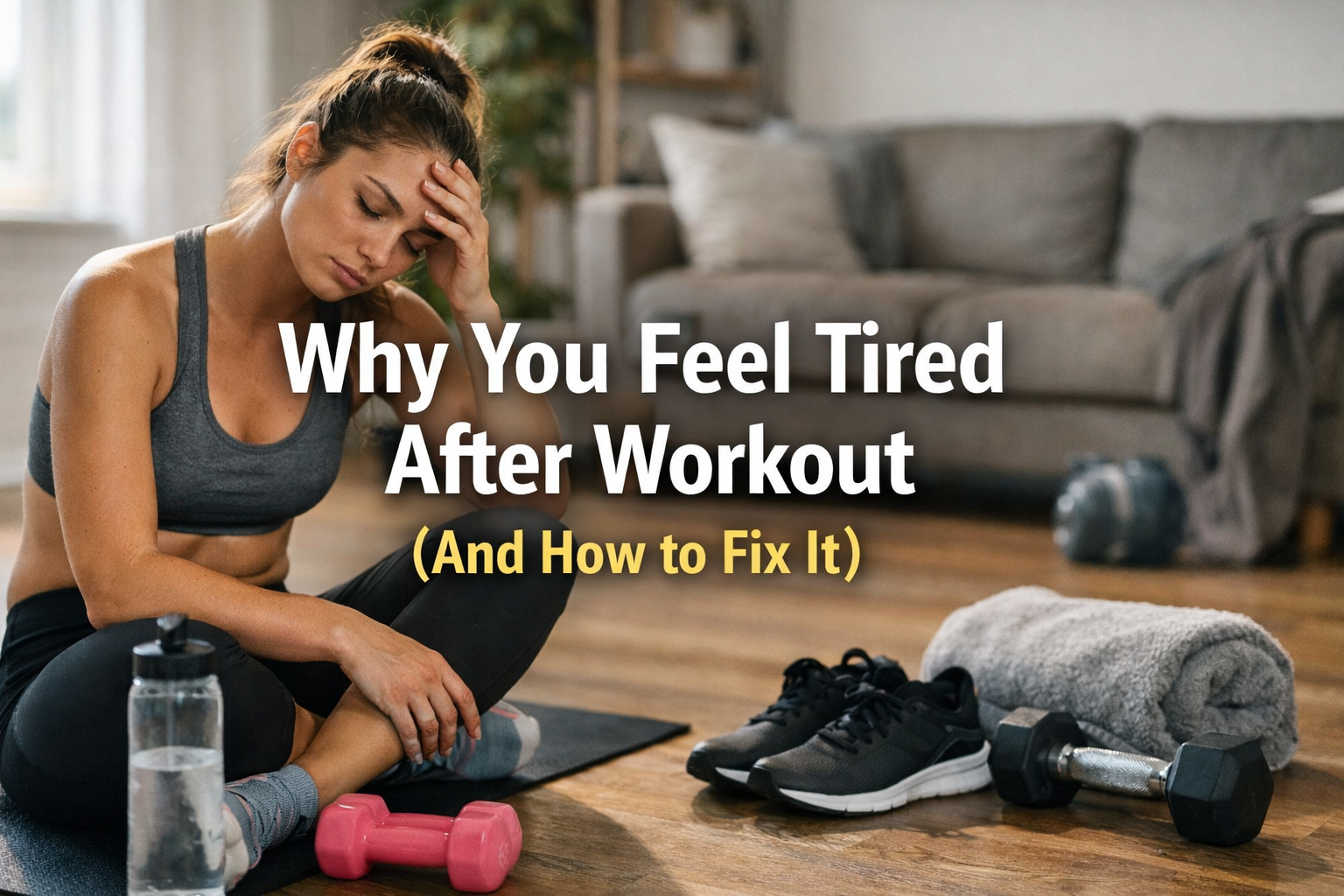
Feeling exhausted after exercise isn’t a sign of a great workout. It’s a warning sign.
Feeling tired after a workout is completely normal. Actually, it is usually an indication that your body is working hard and getting used to new challenges. Sweat, slight pain, and temporary exhaustion are all a part of the process, particularly when you are not accustomed to fitness. If you are just starting, check out these best home workouts for beginners that are easy on your body.
But there is a huge distinction between wholesome fatigue and moribund fatigue. When you feel totally exhausted, weak, or incapable of functioning normally after your workouts, your body may be attempting to inform you about something of significance.
We will dissect in this article why you feel tired after workouts, when it is normal, when it is not, and most importantly, how to fix it.
Normal fatigue after a workout is normal, but intense fatigue can be an indication of poor recovery, dehydration or overtraining.
Is It Normal to Feel Tired After a Workout?
Yes, but not more than to a certain extent.
When you exercise, your body consumes energy, breaks down the muscle fibres, and even loses fluids through sweat. This will automatically result in transient fatigue. Ordinarily, this sort of fatigue:
-
Lasts a few hours or up to one night
-
Performs better after taking a rest and sleeping.
-
Improves with adequate hydration and nutrition.
Also, within 1-3 days, you might experience muscle soreness, called delayed onset muscle soreness (DOMS). This, too, is a normal process of healing.
However, when your exhaustion seems to be overwhelming, long-lasting, or affects your daily life, then it is not something that you should overlook.
Symptoms: Your Post-Workout Tiredness Is Not the Norm
Severe fatigue is beyond mere fatigue. Be on the lookout for the following warning signs:
-
Persistent weakness
-
Nausea or dizziness
-
Headaches
-
Persistent pain in muscles or joints.
-
Reduction in exercise performance.
-
Acute or bizarre pain.
-
Problems with performing everyday activities (walking or using stairs, etc.)
-
Difficulty in staying alert or focused.
When you find these symptoms regularly, then you may find that your body is not healing properly.
1. You are Overworking Yourself
One of the most common reasons for extreme fatigue is overexertion. When you make your body work beyond normal limits, it will find it difficult to recuperate.
In some extreme instances, overtraining may even cause a severe disease in which muscle tissue degenerates regardless. Although it is not common, it serves to emphasise the importance of not pushing your body beyond its limits.
How to Fix It
-
Gradually increase workout intensity
-
Do not make radical, sharp modifications in routine.
-
When you experience soreness, opt to engage in low-impact exercises.
-
Concentrate on consistency rather than intensity.
Keep in mind: Fitness is not a race, but rather a long-term process. You might also find it helpful to follow a healthy workout routine to lose weight naturally that balances effort and recovery.
2. You Overtrain and Do Not Rest Enough
Overtraining is when you work more than your body can recuperate. It may occur over time or even following some of the intense sessions.
To repair the muscles, to replenish energy and to remain balanced, your body needs rest. Without it, fatigue builds up quickly.
Typical Overtraining Symptoms
-
Constant tiredness
-
Poor sleep
-
Change in mood or irritability.
-
Reduced performance
-
Ongoing soreness
How to Fix It
-
Have at least 1 complete rest day per week.
-
Give 24-48 hours of rest to each group of muscles.
-
Make 7-9 hours of good sleep a priority.
-
You need to listen to your body rather than impose exercises on it.
3. You are Not Taking a Sufficient Amount of Water
When you are exercising, your body loses fluids by sweating. Failure to replace these fluids can cause dehydration, which may soon result in fatigue.
Even a small dehydration can impact your energy levels, concentration, and performance.
Signs of Dehydration
-
Dizziness
-
Headaches
-
Reduced sweating
-
Dark urine
-
Fatigue and weakness
How to Fix It
-
Consume water before, during and after exercises.
-
Wait, not till you are thirsty.
-
Consume more water during warm seasons.
Having proper hydration can simply make a huge difference in how you feel after exercising.
4. You Are Not Eating the Right Foods
Your body requires fuel to work and recuperate. Without eating enough or eating the right nutrients, your energy levels will decrease.
Low blood sugar may also result in fatigue, shakiness, and weakness following workouts. Interestingly, this is quite similar to why you feel tired after eating; both are related to blood sugar and energy management.
How to Fix It
-
Eat a healthy diet including carbs, protein and healthy fats.
-
Have a light snack before your workout
-
Post exercise: Refuel using healthy carbohydrates.
-
Avoid skipping meals
Consider food as fuel and not an enemy.
5. Poor Recovery Habits
Rest is as essential as exercise. Unless you take steps for recovery, your body remains in a fatigued condition.
How to Fix It
-
Stretch after workouts
-
Take warm showers or baths
-
Attempt light exercise (such as walking) on rest days.
-
Think about having a massage now and then.
6. You Could Be Having Pre-existing Health Problems
Extreme fatigue is not always about exercise; sometimes it can be associated with some underlying health issue.
When to Visit a Doctor
Medical advice should be sought in case of the following:
-
Shortness of breath
-
Chest pain
-
Severe or chronic fatigue.
-
Confusion or dizziness
-
Heart palpitations
-
Nausea or vomiting
It’s always better to be safe than sorry.
How to Prevent Getting Tired After Exercises
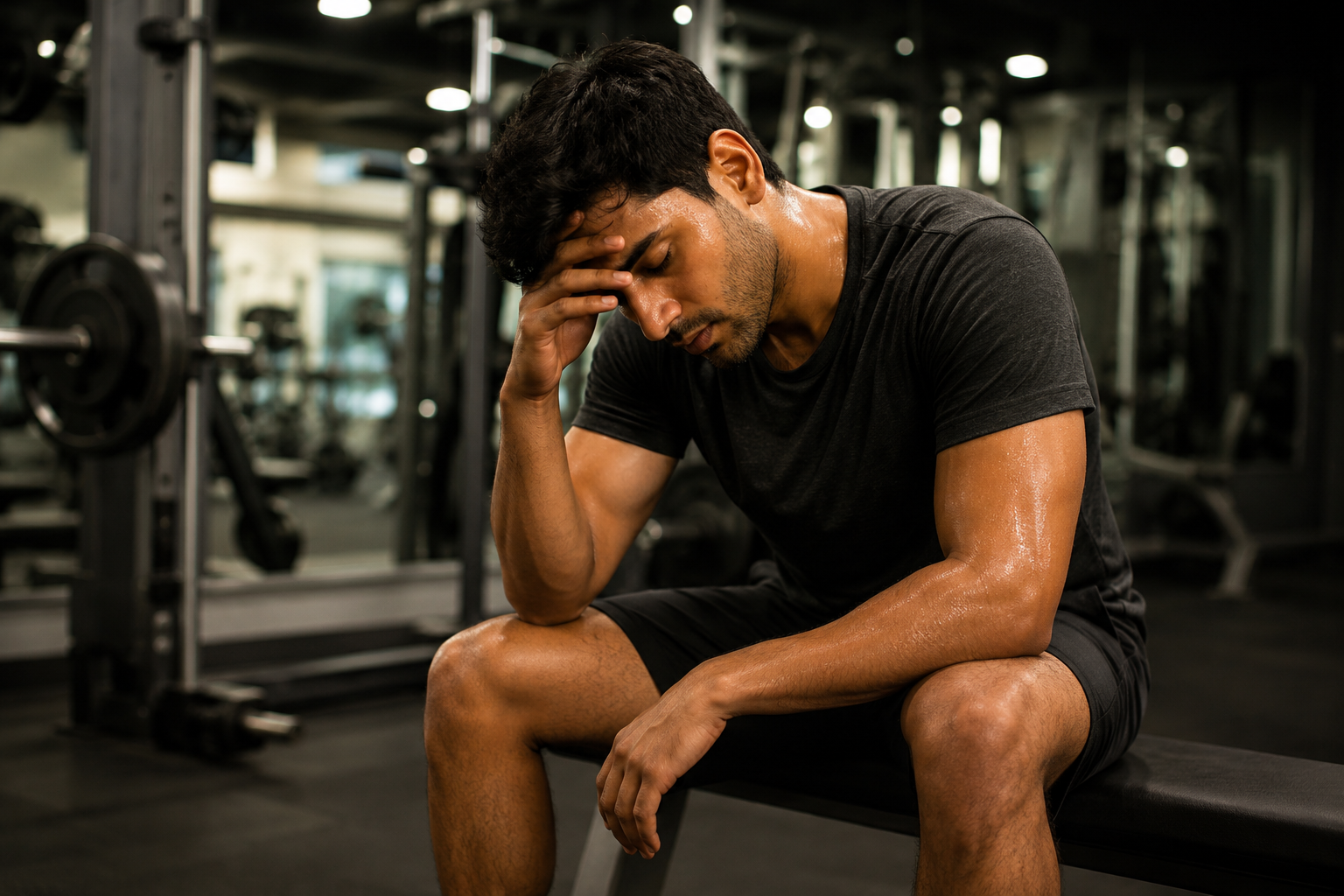
A man resting in the gym after a challenging workout session.
This is a short checklist to make sure that your energy level is balanced:
✅ Do This
-
Begin slowly and develop slowly.
-
Stay hydrated
-
Have the right food before and after exercises.
-
Get enough sleep
-
Have frequent rest days.
❌ Avoid This
-
Overtraining
-
Skipping meals
-
Ignoring body signals
-
Exercising on zero energy
Conclusion
It is all well to feel slightly tired after a workout, but excessive tiredness is not.
The human body is in constant communication with you. When you are tired, feeling weak, or cannot improve, it is an indication that something needs to change, either your workout intensity, eating habits, fluid consumption or sleep. If weight loss is also your goal, these effective weight loss tips can help you stay on track without burning yourself out.
It is not the harder you push that makes you fit, it is the smarter you train. And if you are unsure about what is fact or fiction in fitness, it helps to read about common fitness myths so you are not misled.
Make your body listen to you, treat it well, and you will start working out, and you will not feel exhausted.
Frequently Asked Questions (FAQs)
1. Is it common to get extremely tired after a workout?
A little muscle weariness following a workout is usual, particularly when you are new to workouts. But excessive fatigue is not usual and could be a sign of overtraining, improper diet, or insufficient rest.
2. What is the duration of workout fatigue?
Normal fatigue normally takes a few hours or even a night. After a good sleep, your energy levels should return to normal. In case of fatigue taking several days, then it might be an indication that your body is not healing in the right way.
3. Why do I get weak and dizzy after exercise?
This may be as a result of dehydration, low blood sugar or overwork. Ensure you are taking in a sufficient amount of water and you are eating appropriately before and after exercising.
4. What is the food I should take to prevent fatigue after a workout?
You ought to consume a balanced diet, which contains carbohydrates, protein, and healthy fats. A light snack such as fruit, yoghurt, or a smoothie following a workout can help to restore energy levels.
5. Do you think overtraining leaves you forever tired?
Yes, one of the primary reasons for persistent exhaustion is overtraining. It occurs when you fail to accord your body ample time to rest and recuperate between workouts.f





Pingback: Understanding Macronutrients: Carbs, Proteins, and Fats - Healthy Life Set