






In today’s fast-moving world, convenience often takes priority over health. Ready-to-eat meals, packaged snacks, and fast food have become a regular part of daily life. However, as awareness around nutrition grows, more people are starting to question what they eat.
This has led to an ongoing debate: organic vs processed food.
- Which one is healthier?
- Which one is better for the environment?
- And most importantly, what should you choose?
This article will help you understand everything you need to know about organic and processed foods so you can make smarter, healthier decisions.
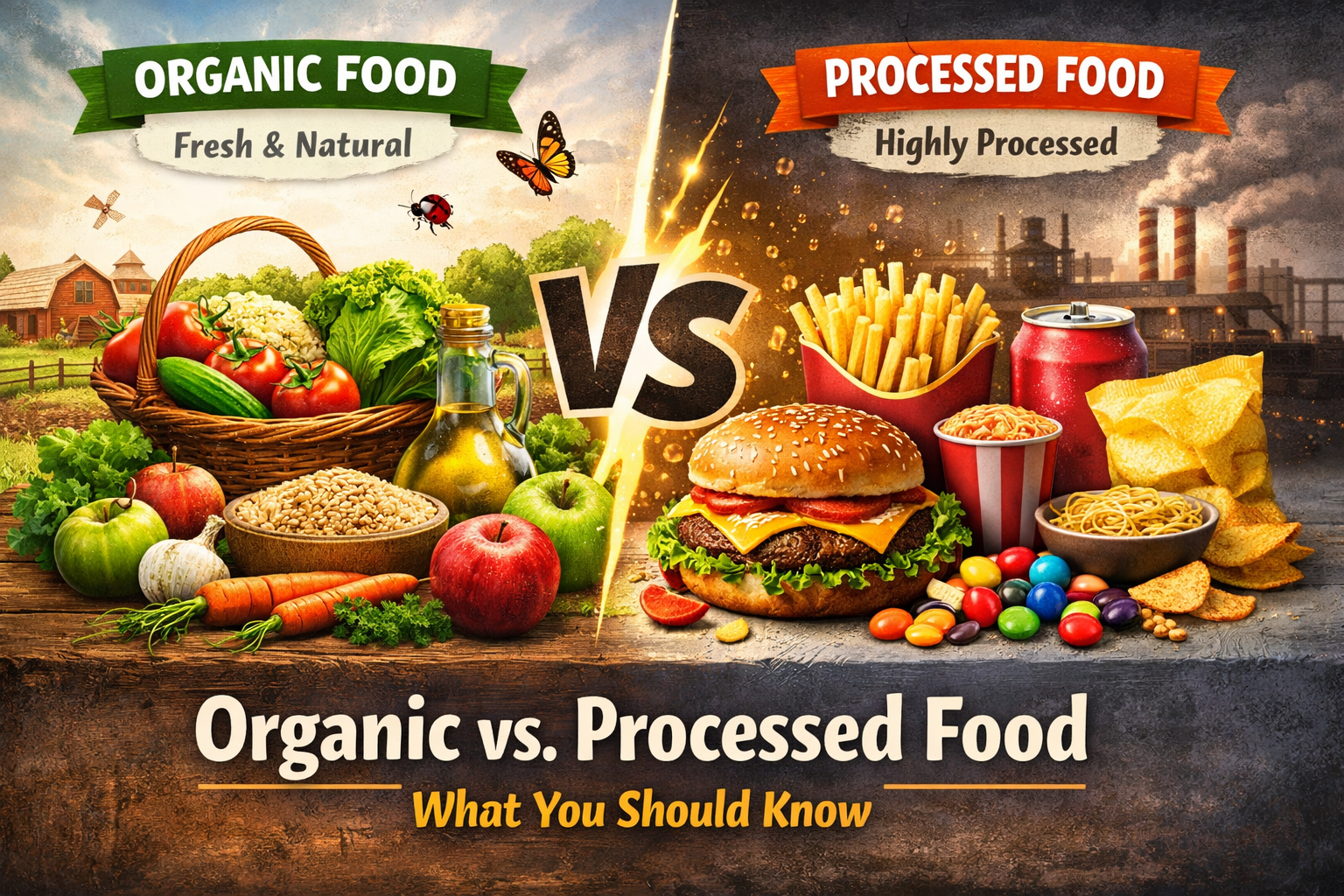
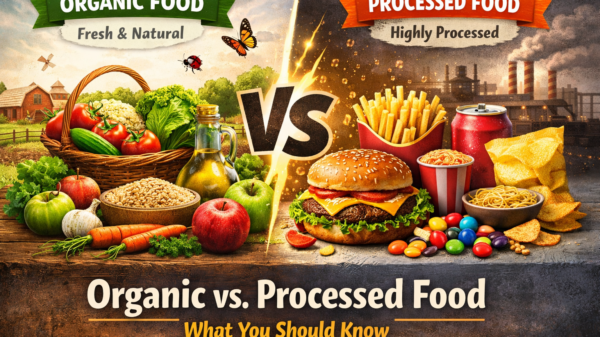
This image shows a side-by-side comparison of organic foods like fresh fruits and vegetables versus processed foods such as chips and packaged snacks, highlighting differences in nutrition and health impact.
What is Organic Food?
Organic food refers to products that are grown and produced using natural methods. These foods are cultivated without:
- Synthetic pesticides
- Chemical fertilizers
- Genetically modified organisms (GMOs)
- Artificial additives or preservatives
Organic farming focuses on maintaining soil health, biodiversity, and ecological balance.
Key Characteristics of Organic Food
- Grown using natural fertilizers like compost
- No synthetic chemicals or sprays
- Free from artificial colours and preservatives
- Often fresher and less processed
Is Organic Food Really Healthier?
This is one of the most common questions, and the answer is: it depends, but often yes.
Organic food is considered healthier mainly because it reduces your exposure to harmful substances. While the difference in nutrients may not always be huge, the quality of food is often better.
Why People Prefer Organic Food
- Fewer chemical residues
- More natural production methods
- Better for long-term health
- Supports sustainable farming
Choosing organic doesn’t mean perfection, but it’s a step toward cleaner eating.
Health Benefits of Organic Food
Switching to organic food is often motivated by health concerns. Let’s look at some of its key benefits.
1. Higher Nutritional Value
Some studies suggest that organic foods may contain:
- More antioxidants
- Higher levels of vitamins
- Better mineral content
These nutrients help strengthen the immune system and improve overall health.
2. Reduced Exposure to Chemicals
Conventional farming uses pesticides and chemicals that may leave residues on food. Over time, these can impact health.
Organic food helps reduce exposure to:
- Synthetic pesticides
- Growth hormones
- Antibiotics
3. Supports Better Digestion
Organic food is often less processed and more natural, which makes it easier for the body to digest and absorb nutrients.
4. Lower Risk of Chronic Diseases
Eating clean, natural foods may reduce the risk of:
- Heart disease
- Obesity
- Type 2 diabetes
Environmental Benefits of Organic Food
Organic farming is not just good for your body, it’s also good for the planet.
1. Protects Soil Health
Organic farming improves soil fertility naturally, keeping it rich and productive for longer.
2. Promotes Biodiversity
It supports:
- Natural ecosystems
- Beneficial insects
- Wildlife habitats
3. Reduces Pollution
Since no harmful chemicals are used, organic farming prevents:
- Water contamination
- Soil degradation
- Air pollution
4. Lower Carbon Footprint
Organic farming often uses less energy and produces fewer greenhouse gases.
The Role of Organic Food in a Balanced Diet
Adding organic foods to your diet can significantly improve your overall well-being.
Nutritional Benefits
Organic foods provide essential nutrients that support:
- Energy levels
- Immunity
- Brain function
- Cleaner Eating
By avoiding chemicals, you’re giving your body a chance to function more naturally.
Better Taste and Quality
Many people feel that organic food tastes fresher and more flavorful due to natural growing methods.
What is Processed Food?
Processed food refers to any food that has been altered from its natural state.
This includes:
- Cooking
- Freezing
- Packaging
- Adding preservatives
Not all processed foods are bad, but the level of processing matters.
Types of Processed Food
1. Minimally Processed Foods
- Washed fruits
- Cut vegetables
- Frozen items
These are generally healthy.
2. Moderately Processed Foods
- Canned foods
- Cheese
- Fresh bread
These can still be part of a healthy diet.
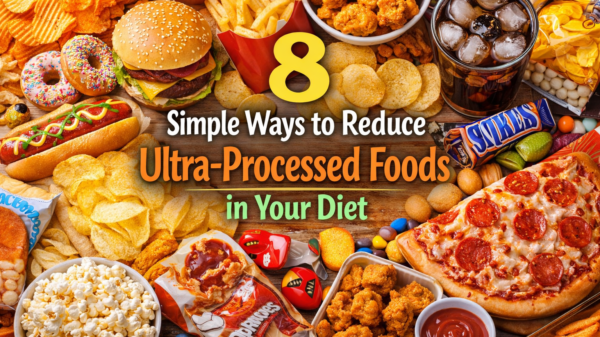
3. Ultra-Processed Foods
- Chips
- Soft drinks
- Instant noodles
- Packaged snacks
These are often high in:
- Sugar
- Salt
- Unhealthy fats
Concerns with Processed Food
Highly processed foods can negatively impact health when consumed regularly.
1. High in Calories, Low in Nutrition
Most processed foods provide:
- Empty calories
- Little to no nutrients
2. Increased Risk of Diseases
Regular consumption is linked to:
- Obesity
- Heart disease
- Type 2 diabetes
3. Artificial Additives
Processed foods often contain:
- Preservatives
- Flavour enhancers
- Artificial colours
These may have long-term health effects.
4. High Sugar and Sodium Content
Excess sugar and salt can lead to:
- High blood pressure
- Weight gain
- Metabolic issues
Organic vs Processed Food: Key Differences
1. Nutritional Value
Organic food: Rich in nutrients
Processed food: Often nutrient-poor
2. Chemical Exposure
Organic food: Minimal to none
Processed food: High in additives
3. Shelf Life
Organic food: Shorter shelf life
Processed food: Longer due to preservatives
4. Health Impact
Organic food: Supports long-term health
Processed food: May increase disease risk
5. Environmental Impact
Organic food: Eco-friendly
Processed food: Higher environmental impact
Nutritional Comparison: Organic vs Processed Foods
Higher Nutrients in Organic Foods
Organic foods are often grown in healthier soil, leading to better nutrient content.
Lower Nutrient Density in Processed Foods
Processing removes fiber and essential nutrients, leaving behind empty calories.
Presence of Additives
Processed foods include:
- Artificial flavours
- Preservatives
- Chemical stabilizers
Natural Nutrient Preservation
Organic foods maintain their natural nutritional profile due to minimal processing.
Balancing Health and Convenience
Let’s be realistic, organic food isn’t always accessible or affordable for everyone.
What You Can Do
Choose organic for high-risk foods (like fruits & vegetables)
Prefer whole foods over packaged items
- Read labels before buying
- Cook more meals at home
- Smart Tips to Eat Healthier
- Buy seasonal produce
- Avoid ultra-processed snacks
- Drink more water instead of sugary drinks
- Focus on whole foods
Conclusion
The debate between organic and processed food is not about choosing extremes, it’s about making better everyday decisions.
Organic food offers:
- Cleaner nutrition
- Fewer chemicals
- Environmental benefits
Processed food, especially ultra-processed, should be consumed in moderation.
At the end of the day, the goal is simple:
👉 Eat more natural, whole foods
👉 Reduce heavily processed items
Small changes in your diet can lead to big improvements in your health.
Frequently Asked Questions (FAQs)
Not completely, but it avoids synthetic chemicals and uses natural alternatives.
No. Minimally processed foods can still be healthy. The problem is with ultra-processed foods
Because it requires more labour, natural farming methods, and lower production volume.
Yes, if consumed in moderation and balanced with whole foods.
It can help indirectly by promoting cleaner eating habits.
Start small, buy organic for essential items and avoid unnecessary packaged foods.
Read More: Click Here