









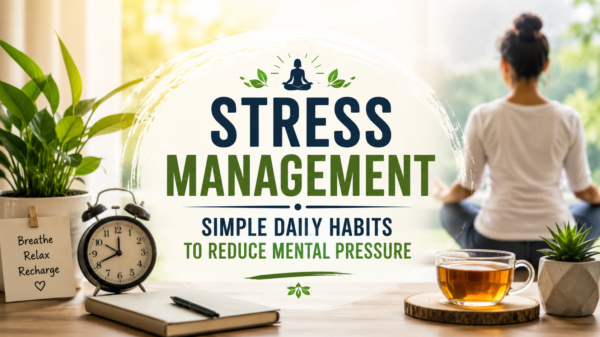



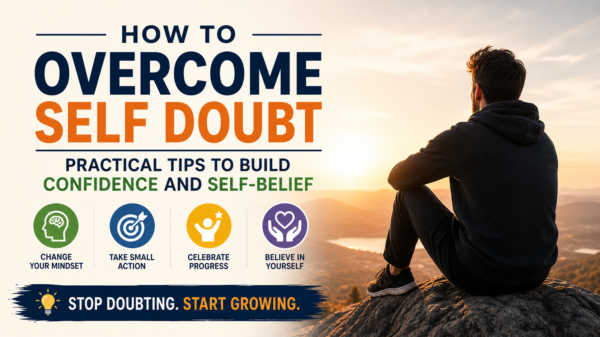
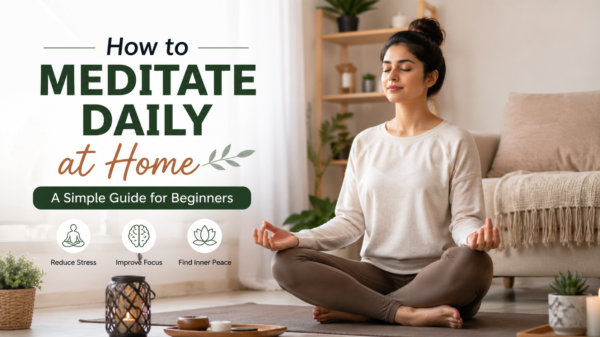


We all have those days when everything feels a bit gray. Ever notice how a small change in routine can shift your whole mood?
Sadness or depression is a common issue. Ever notice how a small change in routine can shift your whole mood? Ever notice how a small change in routine can shift your whole mood? mon feeling experienced by many. There can be many natural ways to deal with low moods when life is stressful, overwhelming, or unpredictable, and can leave us feeling drained or emotionally low. Low moods can be normal from time to time, but if there is low energy or low mood all the time, it can impact their day-to-day life. Thankfully, there are healthy approaches to dealing with a low mood, and simple tweaks to your daily routine, like rethinking your morning coffee, can help. Talking to a family member or friend can also be very helpful for mental health at times.
Understanding Low Mood
A low mood is not depression, but can be distressing. The ability to identify symptoms and take appropriate action can prevent them from getting out of control. The following are common signs of a low mood: When you’re feeling down, you might experience one or more of the following:
- Moodiness, worry, or irritability
- Fatigue or difficulty sleeping, unusual sensations of tiredness
- Feeling irritated, frustrated, and angry
- Lack of self-confidence or self-esteem
- Reduced motivation for tasks that are typical of their interests
A gloomy mood tends to lift after a couple of days or weeks. If it continues, it is important to discuss supportive measures and coping strategies, however.
What is a low mood?
Low mood is a passing state of sadness, lack of energy, and/or lack of motivation that typically passes in a few days, but sometimes longer. This happens when a low mood becomes depression. This is when low mood progresses to depression. At times, a low mood can persist for more than a couple of weeks and can become depressive. Depression is not just sadness and can affect your general health.
Symptoms of Depression
Some of the warning signs of depression are:
- Losing interest or pleasure in most activities, feeling hopeless, worthless, or guilty.
- Inability to focus or to make decisions.
- Altered sleep and eating patterns, thoughts of self-harm or suicide.
If you experience these symptoms, it’s essential to seek professional help immediately. Early intervention can help avoid additional emotional stress and better recovery.
Welcome to the Natural Approach to Boosting Your Mood
Welcome to the natural way to improve your mood. One can support mental health in a natural way in numerous ways. Coping strategies for low mood – a natural approach. These include self-care, lifestyle changes, and emotional resilience strategies.
1. Express Your Emotions
It’s important to express emotions to ease the burden and provide perspective. You can:
- Talk to someone you know and trust (family member or friend), or seek help from a counsellor or mental health specialist.
- Don’t assume that talking will solve all problems. Sometimes it is enough to be listened to to make your mind lighter and calmer.
2. Prioritize Sleep
There is a direct link between sleep and mood and mental health. Poor sleep can cause irritability, anxiety, and stress. These are some tips for better sleep:
- Maintaining a regular bedtime routine and rising at a consistent time each morning. Having a consistent bedtime and getting up schedule.
- Avoid caffeine and electronics before bedtime.
- Creating a relaxing bedtime routine, such as reading or listening to soft music
Any improvement in sleep, which is beneficial to mood and energy level.
3. Exercise Regularly
Exercise releases endorphins, natural mood enhancers. It can also help alleviate anxiety and stress and boost self-esteem. Consider:
- Walking or jogging outside for 20-30 minutes.
- Yoga or stretching to help with relaxation, social interaction, and motivation with group fitness classes.
Consistency is the key. Any activity that gets you moving can boost your emotional health, even if you are only moving around a little each day.
4. Be Active and Engaged in Physical Activity
Foods can make you feel better or worse. Brain-healthy foods include foods that are high in nutrients such as omega-3 fatty acids, vitamins, and minerals. Focus on:
- Fruits and vegetables for essential vitamins,
- Whole grains for sustained energy. Whole grains are a source of sustained energy.
- The amount of protein from non-meat sources, such as fish, eggs, or legumes, and keeping hydrated all day long.
- Minimizing sugar, caffeine, and processed foods, because they may lead to energy lows and mood swings.
5. Practice Mindfulness
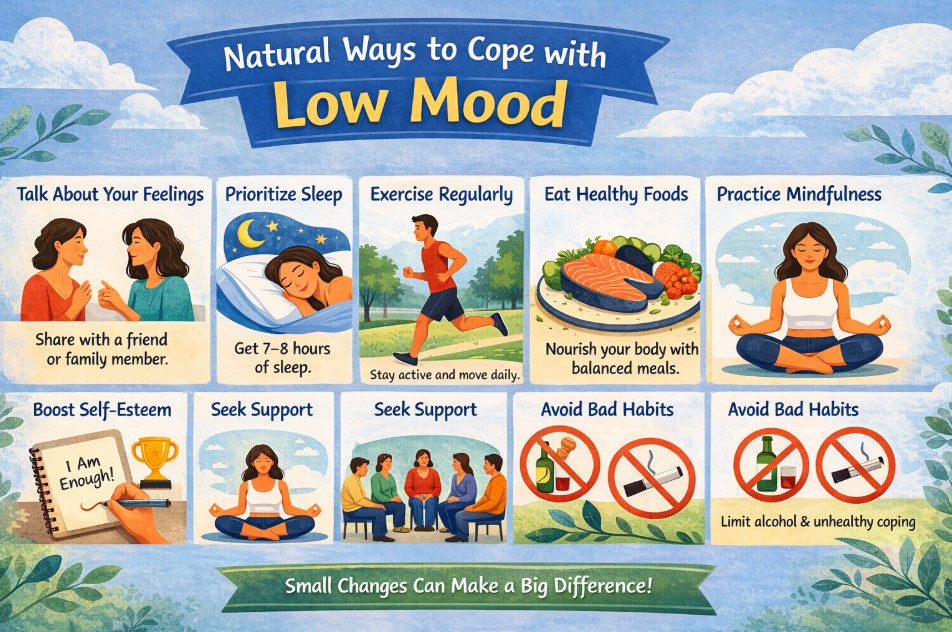
Simple and natural ways to cope with low mood and improve your mental wellbeing every day.
Mindfulness helps you concentrate on the here and now and minimizes negative thinking. Some simple ways to practice mindfulness:
- Mornings: 5-10 minutes of meditation each day.
- Deep breathing to relax the nervous system.
- Noticing something through the senses, such as smelling, hearing, touching, etc.
These strategies will support you in feeling more empowered to control your emotions and not be overwhelmed with stressful thoughts.
6. Boost Self-Esteem
Low self-esteem can worsen a low mood. To improve confidence:
- Pat yourself on the back for successes, however small.
- Record characteristics or accomplishments that you are pleased with yourself for.
- Don’t compare yourself to others.
People need to be proud of any achievement, no matter how small. People need to celebrate any achievement, no matter how small.
7. Seek Peer Support
It can be helpful and comforting to share your experiences with others who understand. Peer Support Groups offer:
- Perspective from persons with similar challenges,
- Tips and strategies that have proven beneficial for other students.
- A feeling of belonging and of not being alone
8. Identify and Reduce Harmful Coping Strategies
Some people turn to alcohol, drugs, or gambling to ease stress. These can temporarily dull emotions but negatively affect mental health in the long term. Instead, practice positive coping strategies such as journaling, talking to someone, or engaging in hobbies. Building several supportive habits together tends to work better than relying on just one approach, and exploring natural stress relief methods can be a good place to start.
Examples of Good Life Habits and Skills
- Make goals attainable. Small goals are easier to achieve and will make you feel good.
- Keep your mind on what you can control; don’t expend effort on what you cannot.
- Social interaction boosts mood and offers emotional support.
- Be active in hobbies: Activities and things you love make you happier and more content.
- Small, regular actions can make a big difference in the long run.
Final Thoughts
Dealing with low mood doesn’t always require medication. To take care of your emotional health, focus on getting good sleep, exercising, eating well, practicing mindfulness, and seeking support. Remember that having a low mood is normal, and asking for help is a strength, not a weakness. Small steps can help you get back in control, feel better, and enjoy life again. For more guidance, the NIMH depression overview is a reliable resource on treatment options and symptoms.
Frequently Asked Questions (FAQ)
Most low moods last a few days to a couple of weeks. If your mood persists for more than two weeks, consider seeking professional help.
Yes. Regular exercise, adequate sleep, balanced nutrition, and mindfulness can significantly boost emotional well-being.
Seek help if your mood affects daily life, lasts more than two weeks, or if you experience thoughts of self-harm.
Positive affirmations, tracking achievements, practicing gratitude, and engaging in enjoyable activities can naturally improve confidence.