
Stress isn’t just in your head. It’s in your shoulders, your gut, and your sleep.
Stress is a normal, healthy aspect of life; if it is too much, it may impact mental, emotional, and physical well-being. It is important to know how to manage stress in a natural way and live a balanced and happy life. This guide helps you discover some simple, effective strategies that will help you lower stress and improve your overall wellness.
Stress is the response of your body to a challenge or demand. Stress can be a motivational factor in the short term, but it can cause negative health effects in the long-term. It can cause conditions like high blood pressure, sleep disorders, anxiety, and reduced immunity.
Common Symptoms of Stress
- Persistent tiredness or lack of energy, trouble sleeping, or inability to sleep at night. If you often wake up with a headache, stress may be the hidden trigger. I
- Irritability or moodiness, headache or muscle tension, feeling overwhelmed or anxious.
Knowing what these are is the first step in natural stress management.
Benefits of Lowering Stress Levels Naturally
There are several benefits to lowering stress levels naturally. There are numerous advantages to taking a natural approach to stress management:
- Stress reduction to improve mental clarity. You will be able to make decisions more rationally and focus better.
- Improved mood: Natural stress relief can help to alleviate signs of anxiety and depression.
- Improved physical health: reduced stress leads to better heart health, immune system, and digestion.
- Better relationships; By being calm and balanced, your relationships with others are positively affected.
Simple Ways to Lower Stress and Increase Your Well-Being
Stress is a problem for everyone, and there are ways to deal with it naturally. Here are some simple ways you can work to lower the stress in your life and increase your well-being.
1. Exercise Regularly
Exercise is a great stress reliever. It stimulates the body’s natural production of endorphins, which are natural mood boosters. According to the American Psychological Association, even a single workout session can help reduce stress and improve mood. Just 20-30 minutes of physical activity a day can make a difference.
Tips:
- Go for a walk, run, or bike ride outside.
- Do flexibility and relaxation exercises such as yoga or pilates.
- Strength training to develop and boost energy and confidence levels.
2. Meditate and Be Mindful
Practicing mindfulness and meditation helps relax and ease your mind of stress. The practices are meant to shift your focus from past or future to the here and now.
Simple mindfulness exercises:
- Breathe for 5-10 minutes, concentrating on breathing.
- Be aware of what you see, hear, and feel—without judgment.
- Use an app or online videos to practice guided meditation.
3. Eat a Healthy Diet
Food has a lot to do with your stress. A healthy diet can help maintain a balanced mood and energy levels.
Stress-reducing foods:
- Fresh fruits and vegetables.
- Whole grain foods such as oats and brown rice.
- Add healthy fats such as nuts and seeds.
- Herbal teas such as chamomile or green tea.
Try to avoid: Caffeine, too much sugar, and processed foods, as they may trigger feelings of anxiety and tiredness.
4. Prioritize Sleep
Sleep is crucial for mental and physical well-being. Without adequate sleep, stress hormones will rise, causing stress and fatigue.
Here are some tips for improved sleep:
- Follow a regular bedtime routine.
- Turn off screens 1 hour before bedtime.
- Establish a relaxing bedtime routine.
- Try relaxation exercises such as deep breathing before bedtime.
5. Reconnect with Loved Ones
Quality time with family and friends can help to lower stress and improve happiness. Expressing thoughts and emotions helps to reduce feeling overwhelmed and support.
Ideas:
- Make regular phone calls or visits to pals.
- Phone or meet friends on a regular basis.
- Take part in collective activities or interests.
- Take time with your spouse or children of good quality.
6. Spend Time in Nature
The mind gets calmed when it is in touch with nature. Exercising in a park, gardening, or just sitting outside can help lower levels of cortisol (stress hormones) and boost positive emotions. If stress is leaving you feeling down, exploring natural ways to cope with low mood alongside dietary changes can make a real difference.
Hint: Do “forest bathing” or mindful walking in a natural setting for the deepest relaxation.
7. Practice Deep Breathing
The relaxation response to deep breathing exercises. They help to relax, lower blood pressure, and focus.
Simple technique:
- Take a deep breath slowly, counting to 4.
- Hold your breath for 4 counts.
- Breathe out slowly to a count of 6.
- Practice 5-10 minutes a day for 5-10 days.
8. Limit Digital Overload
Every notification, email, and social media can raise tension! You will be able to find time to unwind and concentrate on the real-world connections you have.
Tips:
- Establish time limits for checking cell phone and/or email.
- Take an internet fast once a week.
- Don’t use devices just before bedtime.
9. Engage in Hobbies
When you do something you love, it’s a natural stress reliever. Hobbies can be a good distraction from worry and can make you feel good about yourself.
Examples:
- Creating using painting, drawing, or making.
- Cooking or baking.
- Reading books or listening to music.
- Participating in sports or games.
10. Practice Gratitude
Thank you changes your mindset from negative to positive. Keeping a daily gratitude journal can enhance mental well-being and alleviate stress.
Tip: Make a gratitude journal and write 3 things that you are grateful for every day.
Stress Management Daily Routine

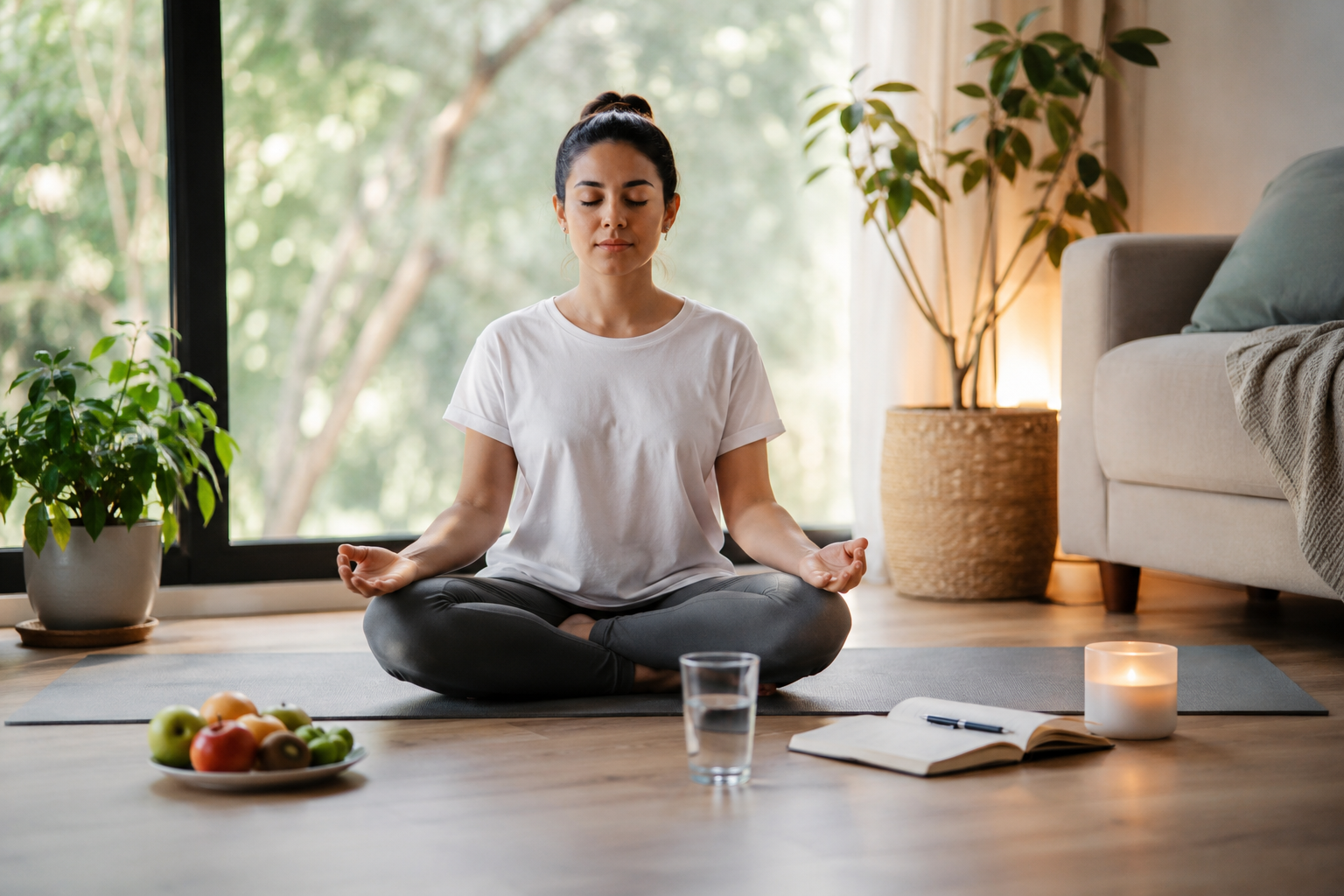
Meditation and mindfulness can help reduce daily stress and support overall well-being.
Having a smooth routine will help enhance wellbeing daily:
Morning
- Get up to meditate for 5-10 minutes in the morning.
- Have a nutritious morning meal.
- Schedule your tasks and prioritise them.
Afternoon
- Do brief breaks while working!
- Have a nutritious lunch.
- Go for a 15-20 minute walk.
Evening
- Physical activity or activities of leisure.
- Take time to be with family or friends.
- Stay away from screens for 1 hour before sleeping.
When to Seek Professional Help
However, stress can sometimes get out of hand, and natural approaches may be insufficient. If you see any of the following, please get professional help:
- Anxiety and depression that do not go away.
- Trouble working or at home in daily activities or routines.
- Severe sleep disturbances.
- Physical changes such as chest pain or high blood pressure.
There are strategies and treatments available that a therapist, counselor, or doctor can offer to help manage stress.
Conclusion
It isn’t only about stress reduction; it is about the lifestyle that is adopted to promote mental, emotional, and physical well-being. Learning how to manage stress will improve overall health by engaging in exercise, practicing mindfulness, maintaining proper nutrition, getting restful sleep, and building quality relationships. For a deeper dive, check out our complete stress management guide to explore even more proven techniques. Do it little by little, regularly, and see the difference these natural actions make in your life.
Frequently Asked Questions (FAQs)
It varies per person, but consistent practice over a few weeks can show noticeable improvements.
Yes, foods rich in vitamins, minerals, and omega-3 fatty acids can improve mood and reduce stress hormones.
Both are effective; combining them gives the best results for mental and physical health.