



















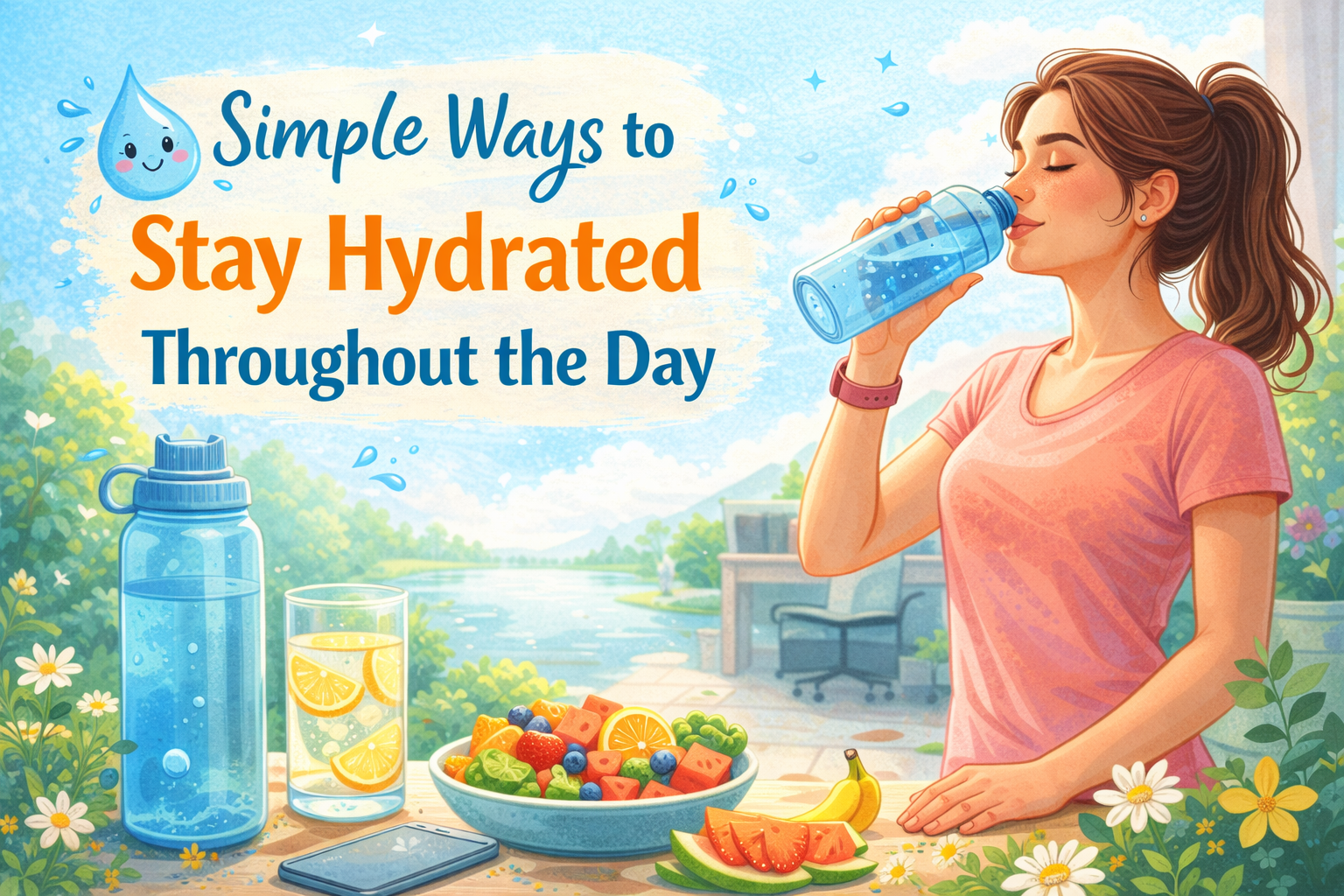
Coffee in the morning, tea in the afternoon, juice at lunch, but plain water? That somehow never makes it onto the list.
Drinking plenty of water is one of the easiest and most important things to do to maintain a healthy lifestyle. Water plays a role in nearly all functions of the body, such as digestion, circulation, temperature control, and the production of energy. Many people know how vital water is during the day, but fail to ensure that they are drinking enough of it. Dehydration, on the other hand, can lead to headaches, fatigue, dizziness, and lack of concentration.
Fortunately, hydrating doesn’t need to be difficult. You don’t have to struggle to keep hydrated throughout the day; there are a few simple habits that will help you maintain proper hydration.
In this article, I will share some easy and simple ways to make sure you stay hydrated. Regular drinking of water keeps one hydrated.
Why Staying Hydrated Is Important
Knowing the importance of hydration is the first step to staying hydrated. Water makes up about 60% of the human body. Water is essential for the proper functioning of every cell, tissue, and organ. Correct hydration has a range of benefits. There are several benefits to correct hydration.
Benefits of Correct Hydration
- Supports healthy digestion
- Gives the brain a boost in function and concentration
- Assists in maintaining body temperature
- Boosts energy levels
- Promotes healthy, radiant skin
- Helps remove toxins from the body
- Supports weight management
Dehydration happens when the body lacks water. Even slight dehydration can impact mood, memory, and productivity.
How Many Ounces Of Water Should You Drink Per Day?
It is a common question that one asks: How much water should I drink a day? The overall advice is:
- Men: Around 3–3.7 liters per day
- Women: Around 2–2.7 liters per day
But your water requirements can differ based on physical activity, weather conditions, age, health conditions, and diet. For a more detailed breakdown, check out how many bottles of water to drink a day.
- Physical activity
- Weather conditions
- Age
- Health condition
- Diet
For instance, individuals who consume lots of fluids or reside in warm environments require more fluid to keep hydrated. A general rule of thumb is to follow the 8 x 8 rule, which means drinking 8 glasses of water each day. This isn’t a hard-and-fast rule; it’s a good indicator to start with.
Smart Hydration Tips for a Healthier Day
Here are some practical ways to increase your daily water intake and prevent dehydration.
Drink Water First Thing in the Morning
A great tip for hydration is to have a glass of water in the morning when you first wake up. Your body is a little dehydrated after a couple of hours of sleep. The morning drink of water helps:
- Activate your metabolism
- Flush out toxins
- Improve digestion
- Increase alertness
It helps to have a glass or bottle of water by your bedside so you’ll always have it nearby.
Bring a Reusable Water Bottle
Keep water readily available. Water is one of the easiest hydration tips to follow; keep water within reach at all times. Keep a reusable water bottle so you can always have water available without having to think about it. Advantages of having water bottles:
- Encourages you to take your water breaks
- Assists in monitoring water intake
- Reduces plastic waste
Make hydration convenient, pick a bottle you’ll like so you’ll feel like using it daily.
Set Hydration Reminders
Technology as a strategy to establish a habit. People often forget to drink water as they are too busy with their work or daily activities. Installing a reminder on your cell phone can help you get used to drinking water regularly. You can:
- Set hourly reminders
- Use hydration apps
- Sip smart water bottles to keep track of your water consumption
These reminders promote regular drinking and will help prevent dehydration.
Eat Water-Rich Foods
Food is also a source of hydration. Hydration doesn’t just occur when consuming water. Fruits and vegetables are low in calories and high in water content and are a good way to get fluids. Foods that have water content include:
- Watermelon
- Cucumbers
- Oranges
- Strawberries
- Lettuce
- Tomatoes
- Celery
They help keep you hydrated and are an important source of vitamins, minerals, and antioxidants. Eating more fruits and vegetables is a healthy and easy way to help hydrate your meals. For more on building a diet that supports your overall health, read the ultimate guide to a healthy diet and nutrition.
Make Water More Fun
Some individuals have trouble drinking regular water due to its lack of flavor. Water can be flavored to make it more palatable. You can add:
- Lemon slices
- Mint leaves
- Cucumber slices
- Berries
- Orange slices
These natural ingredients enhance the flavor of water without adding sugar or artificial ingredients. The little trick to this is to make you drink more water during the day.
Pair Drinking Water with Meals
Another good hydration tip is to have water prior to meals. This habit can:
- Improve digestion
- Prevent overeating
- Help you drink more water every day
Drink 1 glass of water 30 minutes before eating. Over time, this is an automatic behaviour.
Keep Track of Your Urine Color
The color of urine can help determine how hydrated you are.
- Light Yellow: Well hydrated
- Dark Yellow: Mild dehydration
- Amber color: Need to drink more water
One easy way to gauge how much more liquid your body requires is to check the color of the urine.
Drink More Water During Physical Activity
During exercise or physical activity, body fluid is lost via sweat. To stay properly hydrated:
- Drink water before exercising
- Drink small amounts while exercising
- Rehydrate post-exercise
Electrolyte drinks can also replenish minerals lost through sweat in more vigorous workouts that last more than an hour.
Stay Hydrated in Hot Weather
For warm climates, keep yourself hydrated by drinking plenty of fluids or sports drinks. In hot weather, people sweat more to cool down, which makes them more susceptible to dehydration. During warm days:
- Take a water bottle outside
- Don’t drink excessive amounts of caffeine or sugary beverages
- Drink more fluids or foods that contain a lot of water, like fruit
It is important to pay particular attention to daily fluid levels for residents of warmer climates.
Limit Dehydrating Drinks
Some beverages may actually cause dehydration if they are consumed in excess. These include:
- Coffee
- Energy drinks
- Sugary sodas
- Alcohol
Caffeine and alcohol may cause dehydration. Moderate amounts are generally harmless, but should be mixed in sufficient amounts of water. It is great to have a water glass for each caffeinated drink.
Create a Hydration Routine
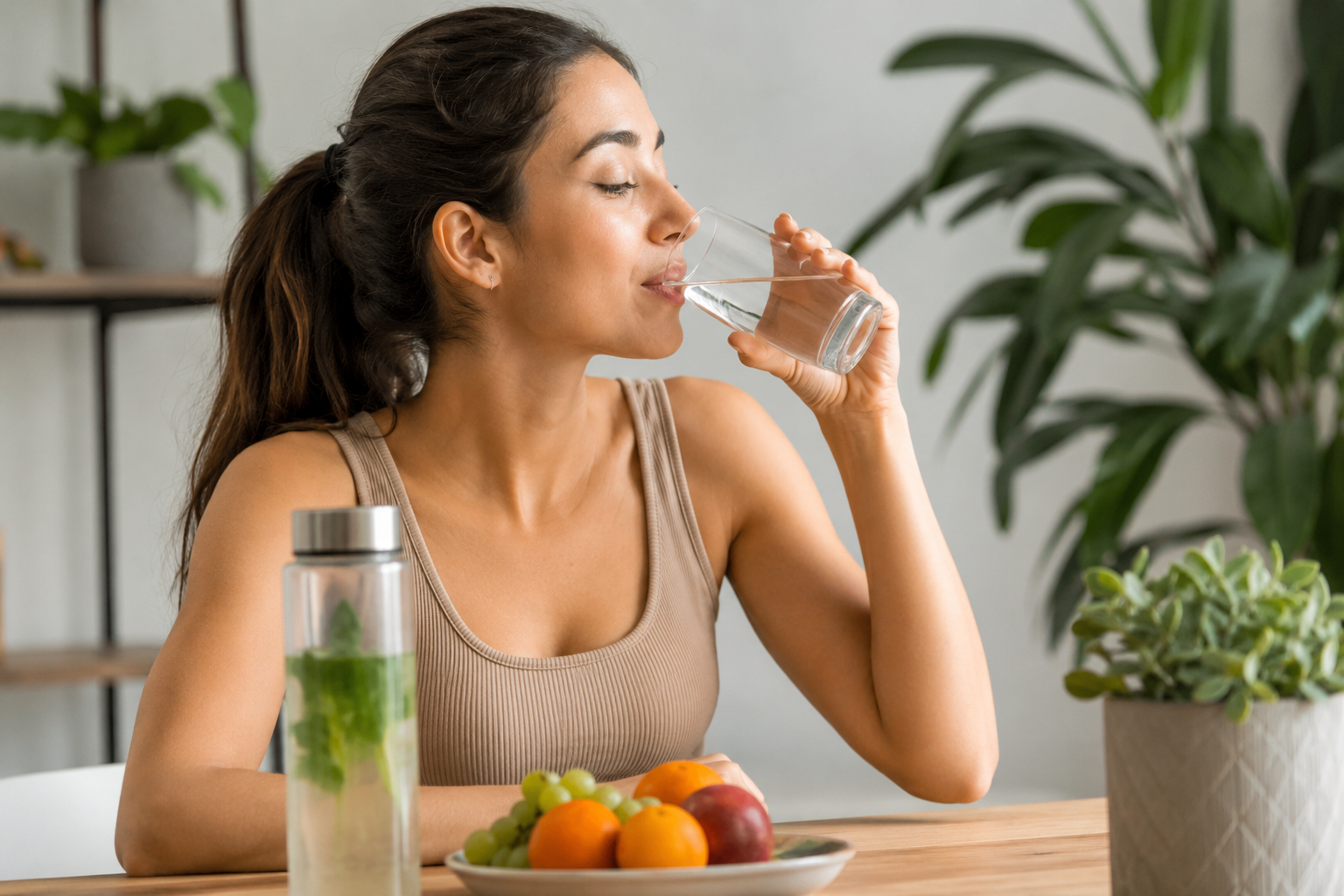
Drinking water regularly is a simple way to maintain hydration and support overall health.
Consistency is the key to staying hydrated. Building small habits throughout the day makes hydration effortless.
A simple hydration routine could look like this:
Morning: Drink a glass of water after waking up
Mid-morning: Drink water at work or while studying
Before lunch: Drink one glass of water
Afternoon: Drink water with snacks
Evening: Drink water after physical activity
Night: Drink a small amount before bed
When hydration becomes part of your routine, you no longer have to remind yourself constantly.
Signs Your Body Needs More Water
Even with good habits, it is important to recognize the symptoms of dehydration.
Common Signs of Dehydration
- Dry mouth
- Headache
- Fatigue
- Dizziness
- Dark Urine
- Muscle cramps
- Poor concentration
Ignoring dehydration for too long can quietly affect more than just your energy levels. One overlooked effect is sleep-related discomfort; if you often wake up with a headache, dehydration could be a contributing factor.
Hydration Tips for Busy People
Many people have busy schedules and forget to drink water. Here are a few quick tips:
- Keep a water bottle on your desk
- Drink water during short breaks
- Pair water with daily activities like checking emails
- Drink water while commuting
- Use hydration tracking apps
These small strategies can make a big difference in maintaining daily hydration.
Final Thoughts
Staying hydrated is one of the easiest ways to improve your health and wellbeing. Water plays a crucial role in maintaining energy, supporting digestion, regulating body temperature, and keeping your body functioning properly.
The good news is that proper hydration does not require complicated routines. Simple habits like carrying a water bottle, eating water-rich foods, setting reminders, and drinking water before meals can make a big difference. For more information about daily water intake recommendations, read this guide on how much water you should drink every day.
By making hydration a consistent part of your daily routine, you can protect your health, improve focus, and feel more energized throughout the day.
Remember, small changes in daily habits can lead to long-term health benefits. Start today by drinking a glass of water and building a healthier hydration routine.
Frequently Asked Questions (FAQs)
You can add natural flavors such as lemon, mint, cucumber, or berries to your water. Eating water-rich fruits and vegetables can also help increase your fluid intake.
Lack of water can cause dehydration, which may lead to headaches, fatigue, dizziness, poor concentration, and dry skin.
Yes, excessive water intake in a short time can cause a condition called water intoxication. However, this is rare. Drinking water gradually throughout the day is safe and healthy.
Yes, tea and coffee contribute to daily fluid intake, but they contain caffeine. It is best to balance them with plenty of water.
The easiest way is to carry a reusable water bottle, set reminders, and drink a glass of water before meals. These simple habits naturally increase your daily water intake.