
The pace of life seems to be even faster now. Work deadlines, financial pressures, family expectations, and never-ending digital overloads can easily cause mental pressure. Emotional stress can hurt mental and physical health when endured for an extended period of time. Although it can be a pressure that improves focus at times.
Stress and anxiety can affect mental balance and clear thinking. Properly managing them helps people stay calm and deal with challenges efficiently. That’s why stress management is a crucial life skill. The objective is to develop habits that will enhance emotional resilience rather than attempting to eliminate the problems.
Fortunately, the steps to improved mental health are simple. Improved sleep habits, fitness, mindfulness, and time management can build lasting relief and balance.
What Is Mental Wellness and Why Does It Matter
Stress regulation is a practical strategy to manage emotional pressures and maintain a balance in mental state. It’s not about avoiding challenges; it’s about enhancing better responses to challenges.
The American Psychological Association says that these three strategies work when dealing with stress:
- If possible, change the situation causing stress
- Transforming how you respond to stress
- Treating your body and mind by using healthy habits
Your emotional strength is determined by how you cope with them. Practising healthy habits such as physical activity, planning, and relaxation can enhance mental health.
The Significance of Managing Emotional Pressure
Failure to take time off for the mind can result in fatigue, irritability, sleep disturbances, and lowered productivity. It can have a long-term effect on the body and mental well-being as well.
By taking care of the stress of everyday life, you can:
- Reduce distractions and distraught
- Sleep more peacefully
- Strengthen relationships
- Maintain physical health
- Improve decision-making
- Build emotional resilience
A balanced mind makes life easier to handle and less stressful.
Common Causes of Mental Strain
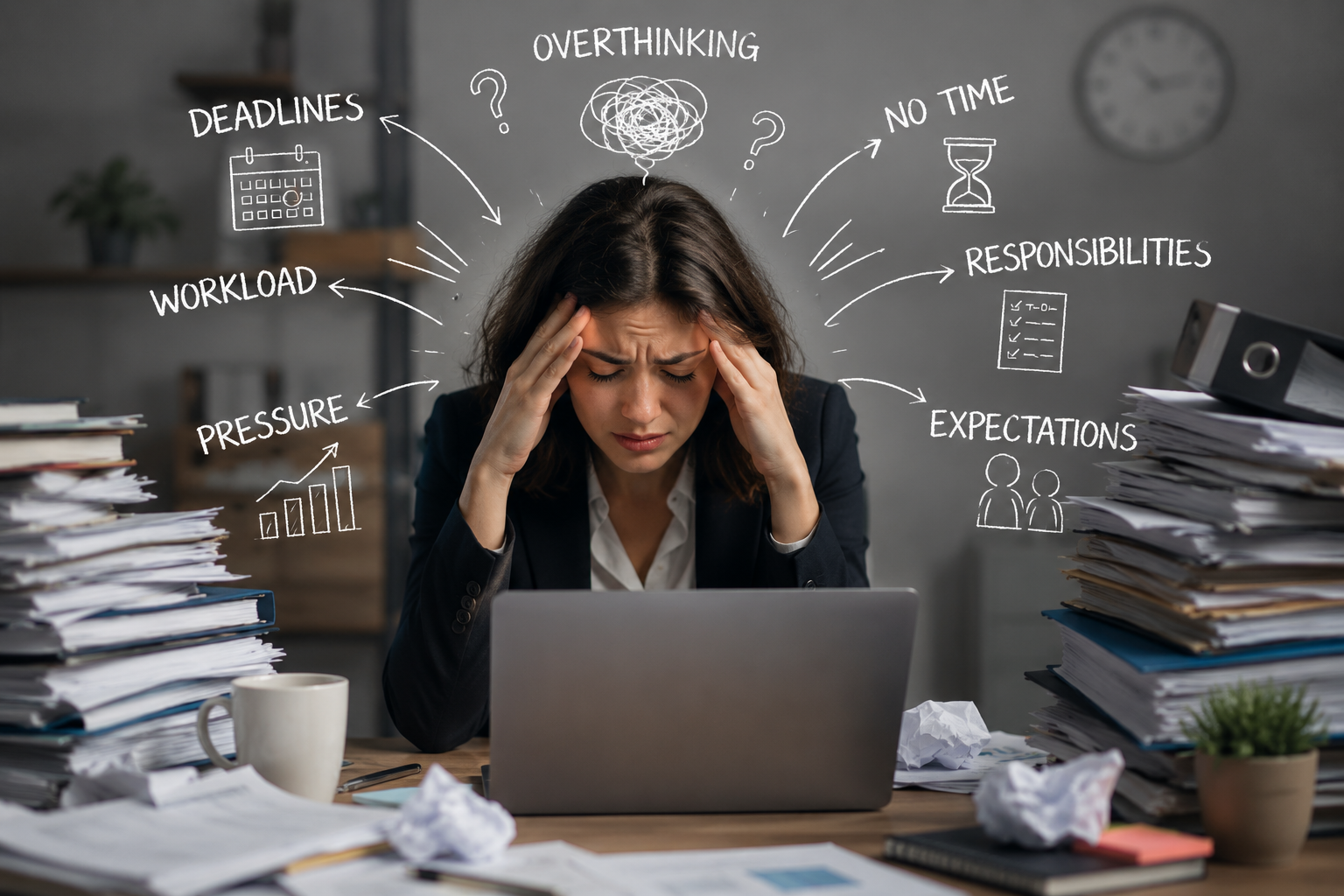

The first step to emotional control is to know the reasons.
Work Pressure and Busy Routine
Long work hours, deadlines, and having to do multiple tasks can lead to mental fatigue. Even little tasks can become overwhelming if you don’t get adequate rest.
Financial Concerns and Family Responsibilities
One of the major causes of emotional tension is financial concerns and family responsibilities. With more responsibilities comes rapid mental fatigue when there is no support.
Lack of Sleep and Unhealthy Lifestyle
Not getting enough sleep can affect mental health. Irregular sleep routines and too much screen time can increase brain fog. Poor eating habits also make it harder to stay mentally strong and handle pressure.
Natural Ways to Reduce Stress
Natural approaches can be the most effective since they benefit the mind and body.
Movement and Physical Activity
Exercise releases endorphins, natural chemicals that help decrease emotional tension and improve mood. Simple movements such as walking, stretching, and light home workouts can make a difference. A daily walk helps to clear the mind and improve focus.
Eating Right and Getting Proper Sleep
Nutrition and sleep play a key role in emotional stability. A balanced diet gives you energy, and proper sleep gives your brain a chance to recover. Not eating properly and staying up late can make a person irritable and mentally exhausted.
Deep Breathing and Relaxation Techniques
Breathing exercises work to stimulate the relaxation response. Techniques such as meditation, prayer, journaling, or quiet reflection can dramatically lower emotional tension. Slow breathing, even for a few minutes during a hectic day, can help restore calmness.
One of the most effective ways to reduce stress is through regular meditation. If you’re new to it, learn how to meditate daily at home and its benefits. It only takes a few minutes a day to make a real difference.
Practical Ways to Deal with Tension in Daily Life
Prioritize and Manage Time Effectively
Ineffective planning can put undue stress on the system. Planning tasks and setting priorities helps reduce mental overload.
Mindfulness and Positive Thinking
Mindfulness is about living in the moment and not dwelling on the past or future. It reduces negative thinking and promotes emotional stability.
Taking Breaks and Hobbies
Pursuit of hobbies such as reading, cooking, gardening, or listening to music refreshes the mind and balances emotions.
Managing Stress at Home and at Work
Emotional Balance at Home
To maintain emotional peace, it is very important to build clear communication. Talking about emotions with trusted family members can help to alleviate mental stress. Simple family activities also contribute to a supportive environment.
Building healthy routines at home goes a long way in reducing daily stress. Explore these 12 healthy family habits to build a happier and healthier home that can strengthen your family bond and create a calmer living space.
Reducing Frustration at Work
At the workplace, clear communication is crucial. Working on smaller tasks with achievable targets can greatly alleviate mental overload. It is important to have a healthy work-life balance for long-term well-being.
Staying productive without burning out is key. If you struggle to stay focused at work, read our guide on how to stay motivated at work for practical strategies that help you stay driven and energized throughout the day.
According to the National Institute of Mental Health, recognizing the early signs of stress and responding with healthy coping strategies is one of the most effective ways to protect your mental health.
Final Thoughts
There will always be difficult times in life, but that does not mean living in constant mental pressure.
Stress management is about cultivating a few simple, sustainable habits to help manage your emotions. These habits develop a better mindset with time and enhance the overall quality of life.
Begin with the basics: better sleep, regular breaks, physical activity, and mindfulness. Small steps can make a big difference in the long term.
Maintaining mental health is a must and not an option for a balanced and healthy life.
Frequently Asked Questions
Taking a short walk, deep breathing, and stepping away from the stressful environment can quickly calm the mind.
Emotional health improves naturally when people sleep well, exercise regularly, eat healthy foods, practice mindfulness, and maintain healthy social relationships.
It enables better concentration, physical wellness, productivity, and emotional strength.