








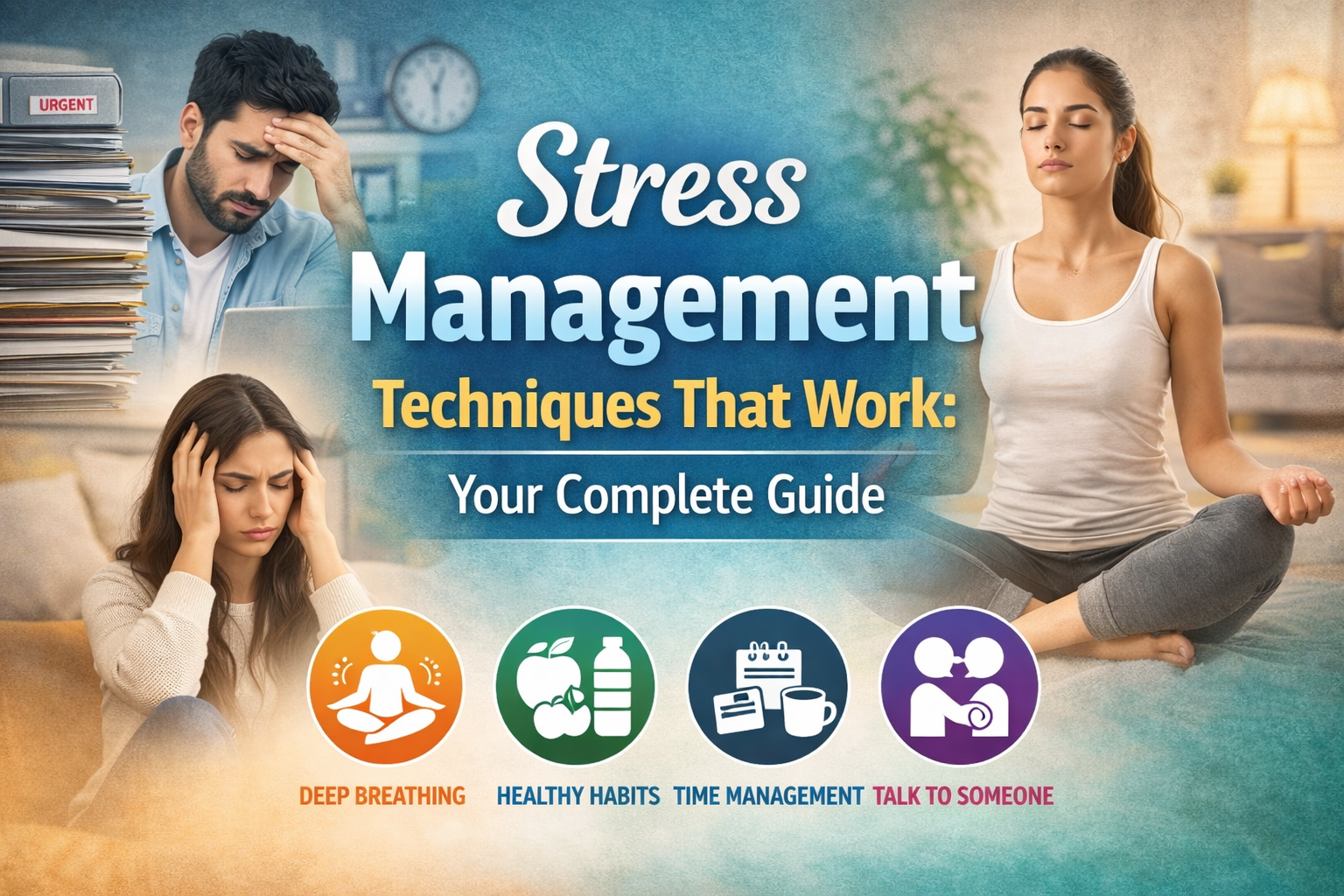
Over 77% of people regularly experience physical symptoms caused by stress, and most of them have no idea how to stop it.
Stress is an element of daily life. Whether it is due to work deadlines or other personal obligations, every one of us at one time or another finds that we are stressed. Nevertheless, stress management techniques that work are crucial towards good mental and physical health. If you struggle to stay consistent at work despite stress, check out this guide on how to stay motivated at work.
Some of the proven stress management techniques that work, simple lifestyle changes, and practical tips that can be used to reduce stress naturally will be explored in this guide.
Understanding Stress and Its Effects
Stress is the natural reaction of the body to some challenge or demand. Although short-term stress may give you some motivation, chronic stress may cause health problems. It can lead to:
- Headaches and migraines
- Sleep problems
- Anxiety or depression
- Digestive issues
- Weak immune system
Being aware of stress and the ability to manage it may enhance your mood, energy, and even the general quality of life.
Common Causes of Stress
It is worth knowing the causes of stress before discussing the techniques to overcome stress. Some of the typical causes are:
Work Pressure
Stress may be caused by deadlines, long working hours, or bosses that are demanding bosses.
Financial Concerns
Budgeting, bills, and unforeseen costs are among the things that can be the source of anxiety.
Relationship Issues
Stress may be caused by fights with family, friends, or partners.
Health Issues
Long-term disease or abrupt health conditions contribute to emotional stress.
Daily Life Arguments
Travelling, multi-tasking, or social pressures.
The initial step to managing stress effectively is to identify the root cause of the stress.
Effective Stress Management Techniques That Work
The following are some of the best stress management skills that work, supported by research and widely applied:
Practice Mindful Meditation
Mindfulness meditation makes you concentrate on the current situation and decreases anxiety. It is capable of reducing cortisol (stress hormone) and enhancing mental acuity. To build a consistent practice, read this beginner-friendly guide on how to meditate daily at home.
How to Start
- Sit in a quiet place and close your eyes.
- Inhale and exhale for 5–10 minutes a day.
- Think non-judgmentally and kindly redirect attention towards breathing.
In the long term, mindfulness may improve emotional resiliency and decrease chronic stress.
Regular Physical Exercise
One of the most effective ways of fighting stress in a natural manner is through exercise. It produces endorphins that enhance mood and energy.
Effective Exercises Include
- Walking or jogging
- Yoga and stretching
- Strength training
- Swimming or cycling
At least 20–30 minutes per day can help drop the stress level considerably.
Eat a Healthy Diet
Diet is an important factor in managing stress. Consuming foods rich in nutrients helps to set your mood and energy.
Suggestions on a Stress-Reducing Diet
- Add whole grains, fruits, and vegetables.
- Consume foods rich in omega-3, such as salmon and flaxseed.
- Limit sugar, caffeine intake, and processed foods.
- Be hydrated during the day.
Eating well will ensure your body and your mind are strong enough to deal with stress.
Prioritize Sleep
Sleep deprivation elevates stress hormones and has an overall impact on your health. Target 7–9 hours of great sleep each night.
Tips to Get Sleep to Relieve Stress
- Stick to a regular sleeping schedule.
- At least 1 hour before bedtime, avoid screens.
- Create a relaxing bedtime routine.
- Make your bedroom dark, quiet, and cool.
Good sleep improves concentration, mood, and stress management skills.
Deep Breathing Exercises
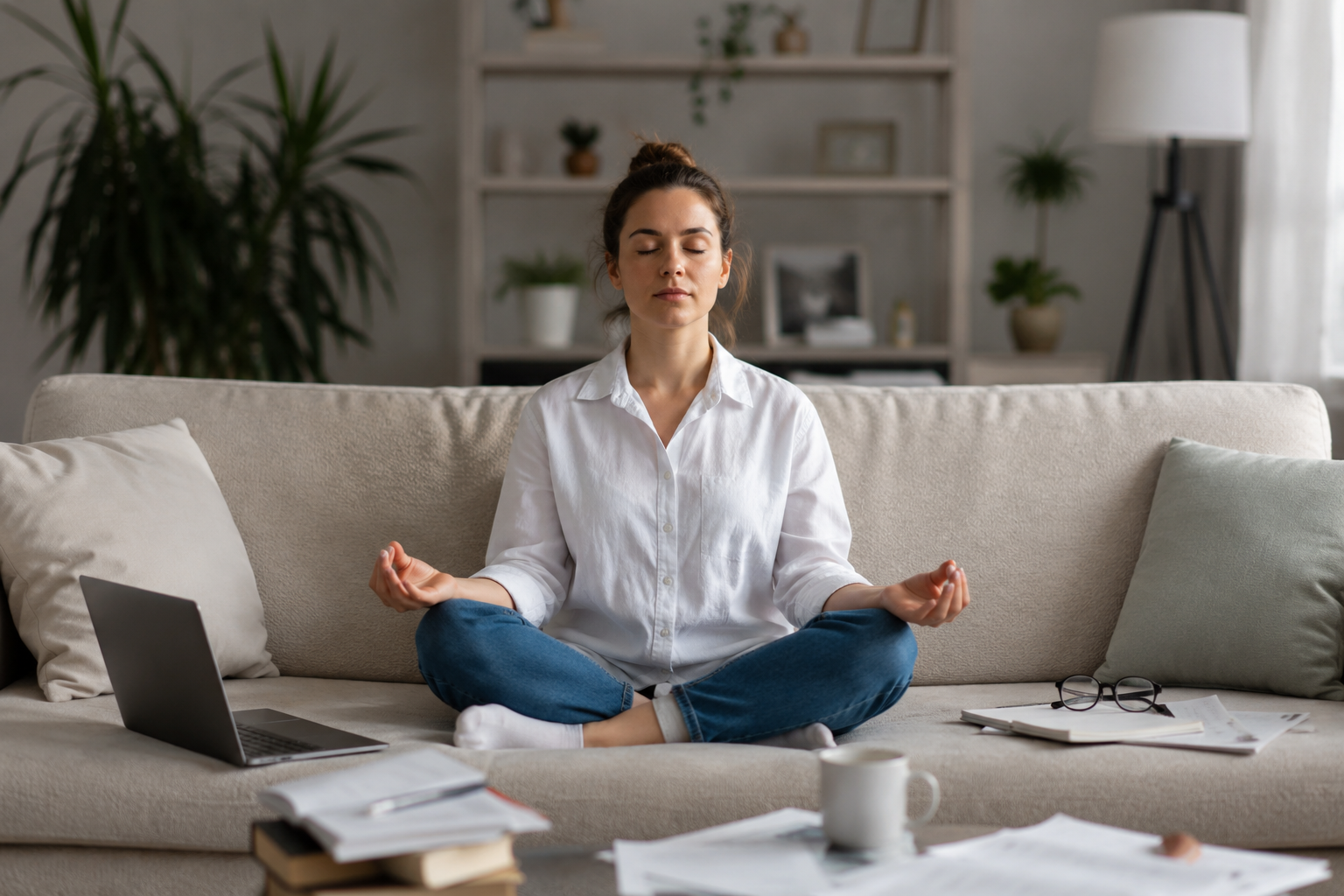
Daily mindfulness and relaxation techniques can help reduce stress and improve emotional well-being.
Deep breathing would help one calm his or her nervous system and relieve stress within a short time.
The Following Is an Easy Trick to Do
- Deeply inhale 4 counts.
- Breathe in to 4 counts.
- Slowly inhale 6 counts.
- Repeat for 5–10 minutes.
Deep breathing reduces anxiety, decreases the heart rate, and relaxes muscles.
Connect with Loved Ones
Deep breathing reduces anxiety, decreases the heart rate, and relaxes muscles. According to the American Psychological Association, relaxation techniques like deep breathing are among the most recommended tools for managing everyday stress.
Ways to Connect
- Be open with your emotions.
- Spend quality time with loved ones.
- Become a member of support groups or communities.
A good support system enhances mental health and offers perspective in stressful situations.
Manage Time Effectively
Stress may be aggravated by poor time management. It is possible to learn to have priorities in life to make it easier to live.
Time Management Tips
- Make a daily to-do list.
- Divide tasks into smaller tasks.
- Set realistic deadlines.
- Do not multitask; work on one task at a time.
A more organised workflow will decrease the feeling of being overwhelmed and enhance productivity.
Practice Relaxation Techniques
You can use relaxation methods to relax both your body and mind.
Examples Include
- Progressive muscle relaxation
- Essential oil aromatherapy
- Reciting relaxing music
- Taking warm baths
Frequent relaxation will avoid burnout and provide emotional balance.
Reduce Media Exposure to Negative Coverage
Anxiety can be heightened by constant exposure to negative news, social media, or any stressful content.
Tips to Reduce Stress from Media
- Reduce news per day.
- After positive or inspiring stories.
- Have social media breaks on a regular basis.
This will make room in the mind for positivity and eliminate avoidable causes of stress.
Get Professional Help Where Necessary
In some cases, stress can be too much, and self-help techniques might not suffice. It may be advisable to meet with a therapist, counsellor, or psychologist to help one control chronic stress.
Signs to Seek Help
- Constant anxiety or depression
- Problems with sleeping or eating
- Loss of interest in everyday activities
- Experiencing a sense of not being able to cope with everyday stress
Professional guidance provides personalised techniques and support.
Lifestyle Habits to Minimise Stress Naturally
Along with the above techniques, cultivating healthy daily habits can make a big difference:
- Be active every day: Walk, stretch, or take little exercise breaks.
- Establish limits: Learn to say no and guard your time.
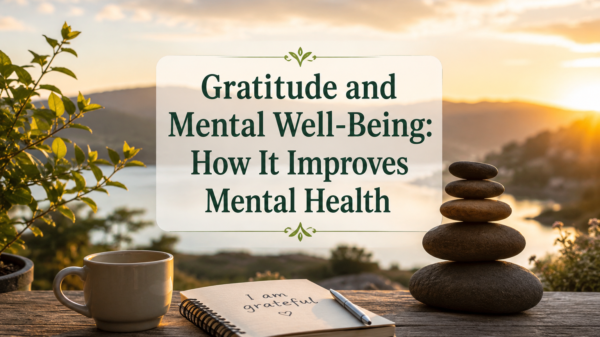
- Practice gratitude: Note 3 things you are thankful for each day.
- Hobby/interests: Reading, painting, gardening, or music can be a form of therapy.
- Laugh often: Laughter reduces stress hormones and improves mood.
Simple lifestyle changes that can be applied on a regular basis could bring permanent relief in terms of stress. For a broader look at holistic approaches, explore these natural ways to reduce stress that can complement your daily routine.
Final Thoughts
Stress management is not about getting rid of stress altogether, but acquiring the skills of managing stress effectively. With mindfulness, exercise, healthy eating, good sleep, and creating a supportive relationship, you will be able to reduce stress and enhance the overall quality of life.
Keep in mind that stress management is a process and not a one-stop solution. Begin with minor modifications now, and over time, come up with methods that suit you the best.
Through regular exercise, you will be able to keep yourself calm, focused, and resilient in your day-to-day life.
Frequently Asked Questions (FAQs)
Q1: Does stress have any physical health consequences?
Yes, persistent stress may provoke headaches, high blood pressure, problems with the digestive system, and sleep disorders.
Q2: What is the duration of time before stress management techniques have an effect?
Certain methods, such as deep breathing or meditation, give instant relief. Lifestyle changes such as exercising and dieting can require several weeks to bear significant results.
Q3: Which is more effective in reducing stress: exercise or meditation?
Both are powerful, yet the combination of physical activity and mindfulness gives the most effective results.
Q4: Can diet actually decrease stress?
Absolutely! Foods rich in nutrients help support brain functions, stabilise mood, and reduce stress-related inflammation.
Q5: What is the appropriate time to address a professional about stress?
Consult a professional in case the stress is chronic, impacts day-to-day activities, or leads to anxiety and depression.