











Introduction
In the current busy world, it is now more than ever that a healthy diet and Nutrition for a better life is important. As stress levels rise, we become busy and have easy access to processed foods and, therefore, most people are unable to make the right nutritional choices. Nonetheless, the idea of adopting a balanced diet is not only about losing weight, but also about improving your overall lifestyle, gaining energy, and preventing diseases.
This ultimate guide to healthy diet and nutrition for a better life style will take you through all you need to know about healthy dieting and nutrition and enable you to develop sustainable habits and live a better and healthier life.
What is Healthy Diet?
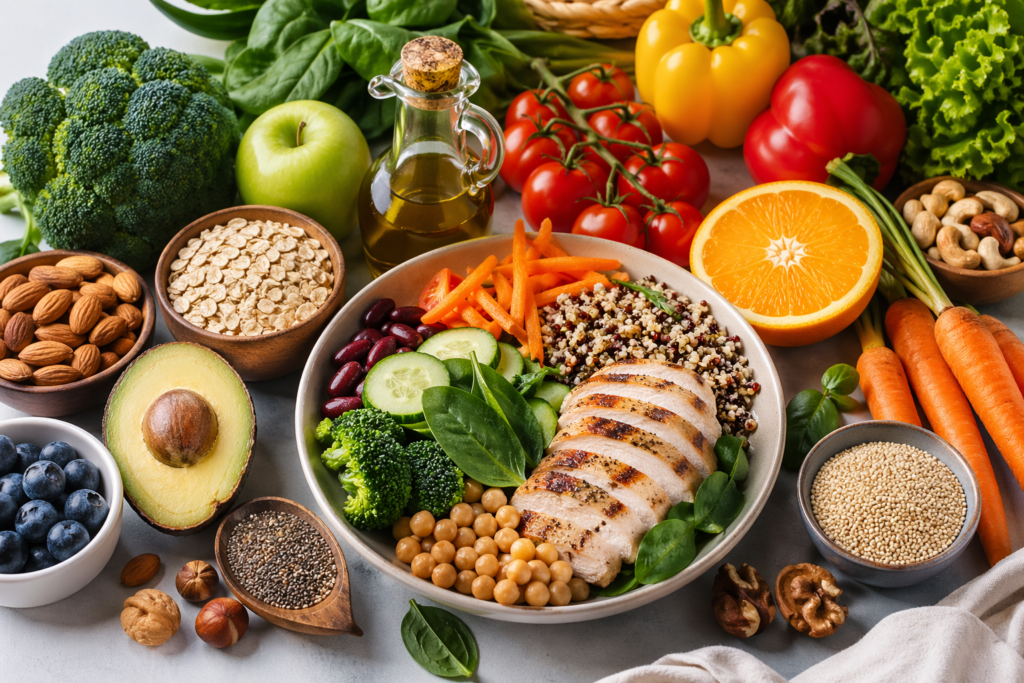
A healthy diet is one that consists of a wide range of foods that contain the necessary kinds of nutrients that your body requires in order to perform optimally.
These nutrients include:
Proteins
Carbohydrates
Healthy fats
Vitamins
Minerals
Fibre
A healthy diet of these nutrients will keep your body continuously energized, your immune system robust, and your mind stable.
Why is Nutrition Important to a Better Lifestyle?
1. Boosts Energy Levels
Eating healthy foods that contain nutrients will help to energize your body and keep you active and productive all day long.
2. Supports Mental Health
Having a balanced diet enables the regulation of mood and decreases stress and depression.
3. Boosts the Immune System
With proper nutrition, your body will more effectively struggle against infections and illnesses.
4. Promotes Healthy Weight Management
Proper dieting of the correct foods in the right proportion will prevent obesity and other related diseases.
5. Improves Longevity
Healthy lifestyle greatly lowers the chances of developing chronic illnesses, including diabetes, heart disease and hypertension.
Important Ingredients of a Nutritious Eat
1. Proteins: Building Blocks of Life
Proteins are crucial for muscle repair and growth.
Best Sources:
-
Eggs
-
Chicken
-
Fish
-
Lentils
-
Beans
2. Carbohydrates: Your Main Energy Source
Carbohydrates give the energy that your body requires to work.
Healthy Options:
-
Whole grains (brown rice, oats)
-
Fruits
-
Vegetables
3. Healthy Fats: Not all Fats are bad
Good fats promote brain activity and hormone regulation.
Sources Include:
-
Nuts
-
Seeds
-
Olive oil
-
Avocados
4. Vitamins and Minerals
Such micronutrients play a crucial role in the overall body functions.
Examples:
-
Vitamin C (oranges, lemons)
-
Calcium (milk, yogurt)
-
Iron (spinach, red meat)
5. Fibre: To Digest Better
Fiber aids in digestion and avoids constipation.
Sources:
-
Whole grains
-
Vegetables
-
Fruits
How to Construct a Balanced Meal Plan
The Ideal Plate Method
Your plate should be divided into:
-
50% Vegetables and Fruits
-
25% Protein
-
25% Whole Grains
The approach guarantees you a complete meal of all the necessary nutrients.
Sample Daily Meal Plan
Breakfast
-
Boiled eggs
-
Whole wheat toast
-
A glass of milk or tea
Lunch
-
Grilled chicken/daal
-
Brown rice/chapati
-
Salad
Dinner
-
Light meal (vegetables and protein)
-
Yogurt
Snacks
-
Fruits
-
Nuts
-
Smoothies
How to Eat Healthy in Everyday Life
1. Stay Hydrated
Consume water at least 6–8 glasses of water per day.
2. Avoid Processed Foods
Restrict junk food, beverages and packaged snacks.
3. Practice Portion Control
Overconsumption of food including healthy food may result in gaining weight.
4. Eat Mindfully
Do not be distracted when eating. Focus on your food.
5. Maintain a Routine
Have regular meal timings throughout the day.
Some of the Most Common Diet Mistakes to Avoid
Skipping Meals
This strategy decreases the metabolism and results in eating more later.
Following Crash Diets
Diets of quick weight loss are not long-term and may prove to be detrimental to your health.
Ignoring Nutritional Balance
It is a big mistake to concentrate on the amount of calories rather than the nutrients.
Overeating Healthy Foods
Healthy food too is to be taken in moderation.
The Purpose of Exercise as Well as Nutrition
It is best that a healthy diet should be accompanied by regular bodily exercises.
Benefits of Exercise:
-
Improves metabolism
-
Enhances mood
-
Supports weight management
Hint:
Exercise at least 30 minutes per day, which can be walking, yoga, or some light exercise.
Nutritious Eating Habit in Various Life-Styles
Busy Individuals
-
Pre-prepping meals
-
Select fast, nutritious meals
-
Avoid fast food
Students
-
Target brain-enhancing foods (nuts, fruits)
-
Stay hydrated
-
Avoid excessive caffeine
Homemakers
-
Keep a healthy family meal schedule
-
Include seasonal fruits and vegetables
How to Be Consistent with Healthy Eating
Set Realistic Goals
Making small changes is better than making drastic changes.
Track Your Progress
Maintain a food diary or an app to track your diet.
Stay Motivated
Keep in mind your why of making a healthy lifestyle choice.
Allow Occasional Treats
The most important thing is to balance it out—do not entirely avoid your favorite foods.
Conclusion
The basis of a better lifestyle is the healthy diet and proper nutrition. Making conscious food decisions, staying balanced, and being consistent can help you greatly enhance your physical and mental health.
Keep in mind, eating healthy is not a one-time project, but a lifetime investment. Begin now, take small steps and reap the long-term rewards of a healthier, happier life.
Frequently Asked Questions (FAQs)
1. What is the most appropriate diet to live a healthy life?
A balanced diet is the best diet; it consists of proteins, healthy fats, carbohydrates, vitamins and minerals in the appropriate proportions.
2. What is the amount of water that I should consume every day?
The minimum amount of water you should have in a day is at least 6–8 glasses, but this depends on the level of activity.
3. Am I able to lose weight by just eating healthy foods?
Yes, however a combination of a healthy diet and exercise will have quicker and more permanent outcomes.
4. Do carbohydrates have adverse health effects?
No, carbohydrates are also needed as source of energy. The trick is to consume complex carbs such as whole grains rather than refined ones.
5. What can I do to prevent the craving to eat unhealthy foods?
Eat regular meals, keep hydrated and do not skip meals to lessen cravings.
6. Is it permissible to have snacks between meals?
Yes, provided they are healthy such as fruits, nuts or yogurt.
7. Which is the time needed to notice the effects of a healthy diet?
Energy level changes may manifest themselves in a few days, whereas the physical ones may take a few weeks.









Pingback: 12 Healthy Family Habits to Build a Happier and Healthier Home - Healthy Lifestyle
Pingback: Natural Ways to Cope with Low Mood - Healthy Life Set