


















What if the most ‘super’ thing about superfoods is just their marketing?
When you hear about foods that claim to cure all sorts of diseases and help you lose weight, it’s a question you’d no doubt ask: The concept of a “superfood” might seem strong, but is it true or marketing? Blueberries, matcha, flax seeds, turmeric, and so on, are being marketed as superfoods, but is that actually the case? Let’s keep it simple.
What Are Superfoods?
The term “superfoods” is not a scientific term. It does not have a formal rulebook to determine what food is eligible. Generally, superfoods are rich in nutrients such as vitamins, minerals, antioxidants, and healthy fats. They are always touted as foods that can:
- Boost immunity and improve heart health.
- Be beneficial for those seeking weight loss.
- Minimize the chance of chronic diseases.
Sounds impressive, right? But the truth is, there are many foods in your day-to-day diet that have equally beneficial properties at no extra cost. If you’re looking to strengthen your body’s defenses, check out these immunity-boosting foods that are easy to add to any meal.
Common Foods Labeled as “Superfoods”
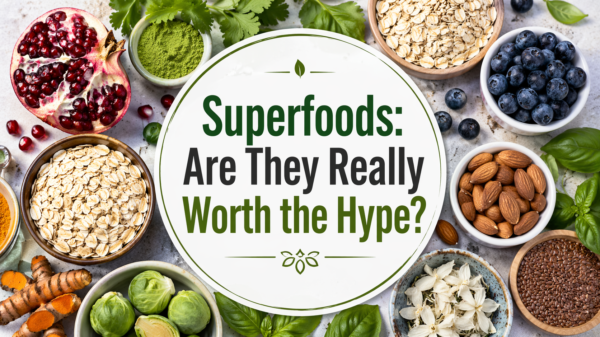
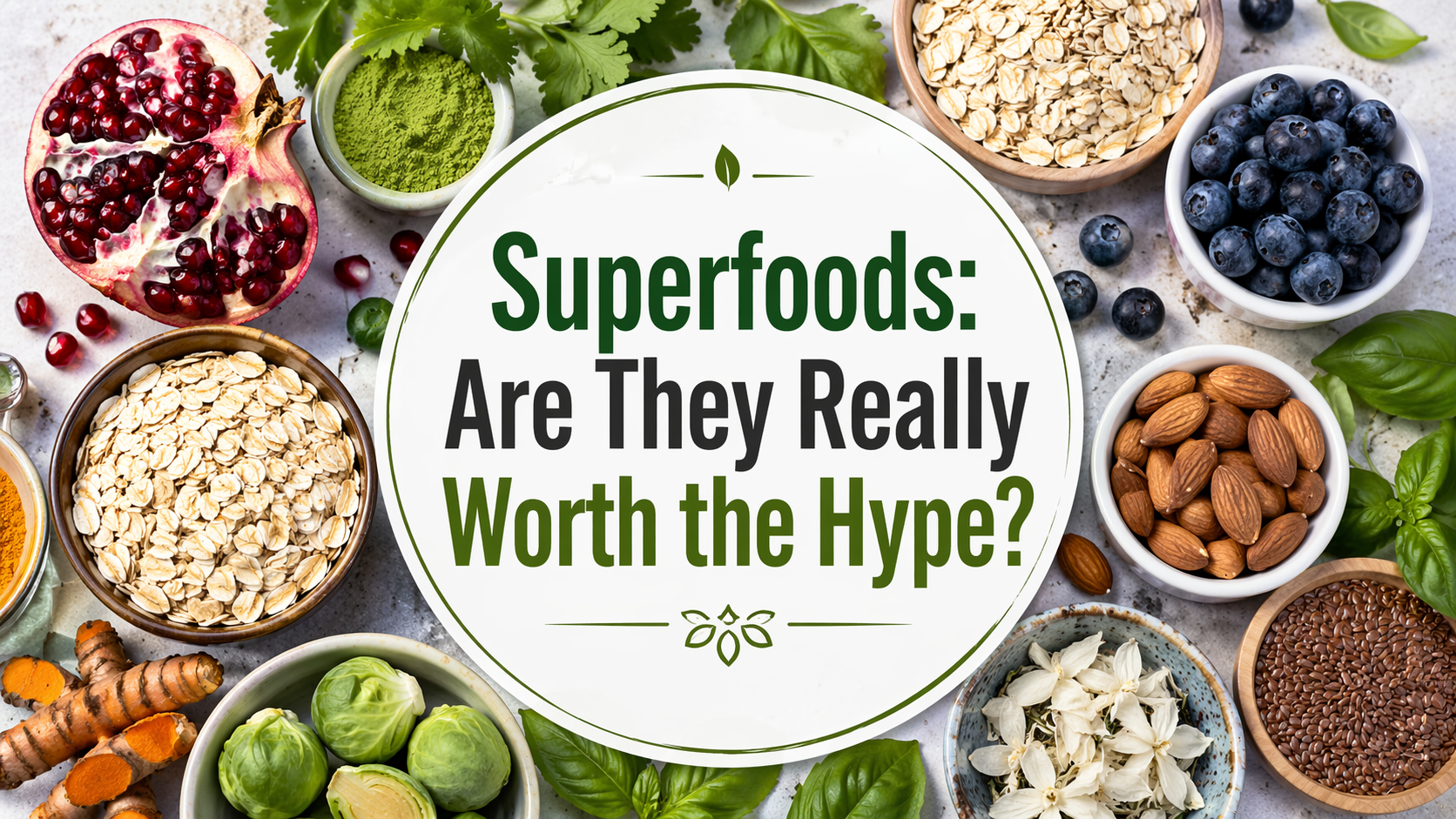
These are common foods that are labeled as “Superfoods” and have been seen somewhere on social media or health blogs:
- Blueberries
- Pomegranate
- Oats (especially rolled)
- Almonds
- Flax seeds
- Matcha
- Turmeric
- Brussels sprouts
- Basil and cilantro
- Jasmine peel
These foods are certainly healthy. They are filled with fibre, antioxidants, and nutrients. However, the word ‘super’ does not imply ‘magic’ or ‘good for you’ when referring to them as a food.
The “Superfood” Craze
The term “superfoods” is not one that nutritionists invented; rather, it was a marketing term created to promote certain foods. Companies came to understand that “super” was a good selling trick. And it works. Foods that offer health benefits in an easy-to-consume manner are always popular.
In modern times, with the advent of social media and the quick dissemination of information, new “superfoods” seem to emerge on a regular basis. It’s chia seeds one month, then matcha or turmeric the next. This ongoing trend continues to drive and engage the market.
Why Are Superfoods So Popular Nowadays?
These foods are very popular for some reasons:
1. Individuals Seek Rapid Health Answers
Everyone desires simple methods to keep healthy. The concept of “one food to rule them all” is definitely alluring.
2. Health Marketing is Powerful
Words such as “rich in antioxidants” or “boosts immunity” affect purchases.
3. Social Media Hype
Influencers are everywhere, selling products as life-changing foods.
4. The “Food as Medicine” Mindset
It is widely believed that certain foods can help ward off health problems, but diet is not the answer, nor is it just one food. According to Harvard T.H. Chan School of Public Health, no single food holds the key to good health or disease prevention.
So What Are the Benefits of a “Superfood”?
So, the answer is: yes and no.
The Good Side
Superfoods are often:
- Nutrient-dense
- Natural and plant-based
- They promote overall health for both children and adults
Of course, eating foods such as oats, almonds, and blueberries helps.
The Reality Check
No single food can:
- Cure diseases
- Substitute a balanced diet for an unbalanced diet
- Give instant results
You don’t need to depend only on these foods in your diet to reap benefits; you need to follow your diet as well.
The Problem with the “Superfood” Label
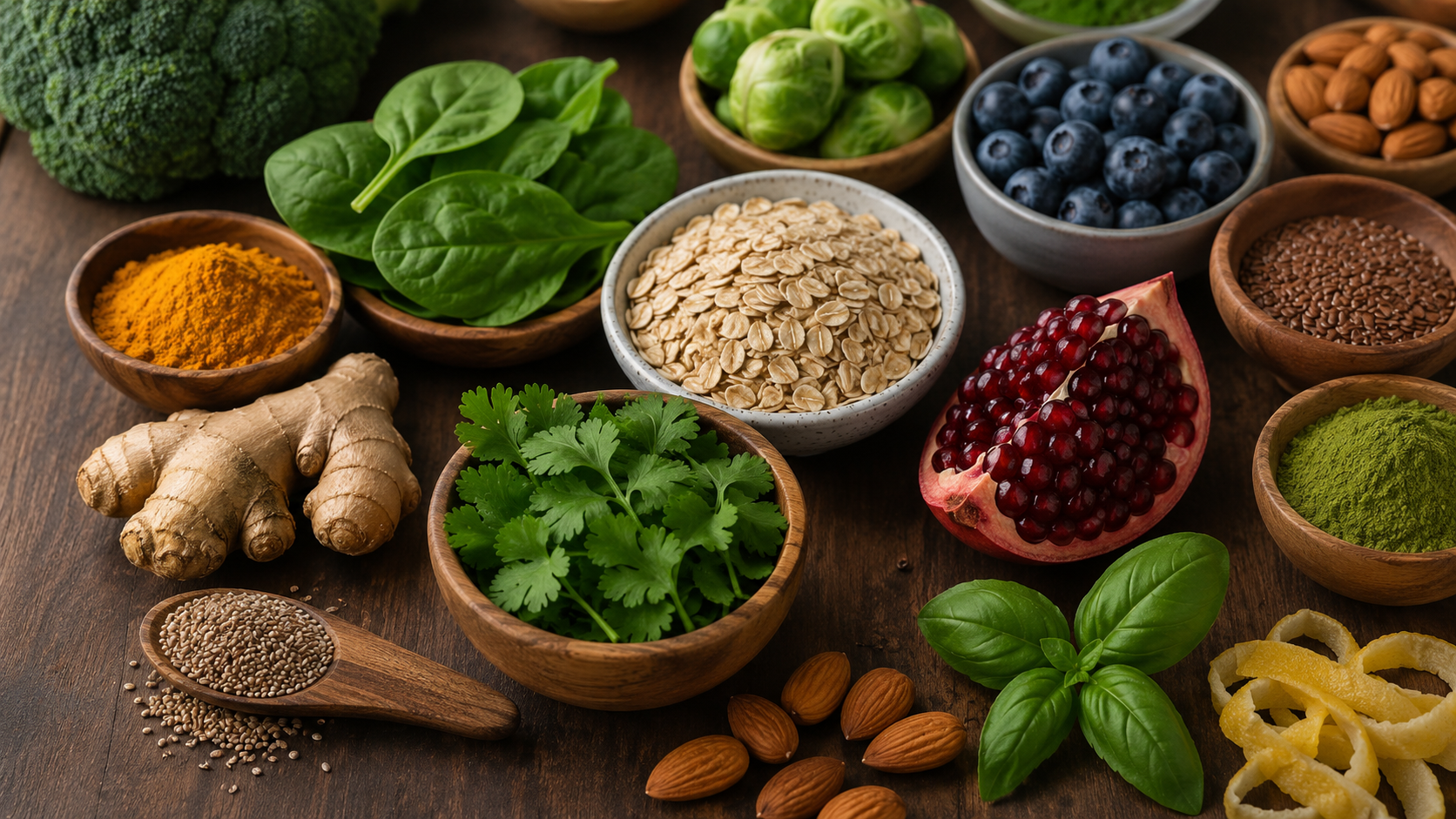
Discover the truth behind superfoods and whether they truly deserve the hype
1. It Limits Variety
You could find yourself eating the same few foods and not getting the other nutrients.
2. It Sets Up Unrealistic Expectations
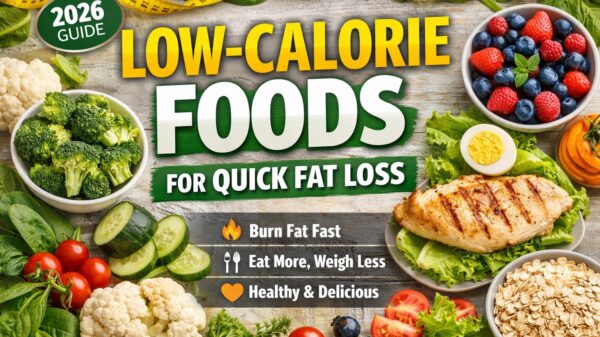
People look for immediate results, such as losing weight, and that is not the way nutrition functions. If weight management is your goal, a smarter approach is focusing on low-calorie foods for fat loss rather than chasing superfood trends.
3. It’s Expensive!
Some of the popular trendy superfoods are more expensive, although local foods can be equally nutritious.
The Blueberry Example
The antioxidant properties of blueberries caught on, and they became extremely popular. It was a popular health food. In their good health days, the popular coverage of these gave people the impression that they would protect them from major diseases alone, which is not true. From this, one can see how much the good food can be hyped.
Look for a “Super Plate”
What is a Super Plate?
A super plate is a balanced meal with a mixture of foods:
- Fruits and vegetables
- Whole grains (e.g., oats)
- Fats that are good for your health, such as almonds and flaxseed
- Protein sources
Why This Works Better
- You obtain a variety of nutrients.
- Food remains interesting and enjoyable!
- It promotes long-term health, rather than quick fixes.
Smart Way to Use Superfoods
There is no need to eliminate the superfoods from your diet; only use them properly.
Do This
- Eat blueberries for breakfast!
- Cook with turmeric.
- Sprinkle flax seeds on yogurt or oats.
- Drink matcha occasionally.
But remember: It must be a part of your diet, rather than its sole focus.
Balance Over Hype
It is not through one or two foods that health is achieved. It’s consistent, balanced, and varied. Instead of asking: “What’s the best superfood to take?” ask: “What do I need to change my diet to make it healthier?” The little adjustment goes a long way. As the Mayo Clinic suggests, an anti-inflammatory, varied diet is far more effective than any single “super” ingredient.
Final Thoughts
The only thing about superfoods is that they’re not magic. They can create more of a “buzz” than they actually do for your health. Yes, add pomegranate, oats, almonds, and turmeric to your diet, but not as the only ingredients. The key to good health is actually simple: eat a variety of whole, balanced foods on a regular basis. For a complete roadmap on building healthy habits, explore this ultimate guide to a healthy diet and nutrition. That’s your real “superpower.”
Frequently Asked Questions(FAQs)
Yes, many so-called superfoods are healthy because they contain vitamins, minerals, fiber, and antioxidants. However, no single food can magically improve your health on its own.
No. “Superfood” is mostly a marketing term used to promote foods with high nutritional value. There is no official scientific definition for it.
Some superfoods may support weight loss as part of a balanced diet because they are nutrient-dense and filling. But they cannot cause instant weight loss by themselves.
Not at all. Many affordable everyday foods like oats, lentils, bananas, spinach, and local fruits can provide similar health benefits.