



















When it comes to healthy eating, one term you will hear again and again is macronutrients, often shortened to macros. These are the essential nutrients your body needs in large amounts to function properly, stay energized, and maintain overall health. Every food you eat is made up of a combination of three primary macronutrients: carbohydrates, proteins, and fats.
Unlike vitamins and minerals (micronutrients), macros are required in bigger quantities because they provide energy, measured in calories. But they do much more than just fuel your body, they support everything from brain function to muscle repair.
In this article , we will break down each macronutrient in a simple, way so you can understand how they work and how to include them in your daily diet.

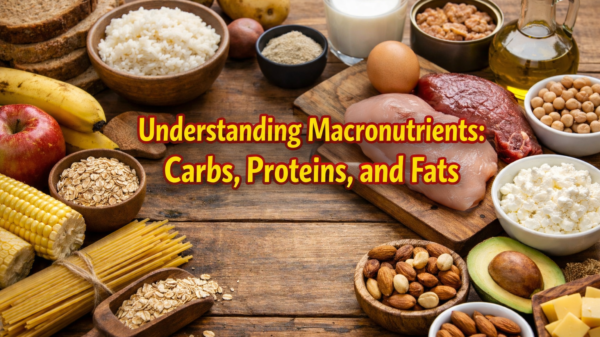
A simple visual guide to carbohydrates, proteins, and fats for a balanced and healthy diet.
What Are Macronutrients?
Macronutrients are nutrients that your body needs in large amounts to perform basic functions. They are:
- Carbohydrates (Carbs)
- Proteins
- Fats
Each macronutrient plays a unique role in keeping your body healthy and energized. While all three are important, the right balance depends on your lifestyle, goals, and body needs.
Carbohydrates: Your Body’s Main Energy Source
Carbohydrates are often misunderstood, but they are actually your body’s preferred source of energy. When you eat carbs, your body breaks them down into glucose (a type of sugar), which is used to fuel your brain, muscles, and daily activities.
Why Carbs Are Important
- Provide quick and efficient energy
- Support brain function
- Help fuel workouts and physical activity
- Contain fibre (in some types), which aids digestion
Your brain especially relies heavily on carbohydrates to function properly, which is why cutting carbs too drastically can sometimes lead to fatigue and poor concentration.
Types of Carbohydrates
Not all carbs are created equal. Some are healthier than others:
Healthy (Complex) Carbs
- Whole grains (like oats, brown rice, quinoa)
- Whole-wheat pasta and bread
- Beans and legumes
- Fruits
- Vegetables (especially starchy ones like potatoes and corn)
- Dairy products
Less Healthy (Simple) Carbs
- Sugary drinks
- Processed snacks
- White bread and pastries
Calories from Carbs
Each gram of carbohydrates provides 4 calories.
Recommended Intake
It is generally recommended that 45% to 65% of your daily calorie intake comes from carbohydrates.
Proteins: The Building Blocks of Your Body
Protein is essential for growth, repair, and maintenance of your body. Every cell in your body contains protein, making it a vital nutrient for overall health.
Proteins are made up of smaller units called amino acids, which help build and repair tissues, including muscles, skin, and organs.
Why Protein Matters
- Builds and repairs muscles
- Supports immune function
- Helps maintain healthy skin, hair, and nails
- Keeps you feeling full and satisfied
- Aids in hormone and enzyme production
If you’re trying to lose weight or build muscle, protein becomes even more important because it helps control hunger and supports lean body mass.
Good Sources of Protein
- Fish
- Eggs
- Chicken and other poultry
- Lean beef
- Tofu and plant-based proteins
- Nuts and seeds
- Dairy products (milk, yogurt, cheese)
Calories from Protein
Each gram of protein provides 4 calories.
Recommended Intake
Experts suggest getting 10% to 35% of your daily calories from protein.
Fats: Essential for Health and Hormones
Fats often get a bad reputation, but they are a crucial part of a healthy diet. In fact, your body needs fat to function properly.
Fats are made up of fatty acids and play an important role in supporting cell function, protecting organs, and helping your body absorb certain vitamins.
Why Fats Are Important
- Support cell structure and function
- Help produce hormones
- Protect and insulate vital organs
- Aid in the absorption of vitamins A, D, E, and K
- Provide long-lasting energy
Types of Fats
Healthy Fats (Unsaturated Fats)
- Olive oil
- Avocados
- Nuts (like almonds, peanuts, pistachios)
- Seeds
- Fatty fish (like salmon and mackerel)
Less Healthy Fats (S.aturated & Trans Fats)
- Processed foods
- Fried foods
- Excess fatty meats
- High-fat dairy products
- Calories from Fat
Each gram of fat provides 9 calories, making it the most calorie-dense macronutrient.
Recommended Intake
Fats should make up about 20% to 35% of your daily calories. Saturated fats should be limited to less than 10%.
Why Balance Matters
Most foods contain a mix of all three macronutrients. For example, milk contains carbs, protein, and fat. That’s why it is important not to focus on just one macro but instead aim for a balanced diet.
Key Reasons to Balance Your Macros
- Supports overall health
- Maintains energy levels
- Helps achieve fitness goals
- Prevents nutrient deficiencies
- Improves digestion and metabolism
A well-balanced diet ensures that your body gets everything it needs to function efficiently.
How Much Do You Really Need?
There is no one-size-fits-all answer when it comes to macronutrients. Your ideal balance depends on several factors:
- Age and gender
- Body weight and size
- Activity level
- Health conditions
- Fitness goals (weight loss, muscle gain, maintenance)
For example:
- Athletes may need more protein and carbs
- Someone trying to lose weight might adjust their fat and carb intake
- Sedentary individuals may require fewer calories overall
If you have specific health concerns, it’s always a good idea to consult a healthcare professional or nutritionist.
Tips to Balance Your Macronutrients
Here are some practical tips to help you manage your macros effectively:
1. Choose Whole Foods
Focus on natural, unprocessed foods as much as possible.
2. Include Protein in Every Meal
This helps with satiety and muscle maintenance.
3. Don’t Fear Healthy Fats
Incorporate sources like nuts, seeds, and olive oil.
4. Prioritize Complex Carbs
Opt for fibre-rich foods like whole grains and vegetables.
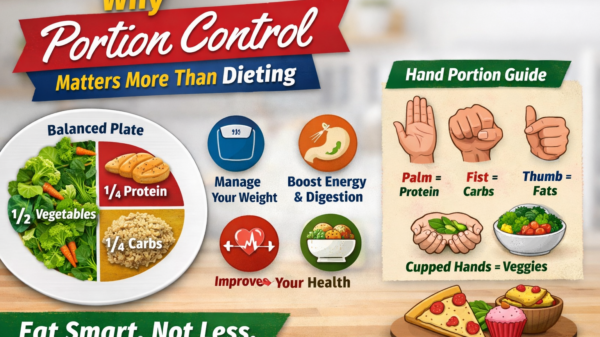
5. Watch Portion Sizes
Even healthy foods can lead to weight gain if eaten in excess.
6. Stay Hydrated
Water supports digestion and overall metabolism.
Conclusion
Macronutrients are the foundation of a healthy diet. Carbohydrates fuel your body, proteins build and repair tissues, and fats support essential functions like hormone production and nutrient absorption.
Instead of eliminating any one macronutrient, the key is to maintain a healthy balance based on your individual needs. By choosing nutritious foods and understanding how macros work, you can improve your energy, health, and overall well-being.
Frequently Asked Questions (FAQs)
Macronutrients are nutrients your body needs in large amounts, carbohydrates, proteins, and fats, that provide energy and support essential functions.
No, carbs are not bad. The key is choosing healthy carbs like whole grains and avoiding processed sugars. Portion control also matters.
It depends on your body and activity level, but generally, protein should make up 10% to 35% of your daily calorie intake.
Not at all. Healthy fats are essential for your body. Just limit unhealthy fats like trans fats and excessive saturated fats.
Yes! In fact, balanced meals that include carbs, protein, and fats are ideal for steady energy and better nutrition.
You may experience fatigue, muscle loss, poor concentration, and other health issues. Balance is important for proper body function.
Yes, your needs can change based on age, lifestyle, health goals, and physical activity levels.
Read More: Click Here