











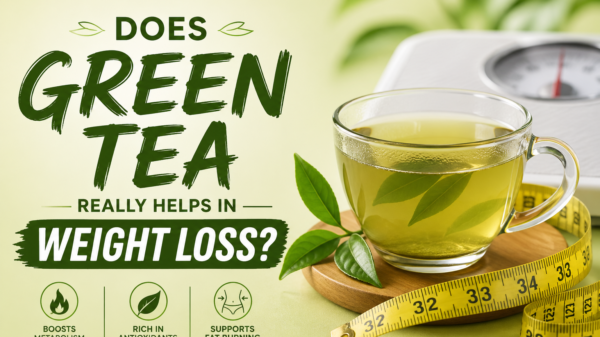





When it comes to losing weight, people are often drawn to easy and natural options. One popular choice is green tea, which is often known as a “fat-burning drink.” Because of this many individuals add it to their daily routine, hoping it will help them shed weight more quickly and with less effort.
But how true is this belief? Might green tea genuinely assist with weight loss, or could it be considered an overrated trend?
Let’s break it down in a realistic and practical way.
Green tea can support weight loss when combined with a healthy diet and exercise.
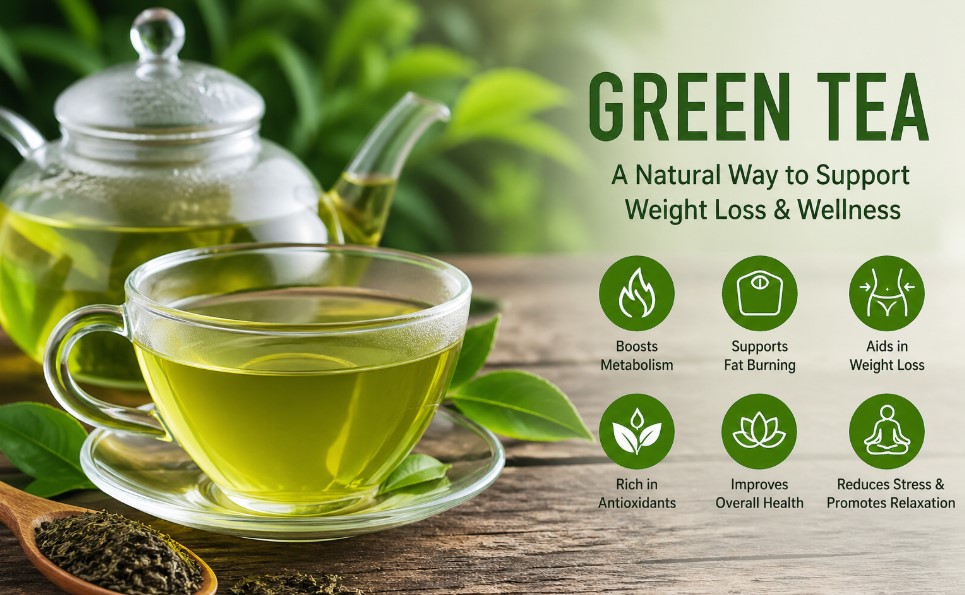
Is Green Tea Enough for Weight Loss?
Green tea is usually considered a shortcut to weight loss, but the truth is much more balanced. While it does offer certain benefits that may support fat loss, it is not powerful enough to work on its own.
If your lifestyle habits don’t align with your goals, green tea alone won’t yield significant results.
A Healthy Diet Still Comes First
No matter how many cups of green tea you drink, it cannot compensate for poor eating habits. If your daily diet includes excessive sugar, fried foods, or overeating, weight loss becomes difficult.
The foundation of any successful weight loss journey is a balanced and calorie-controlled diet. Green tea can support your efforts, but it cannot replace discipline in eating.
Physical Activity is Essential
Exercise remains the most important factor when it comes to burning fat. Activities like walking, home workouts, or even light exercise routines can significantly impact your results.
Green tea may give a slight boost, but it works best when your body is already active. Without movement, the effect becomes minimal.
Sleep and Stress Play a Hidden Role
Many people overlook how sleep and stress influence weight. Poor sleep and high stress levels can slow down your progress, no matter how healthy your diet is.
Your body needs proper rest to function efficiently. Managing stress also helps regulate eating habits and energy levels.
Hydration Can Make a Difference
Replacing high-calorie drinks like sodas or sugary juices with green tea is a smart move. It reduces unnecessary calorie intake and keeps you hydrated.
Sometimes, weight gain is not just about food; it’s also about what you drink throughout the day.
How Green Tea Supports Weight Loss
Green tea does not directly melt fat, but it helps your body function in a way that supports weight management over time.
Boosts Metabolism Slightly
Green tea can, somehow, affect how well your body absorbs certain nutrients, especially iron. If you are already not getting enough key nutrients from your diet, this might become a problem over time.
Encourages Fat Burning
It may also support the body’s ability to use stored fat as energy, especially during physical activity. This is why people often prefer drinking it before workouts.
Helps Control Appetite
For some individuals, green tea can reduce unnecessary cravings. It creates a mild feeling of fullness, which may help prevent overeating.
However, this effect varies from person to person.
Supports Overall Wellness
Green tea is not just about weight loss; it also promotes general health. When your body is functioning well, it becomes easier to maintain a healthy weight.
Potential Side Effects and Safety Considerations
Although green tea is generally safe, consuming too much of it can lead to unwanted effects.
Caffeine-Related Issues
Green tea contains caffeine, which may cause the following:
- Difficulty sleeping
- Anxiety or restlessness
- Increased heart rate
- Mild rise in blood pressure
If you are sensitive to caffeine, even small amounts can affect you.
Stomach Discomfort
Drinking green tea on an empty stomach may lead to:
- Nausea
- Stomach irritation
This condition is more common in people with sensitive digestion.
Impact on Nutrient Absorption
Green tea may interfere with the absorption of certain nutrients, especially iron. If your diet is already low in essential nutrients, this could become a concern.
Risks of Overconsumption
Drinking it in normal amounts is usually safe, but taking too much, especially in the form of supplements, may put extra pressure on the liver. That’s why it is important not to overdo it.
Having freshly brewed green tea in moderate amounts is generally safe for most people.
Who Should Be More Careful?
Some individuals need to be more mindful when consuming green tea:
- People with liver-related issues
- Those taking regular medications
- Individuals sensitive to caffeine
- Pregnant or breastfeeding women
- People with iron deficiency
If you fall into any of these categories, it’s better to consult a healthcare professional before making green tea a daily habit.
Best Way to Use Green Tea for Weight Loss
If you plan to add green tea to your daily routine, using it properly can actually make a noticeable difference.
How Much to Drink
Drinking around 3–4 cups per day is usually considered a moderate and safe amount.
Best Time to Drink
- Morning (after breakfast)
- Before or after workouts
- Between meals
Avoid drinking it late at night, as it may affect your sleep.
How to Prepare It Properly
- Use warm water, not boiling hot
- Let it steep for a few minutes
- Avoid adding sugar
You can add a slice of lemon if you prefer a refreshing taste.
Conclusion
Green tea can be a useful part of your weight loss routine, but it is not a quick fix or miracle drink. Its impact is usually small and works better when paired with healthy daily habits.
In reality, lasting weight loss depends more on a balanced diet, regular exercise, proper sleep, and good hydration, which remain the real drivers of weight loss.
Instead of relying on green tea alone, consider it a supportive habit. When used consistently alongside other healthy choices, it can contribute to better results over time.
Frequently Asked Questions (FAQs)
Green tea alone does not lead to significant weight loss. Any noticeable results usually arise from combining diet and exercise.
It is not recommended for everyone, as it may cause stomach discomfort. It’s better to drink it after meals.
Yes, in moderate amounts. Around 2–4 cups daily is generally safe for most people.
No, it does not target specific areas. Fat loss happens throughout the body with consistent effort.
No, water should remain your primary source of hydration. Green tea can be an addition, not a replacement.
Read More: Click Here